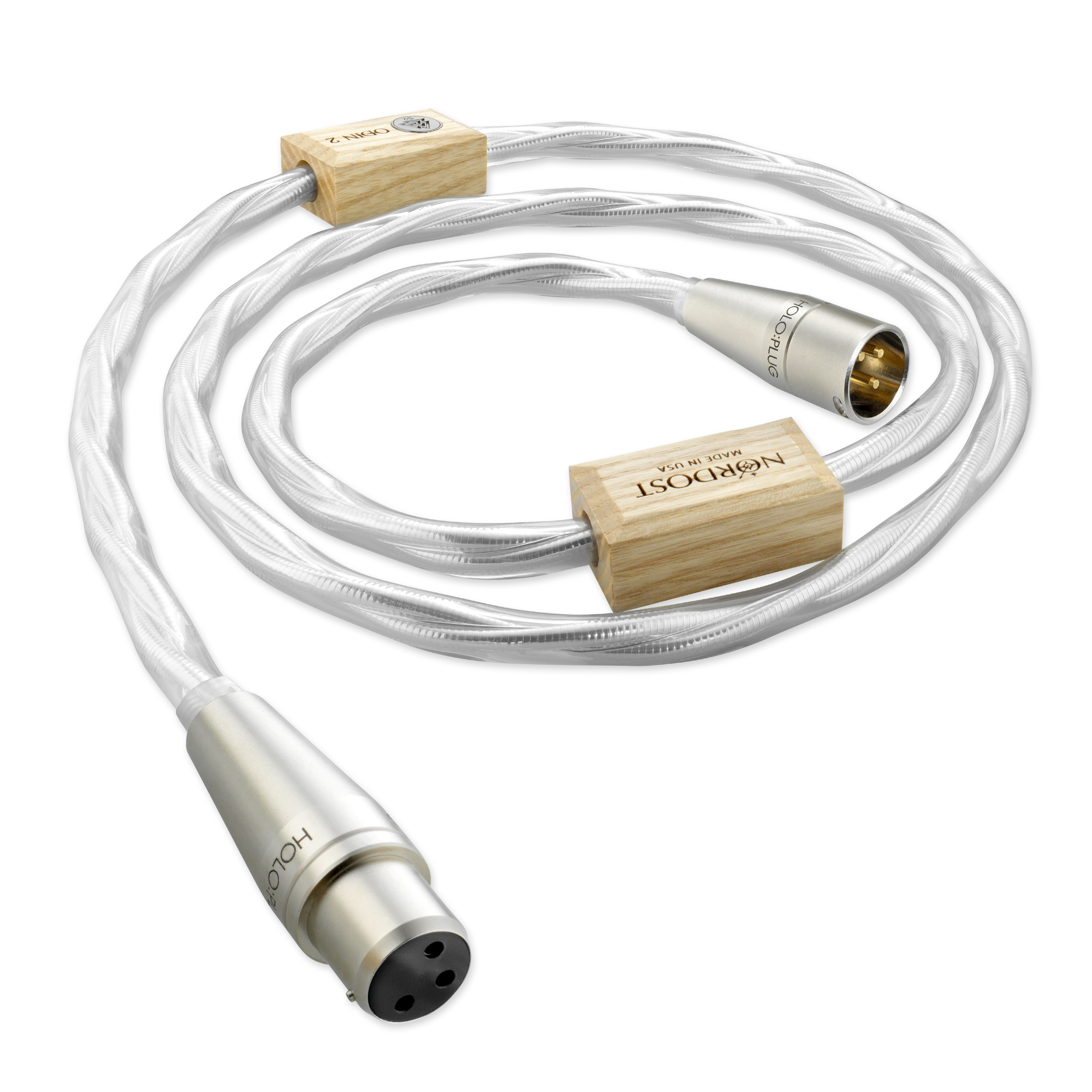
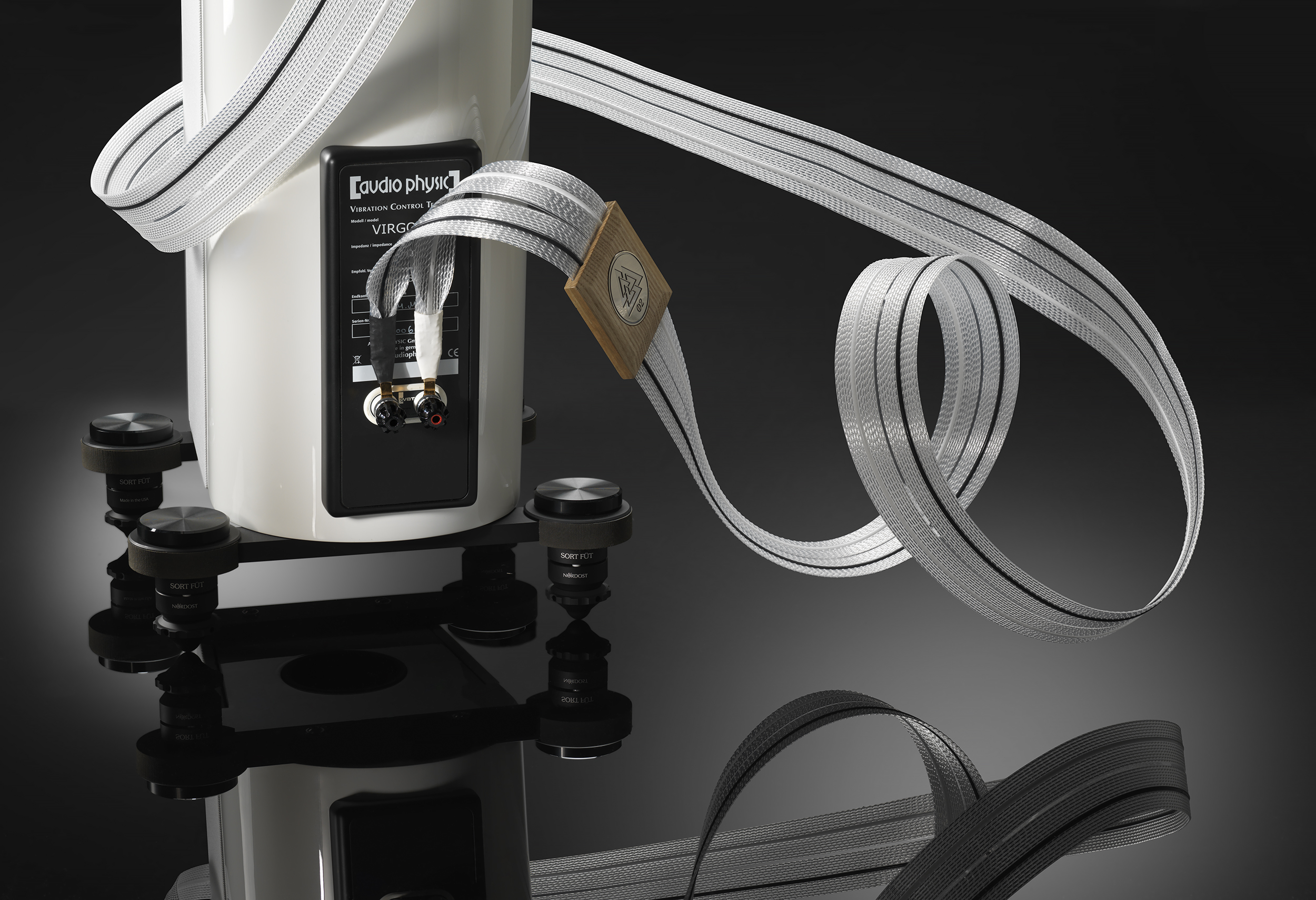
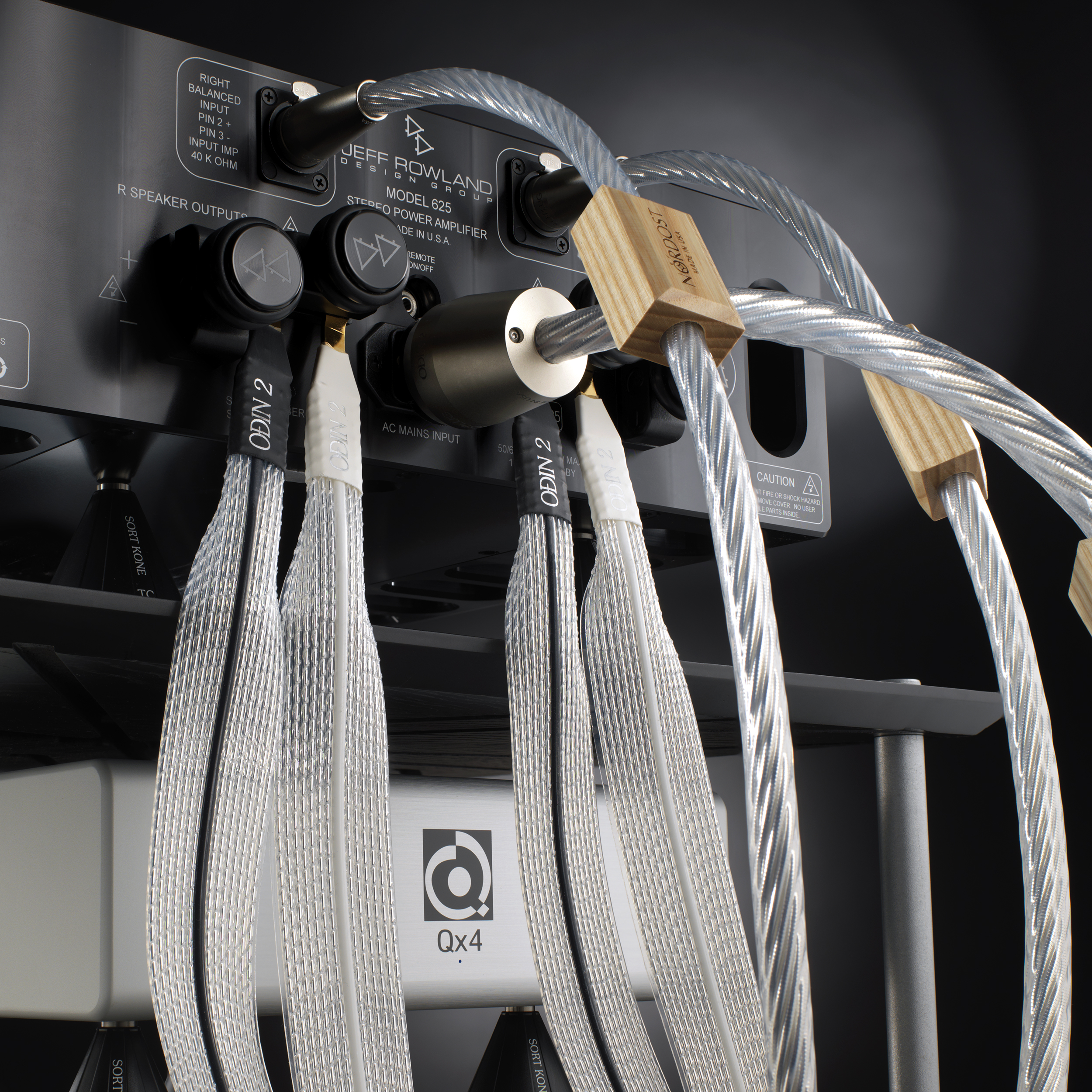
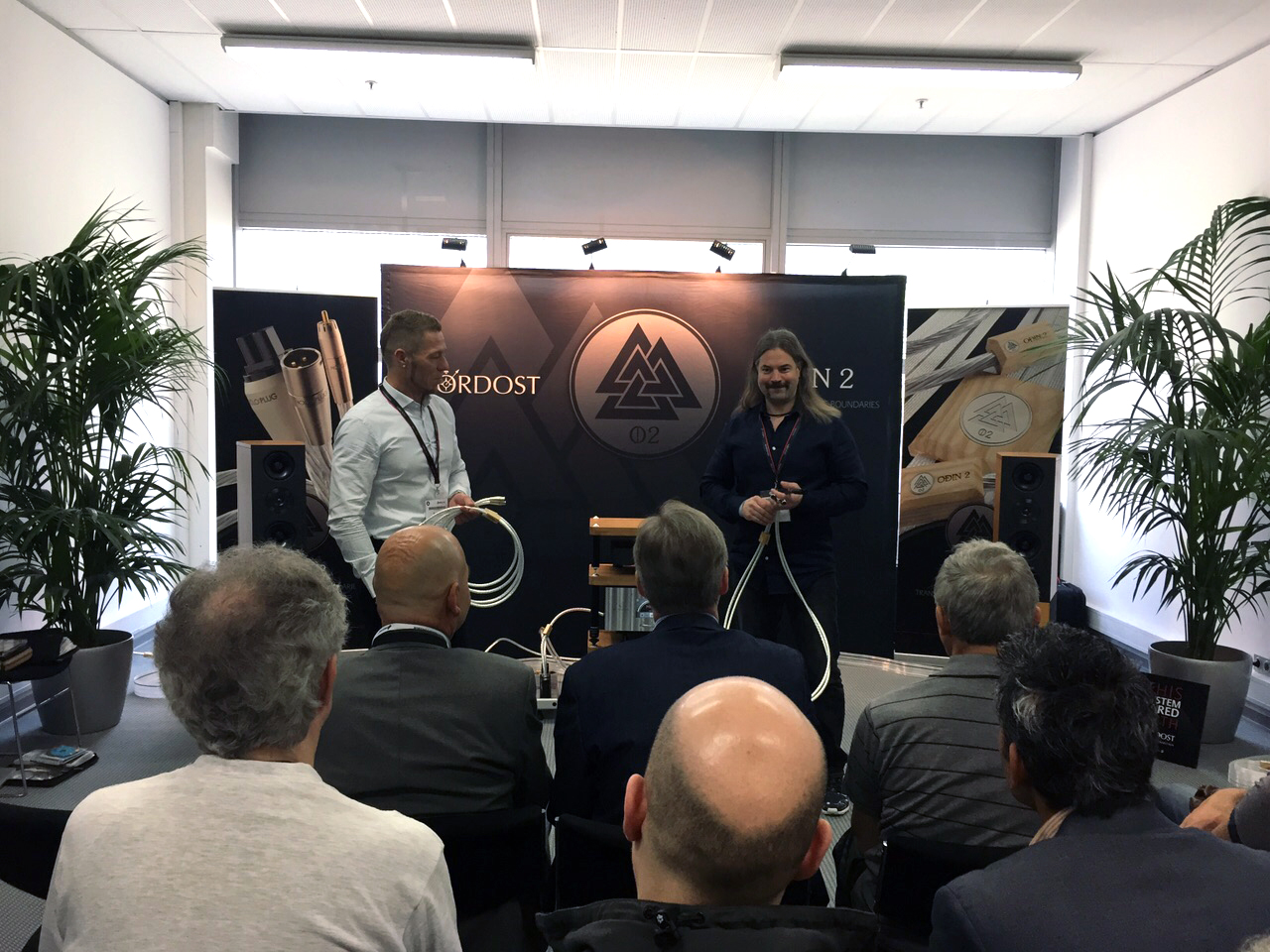
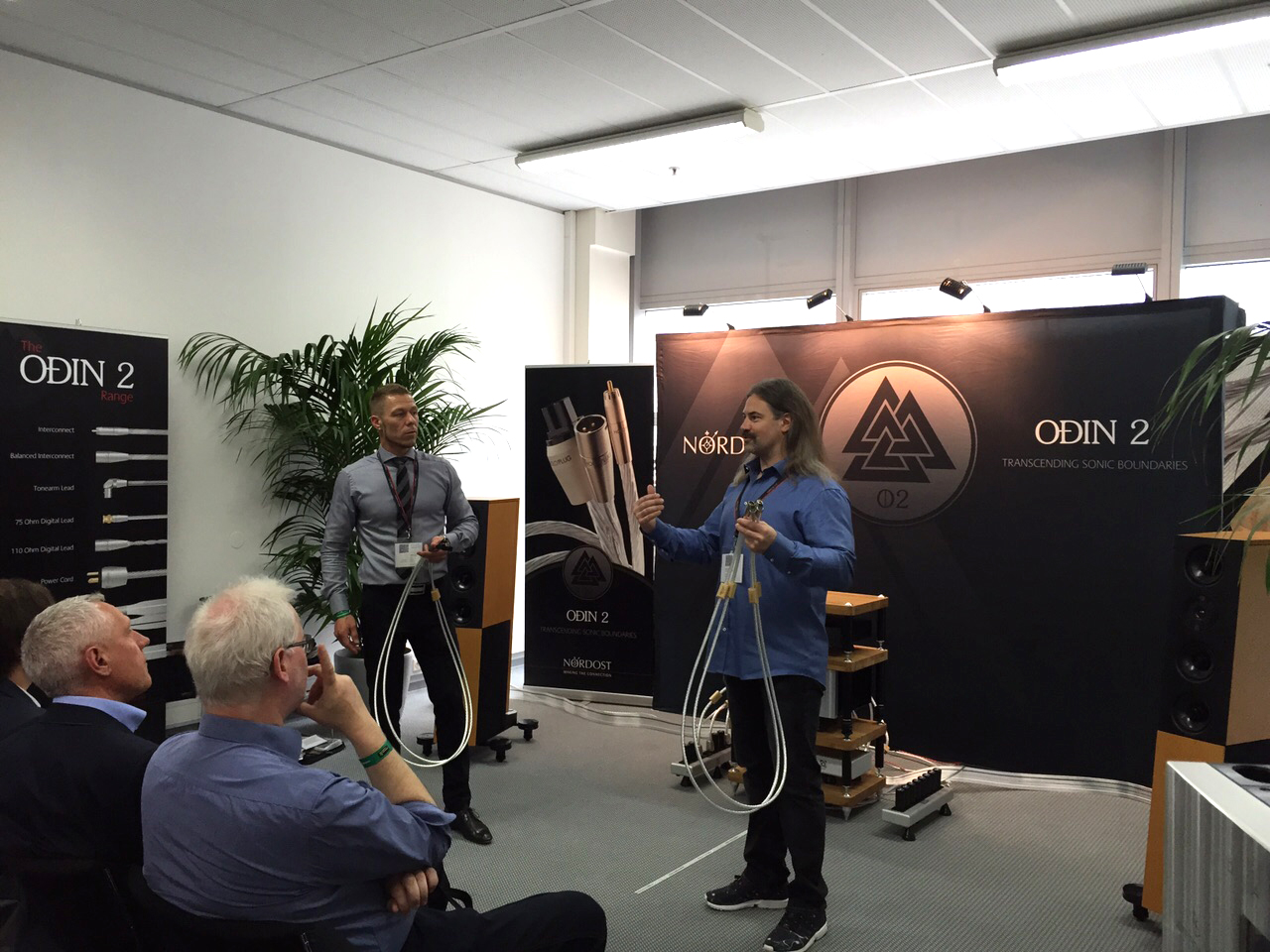
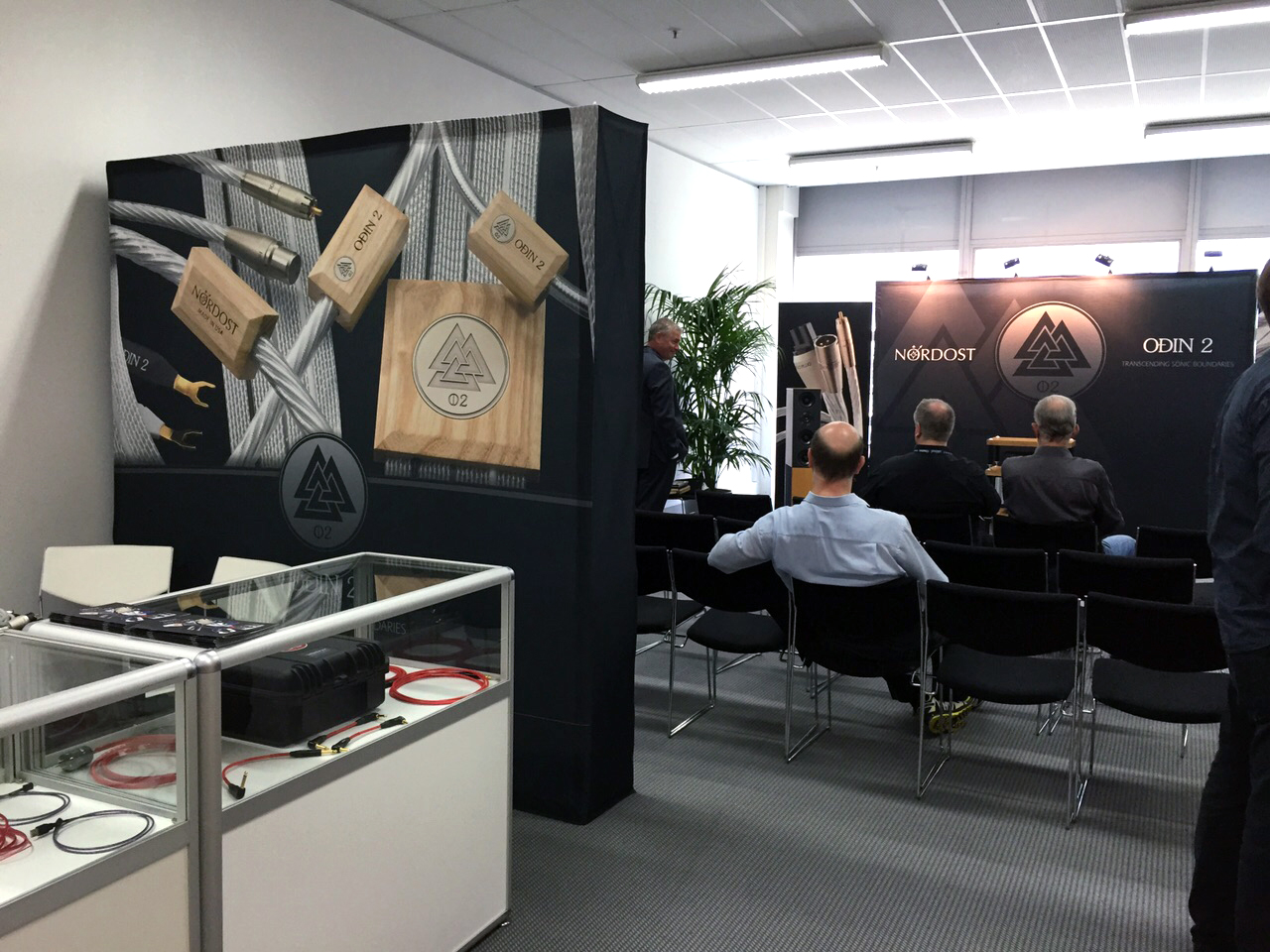
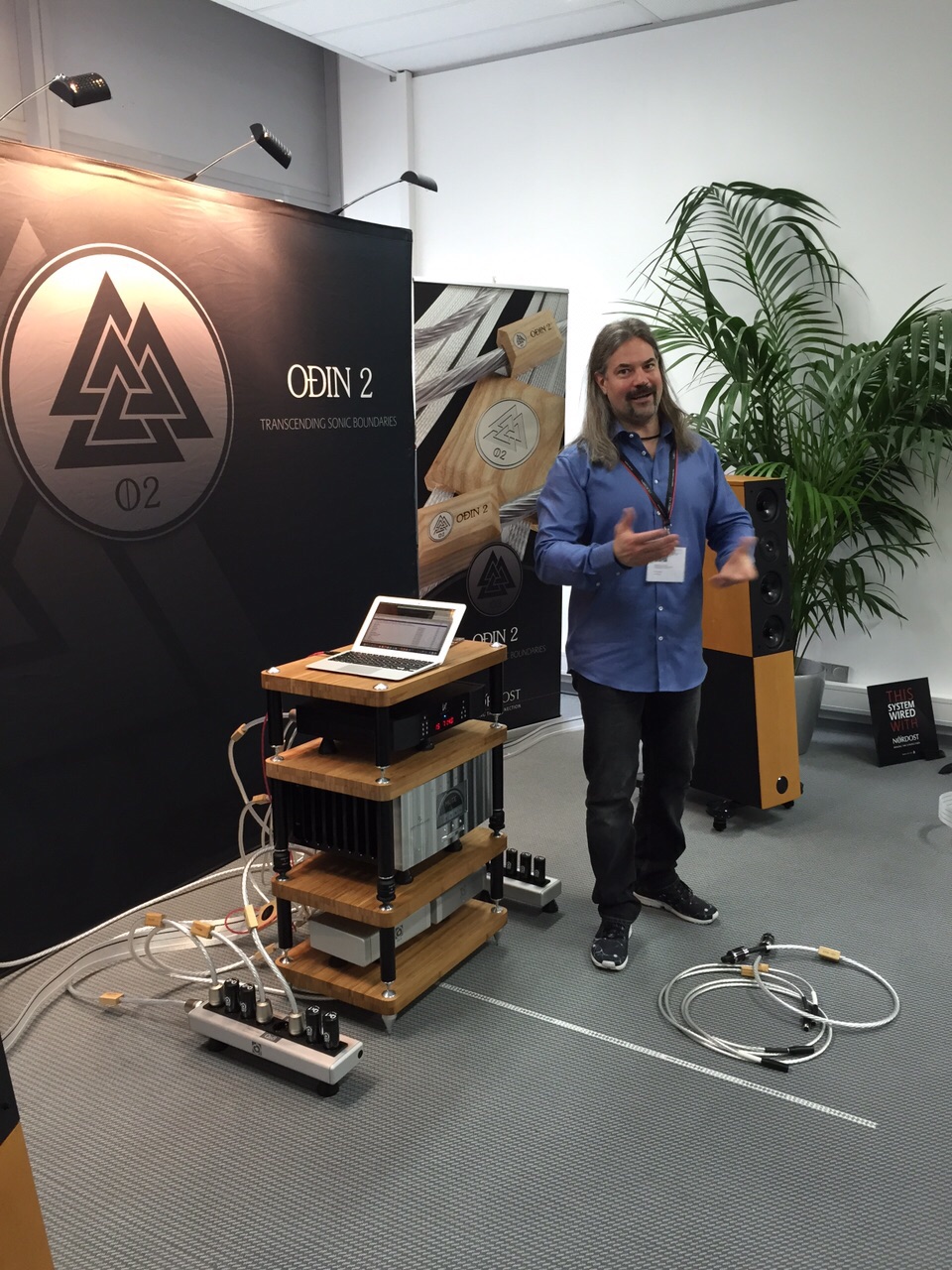
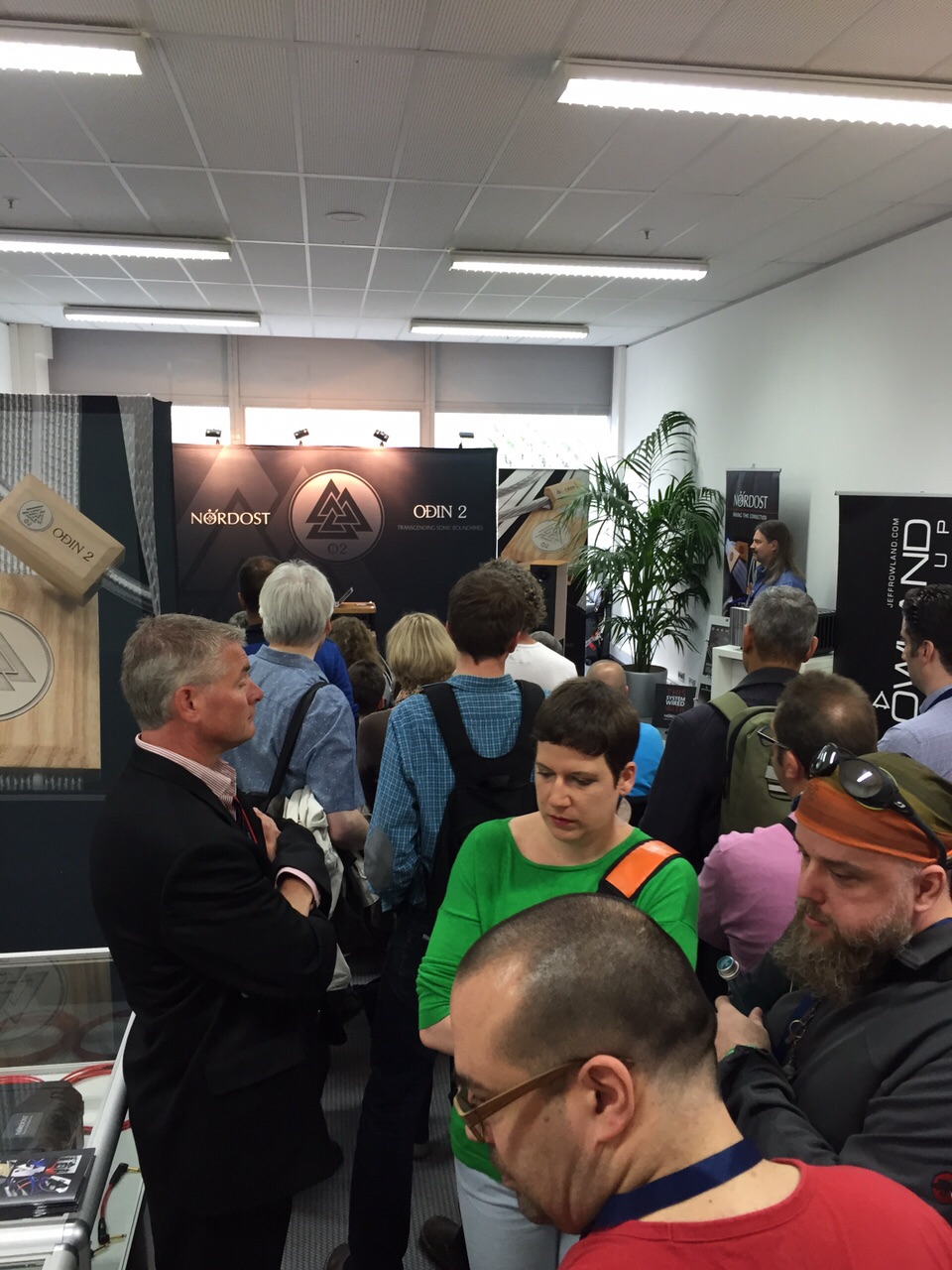
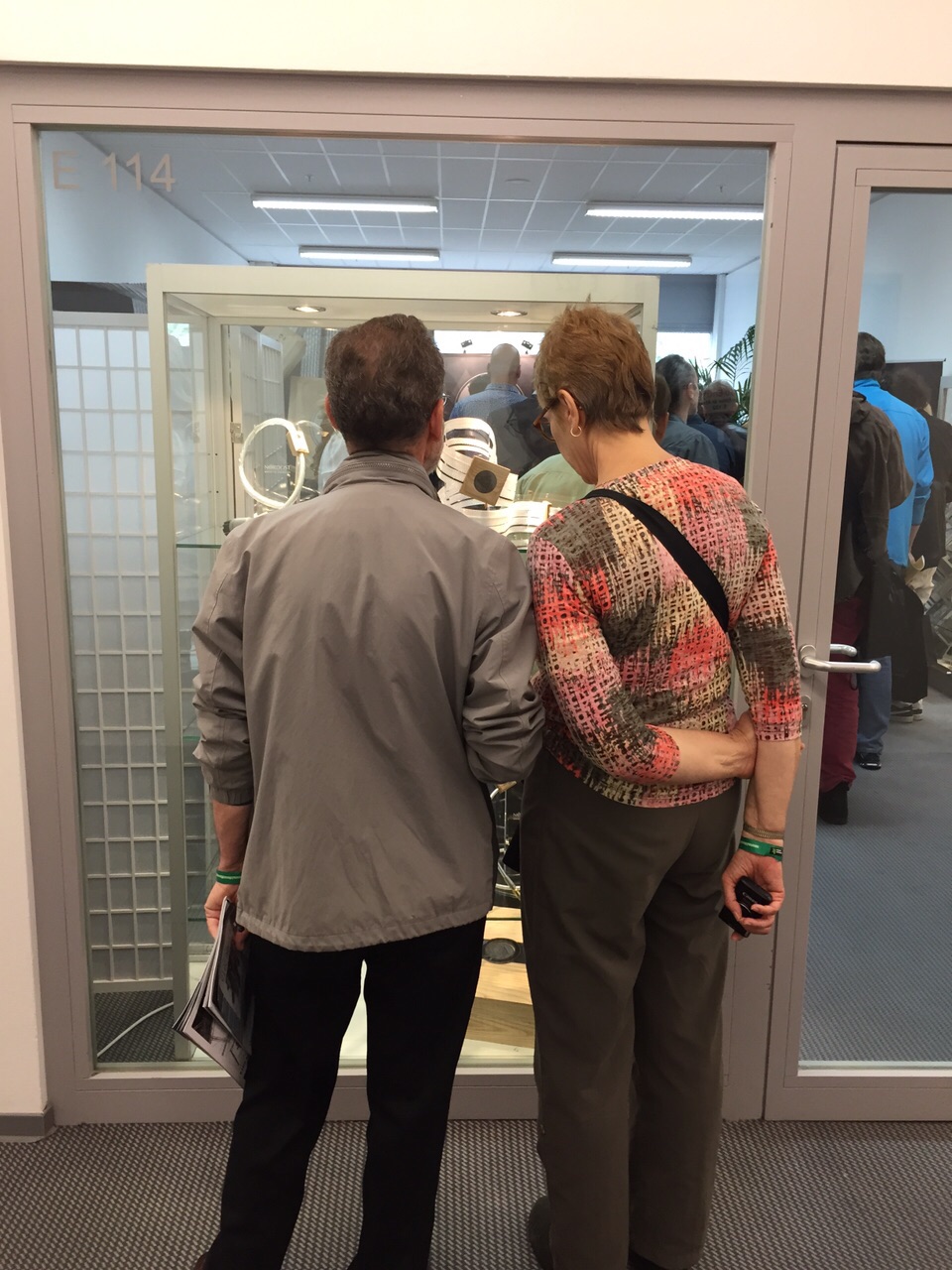
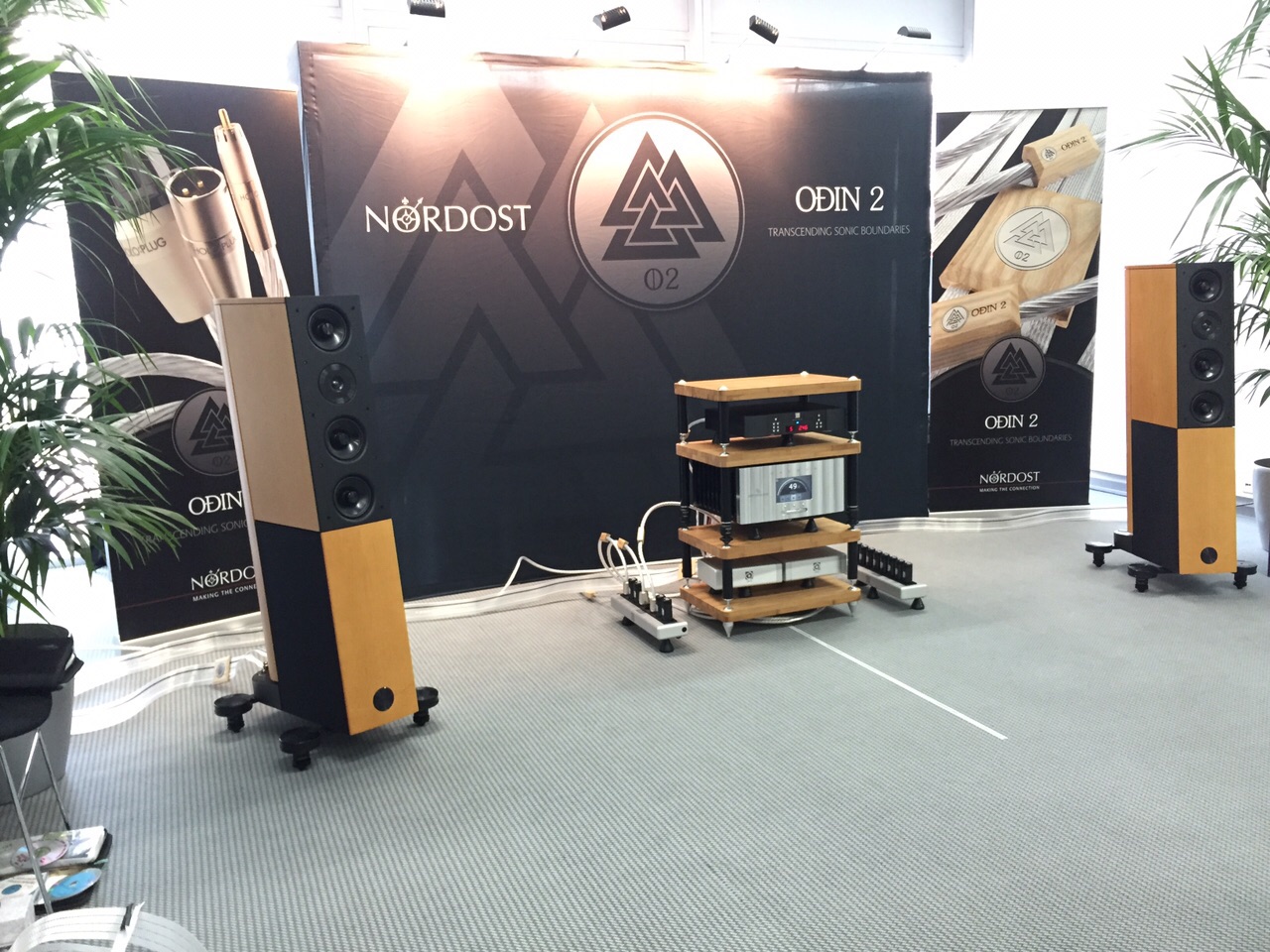
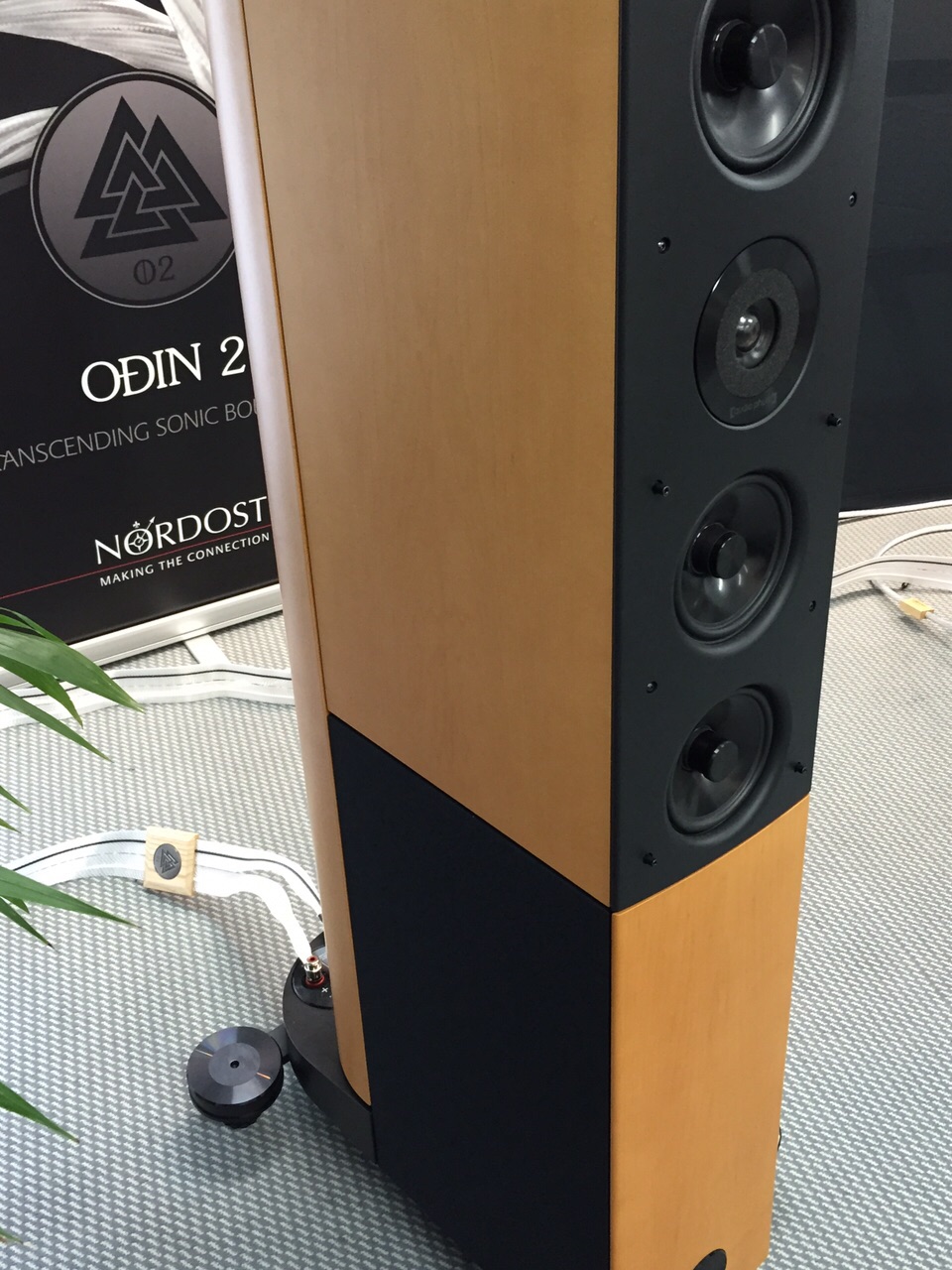
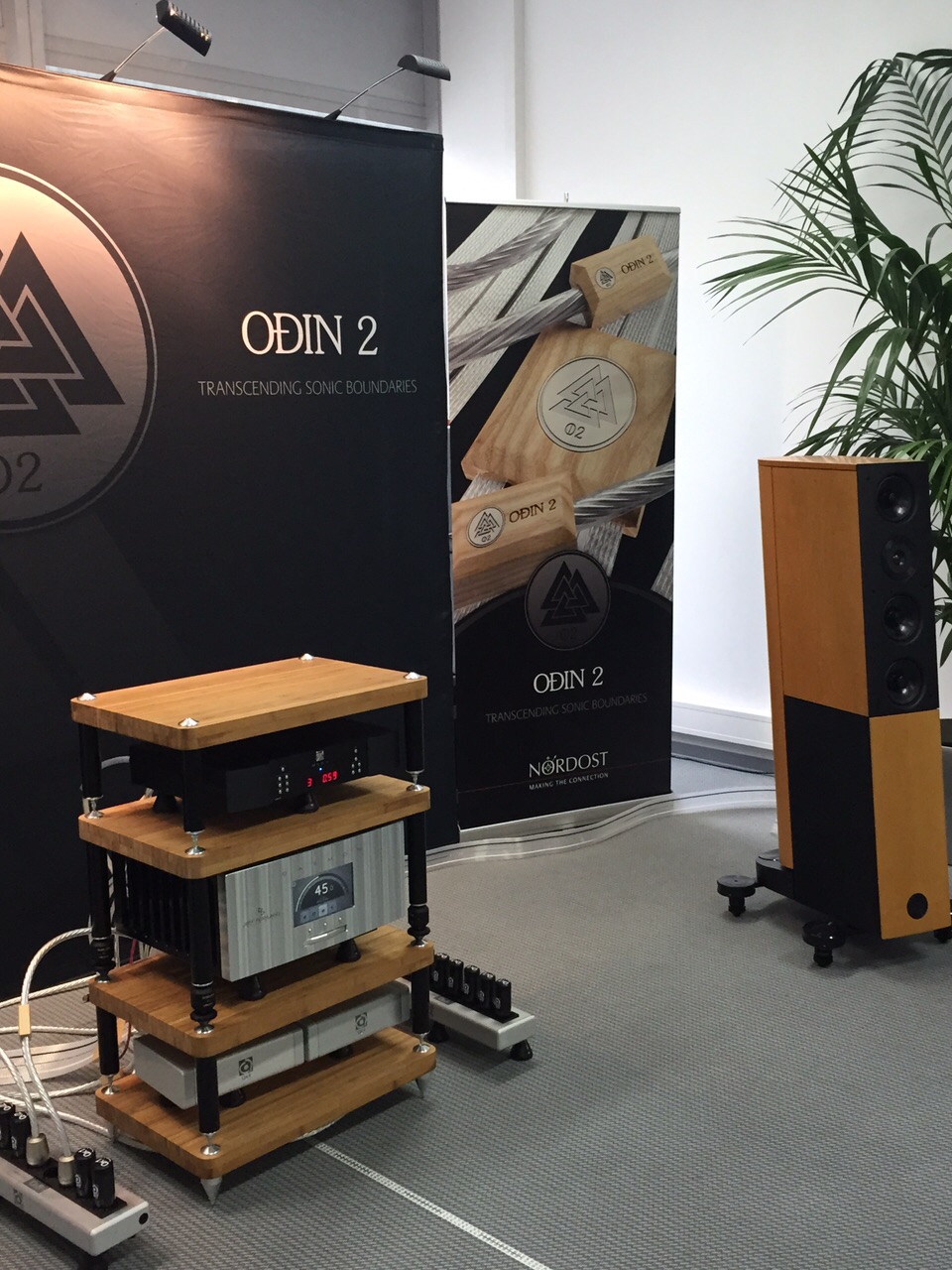
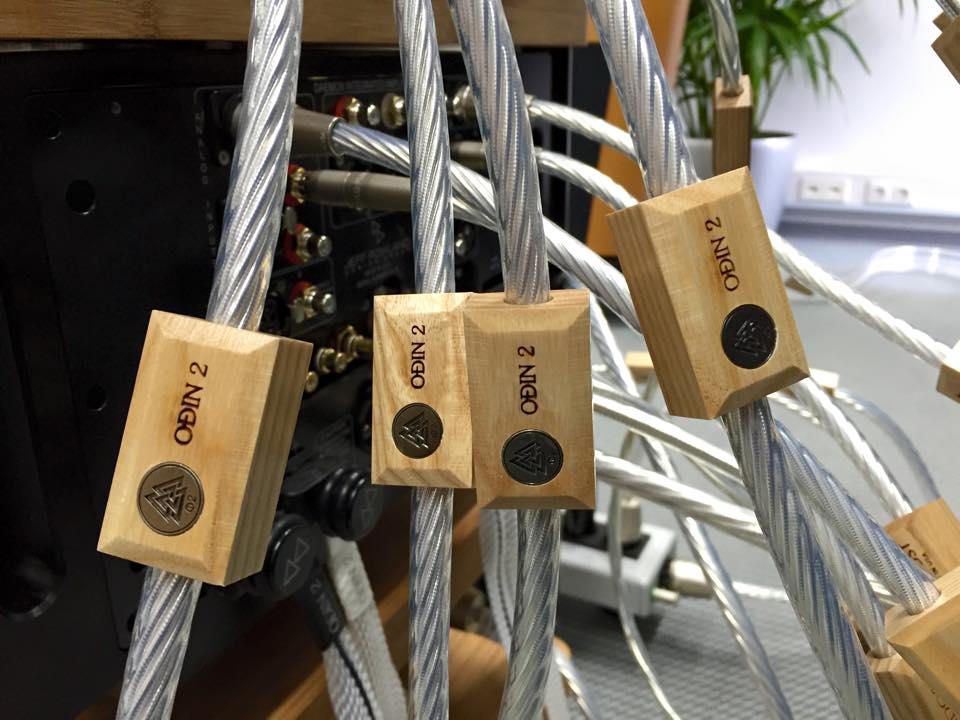
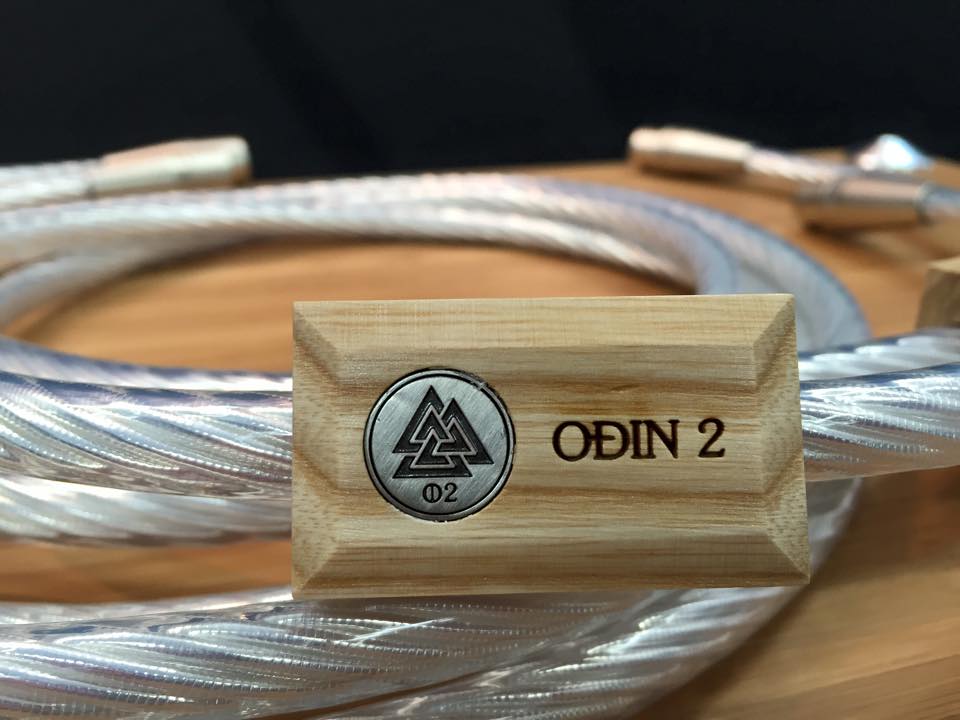
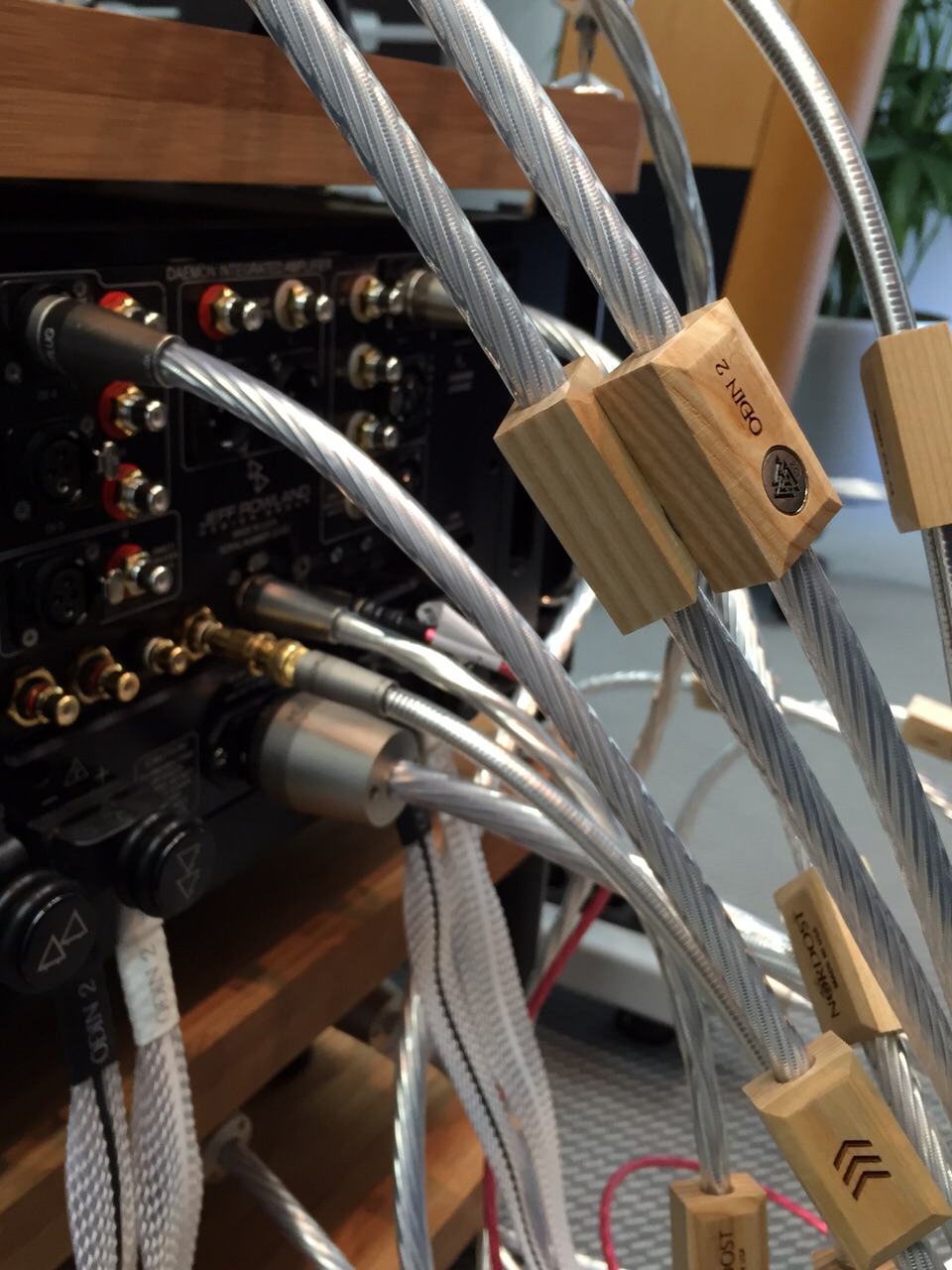
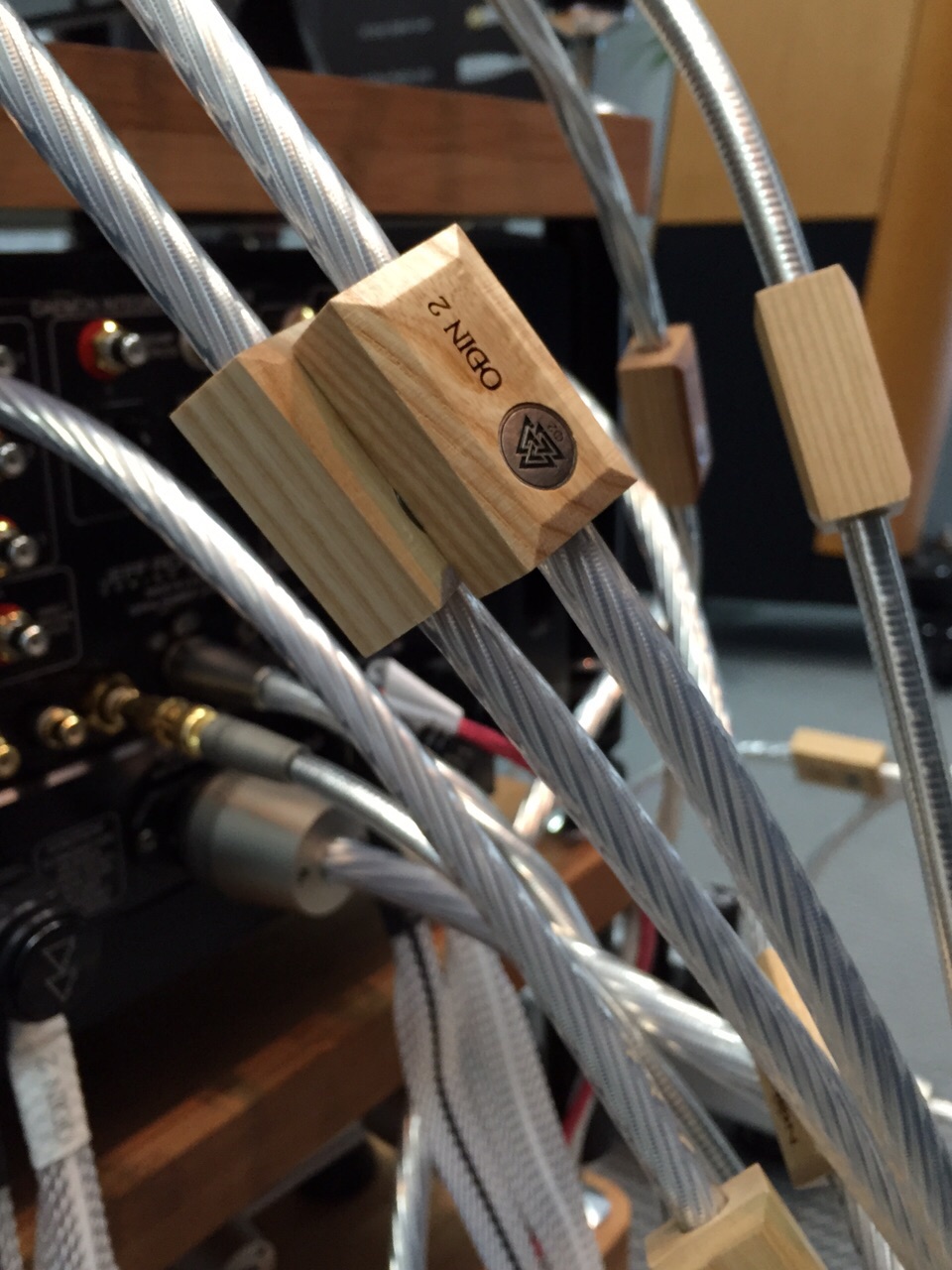
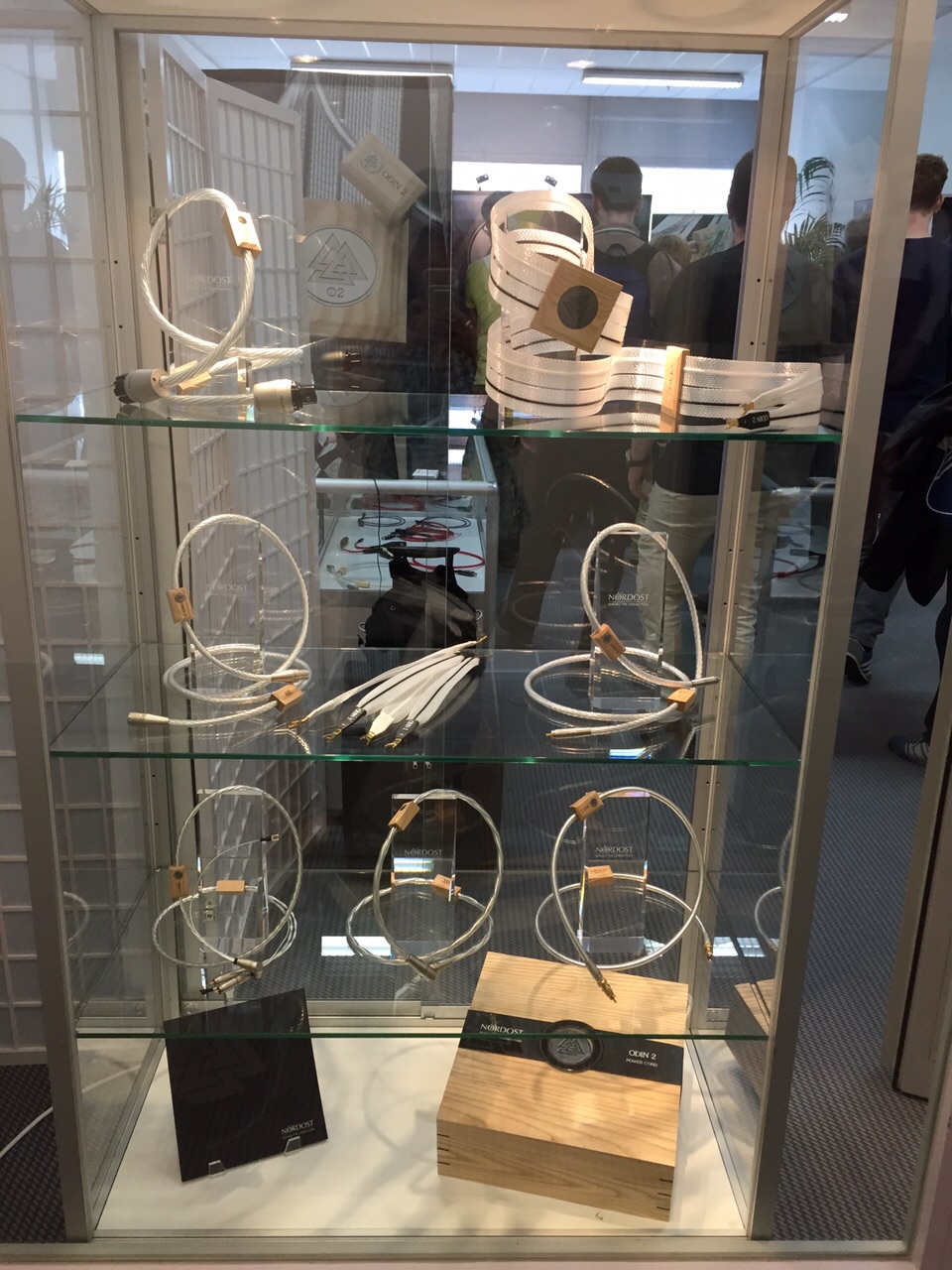
Nordost’s launch of Odin 2 in Munich earlier this month was a resounding success. We are tremendously proud of these cables, so naturally we had an amazing time sharing them with the crowd at the MOC.
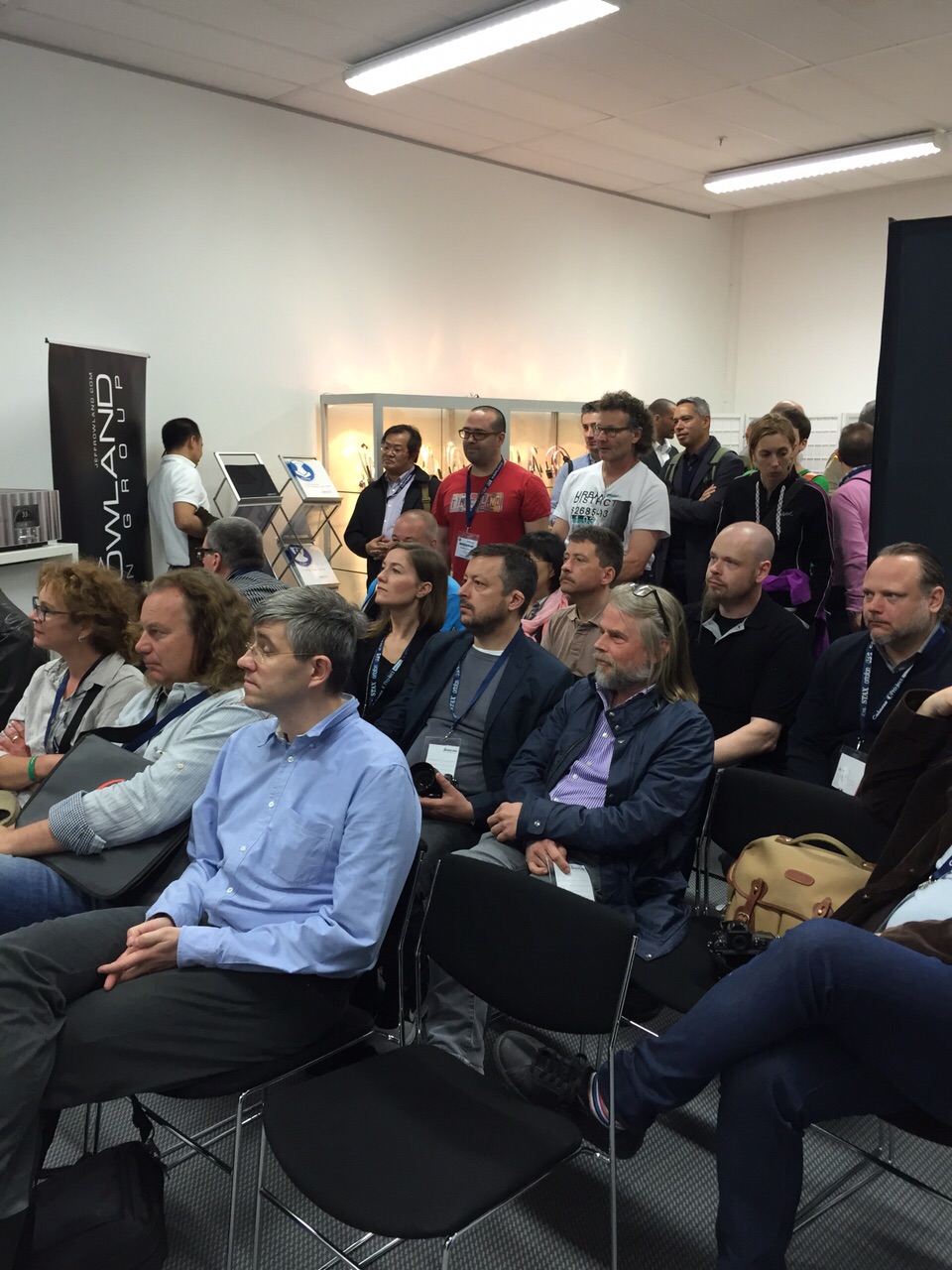
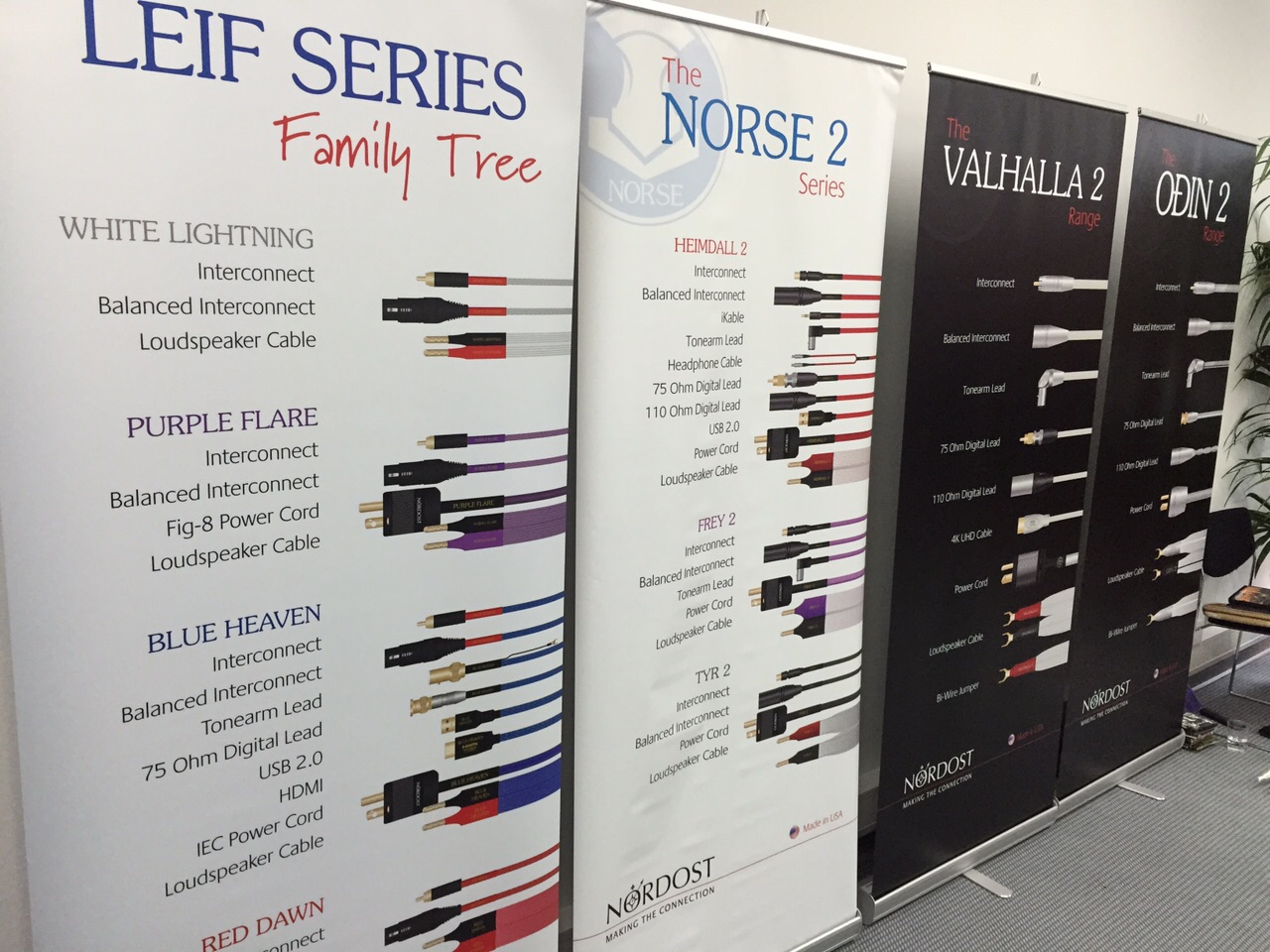
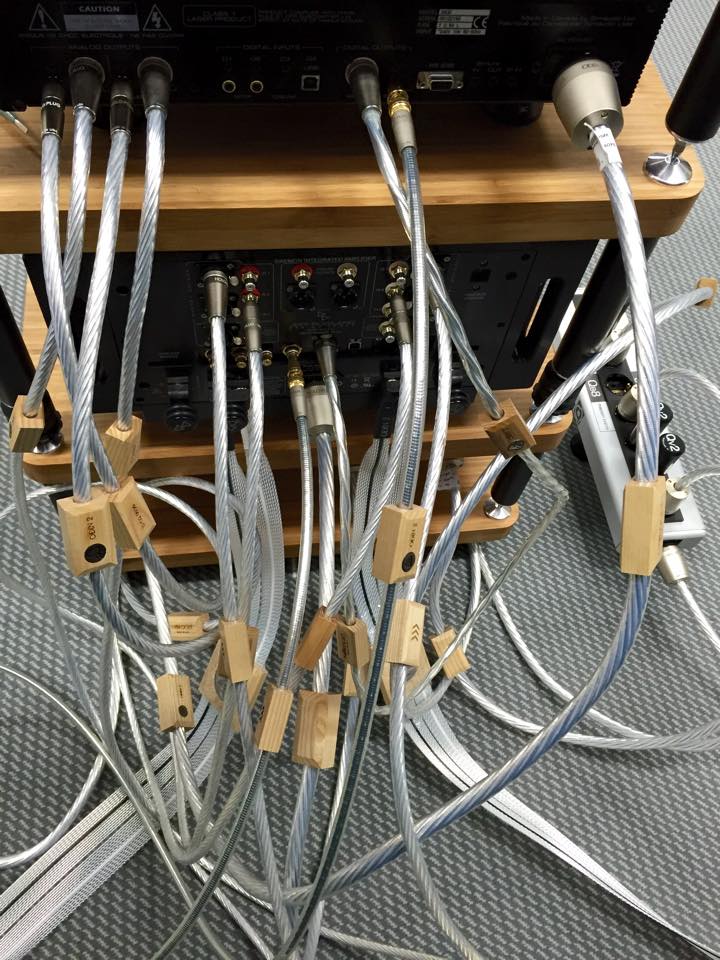
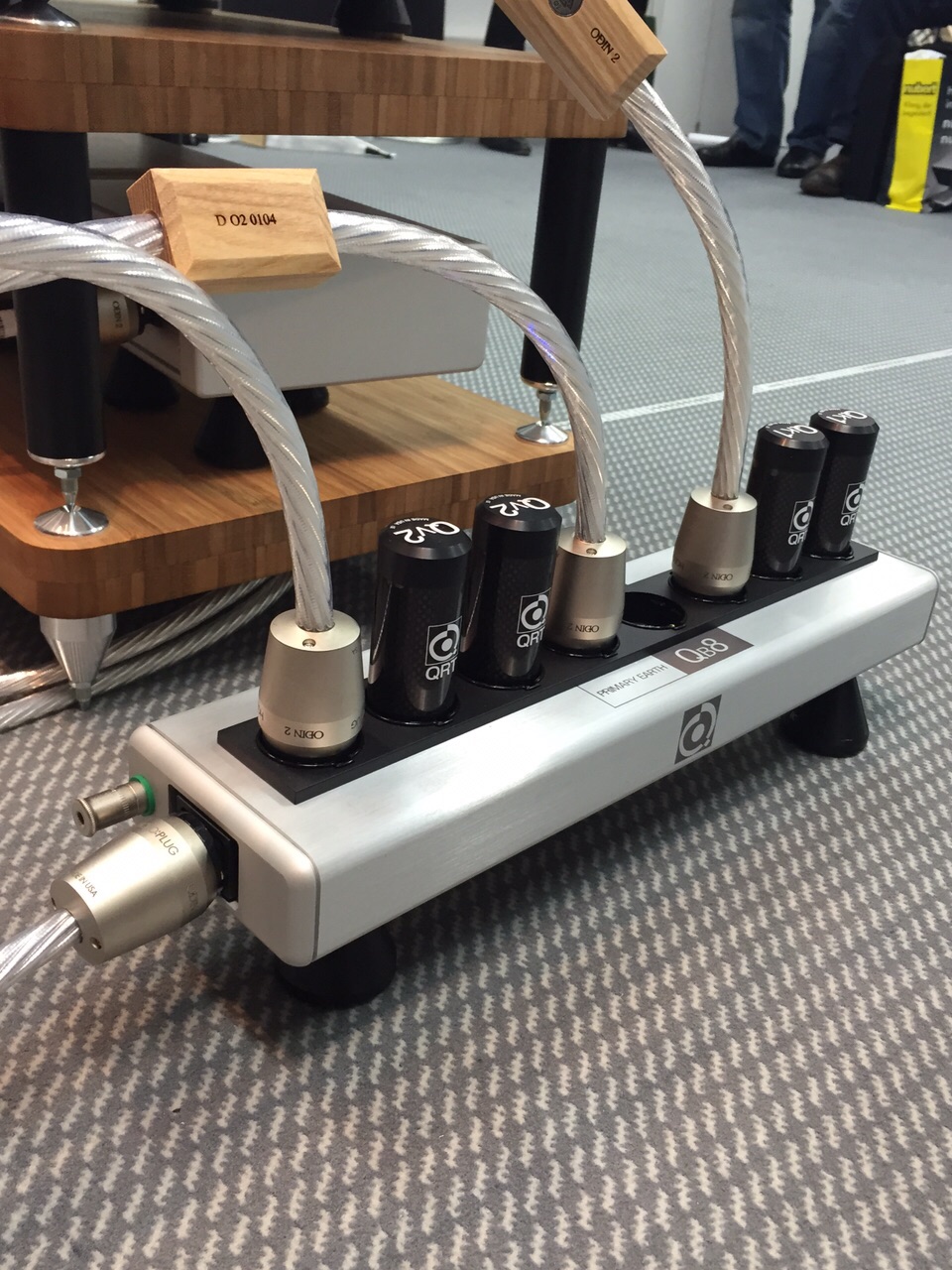
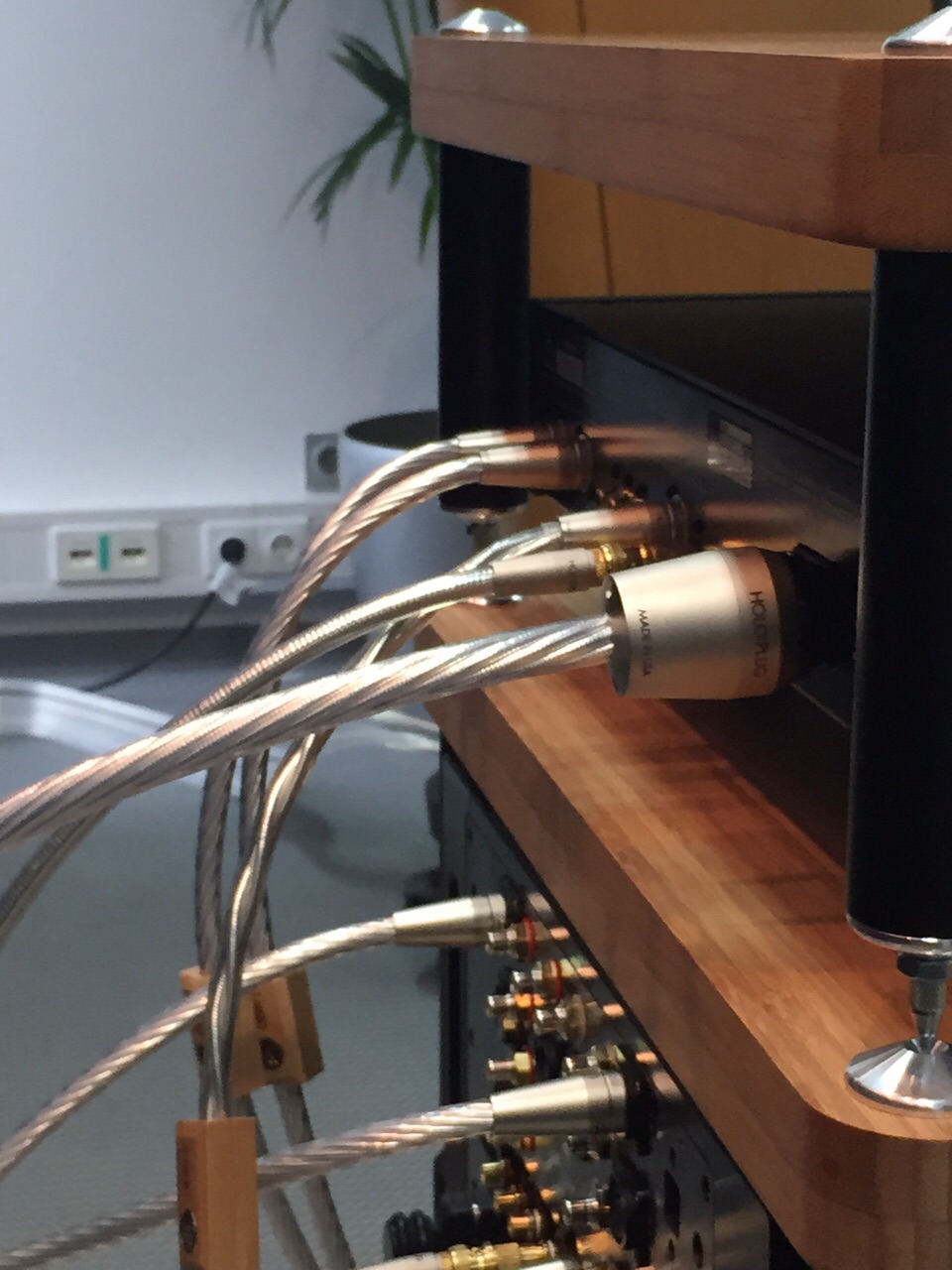
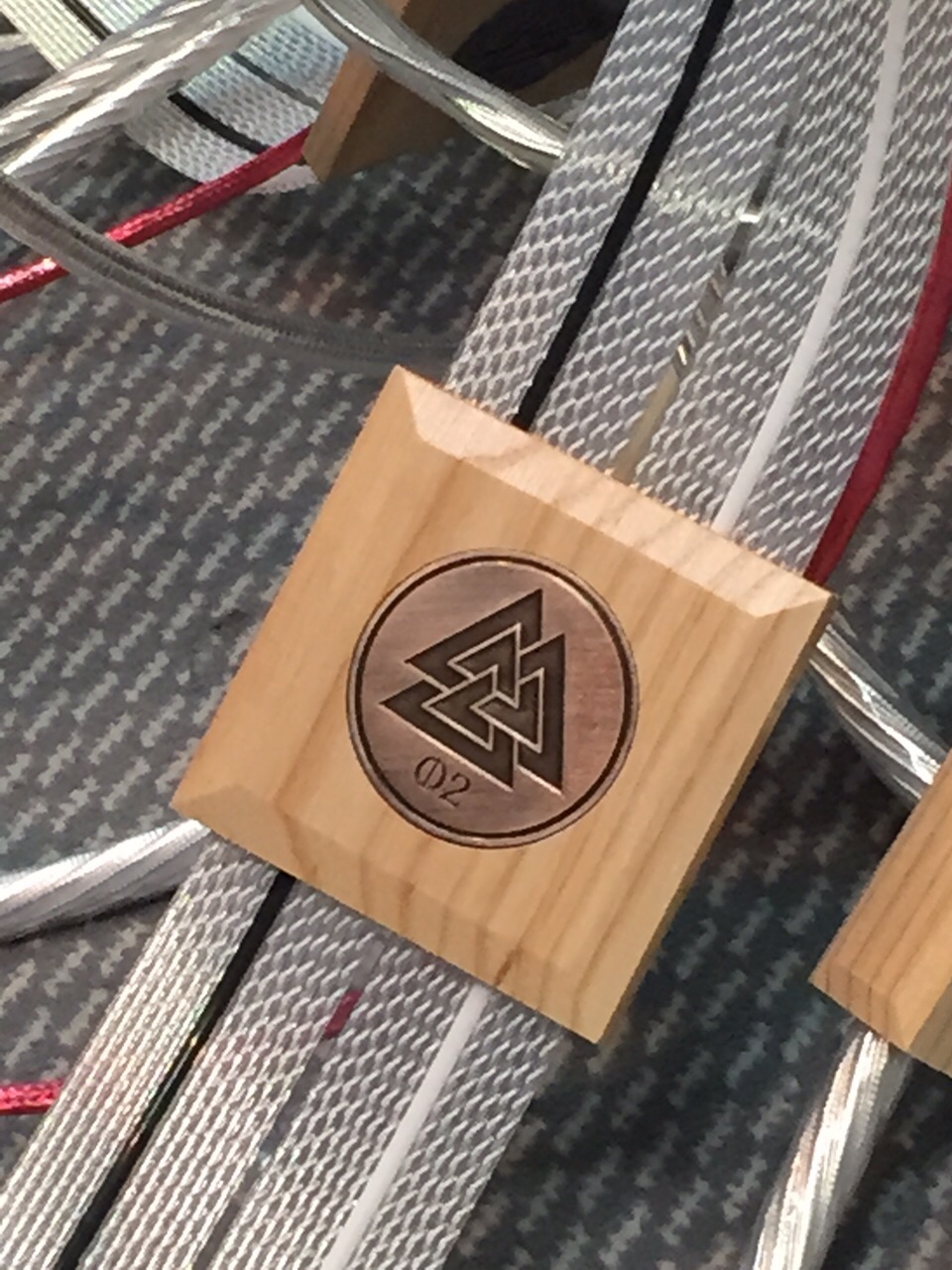
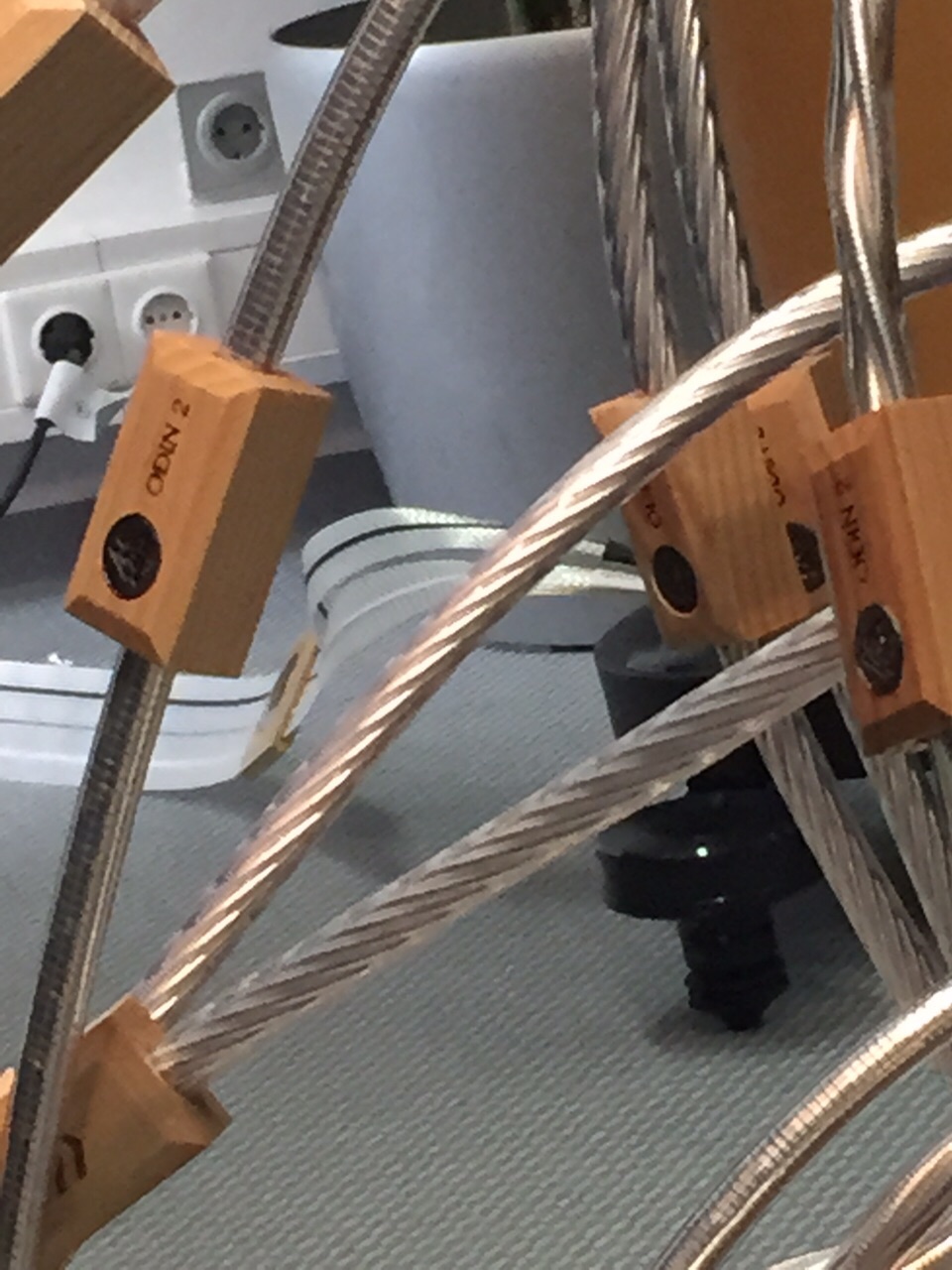
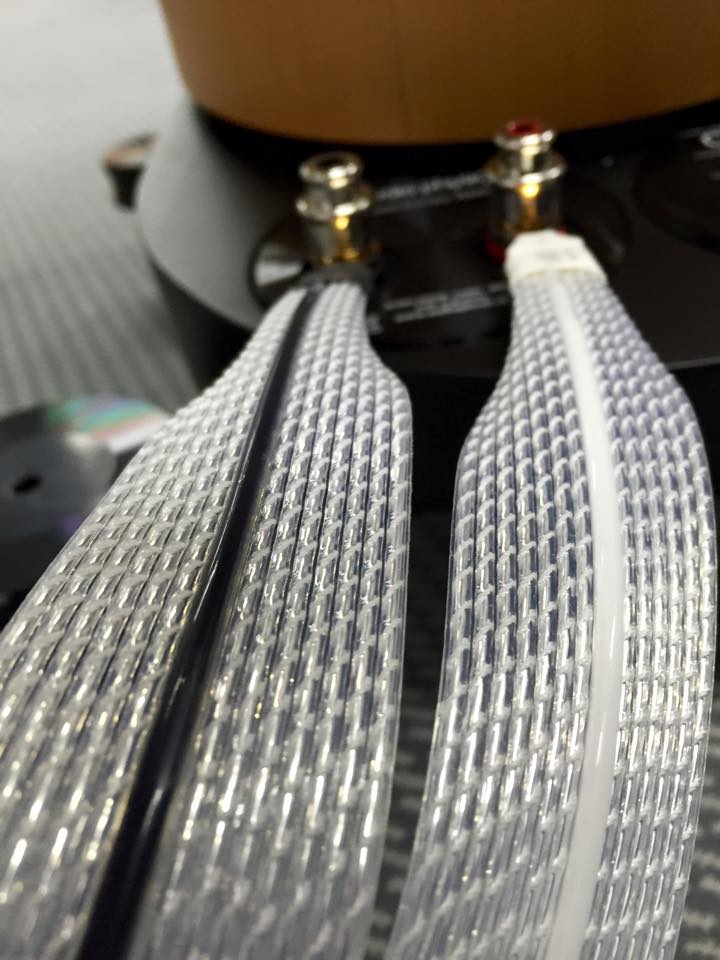
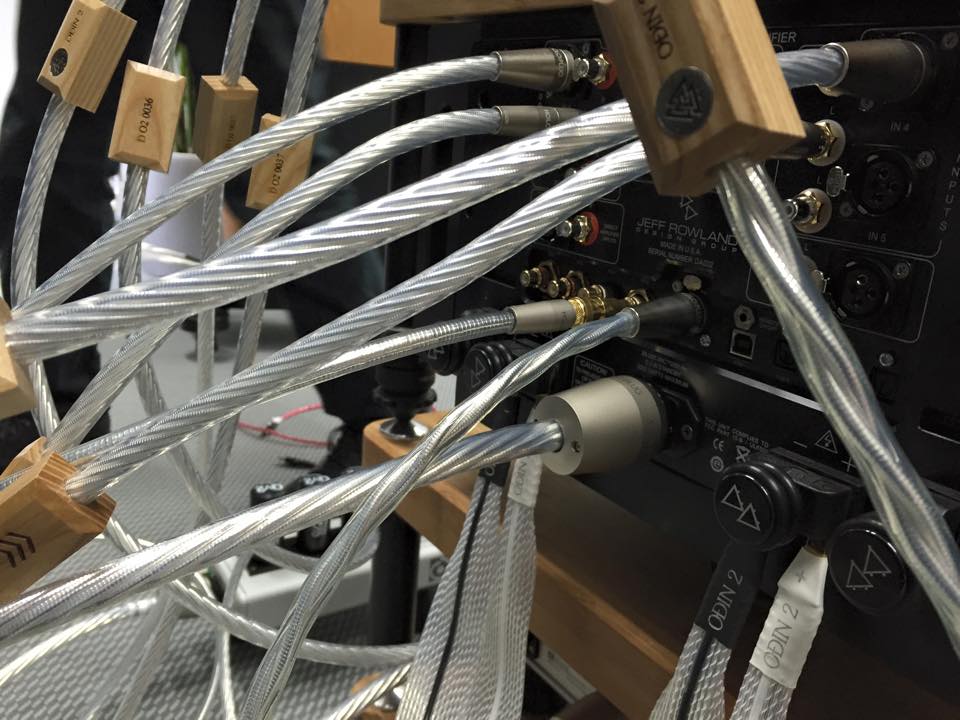
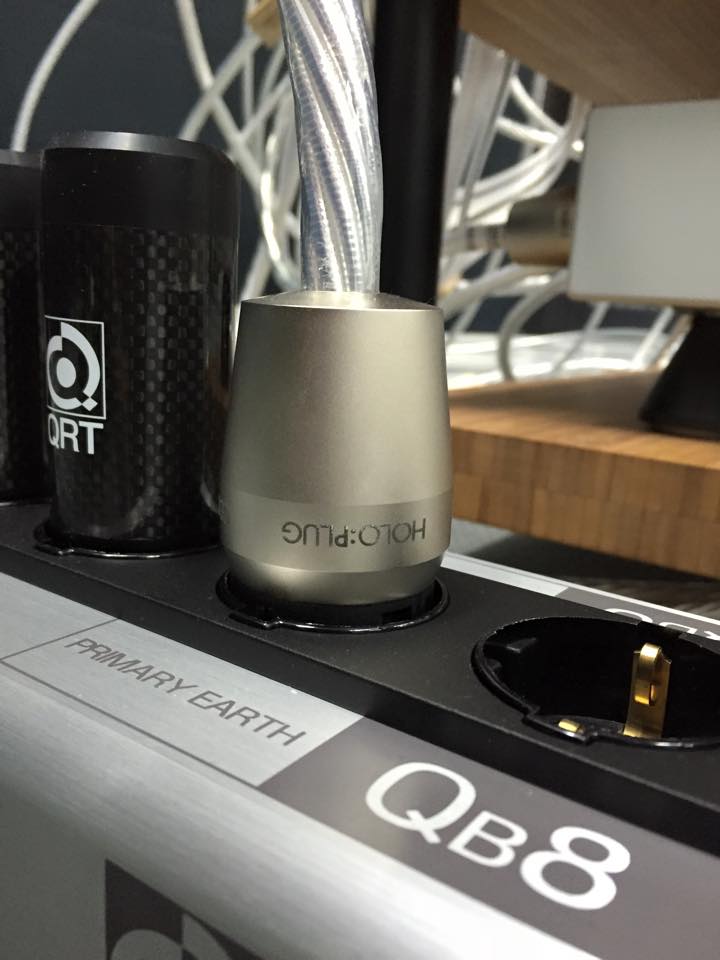
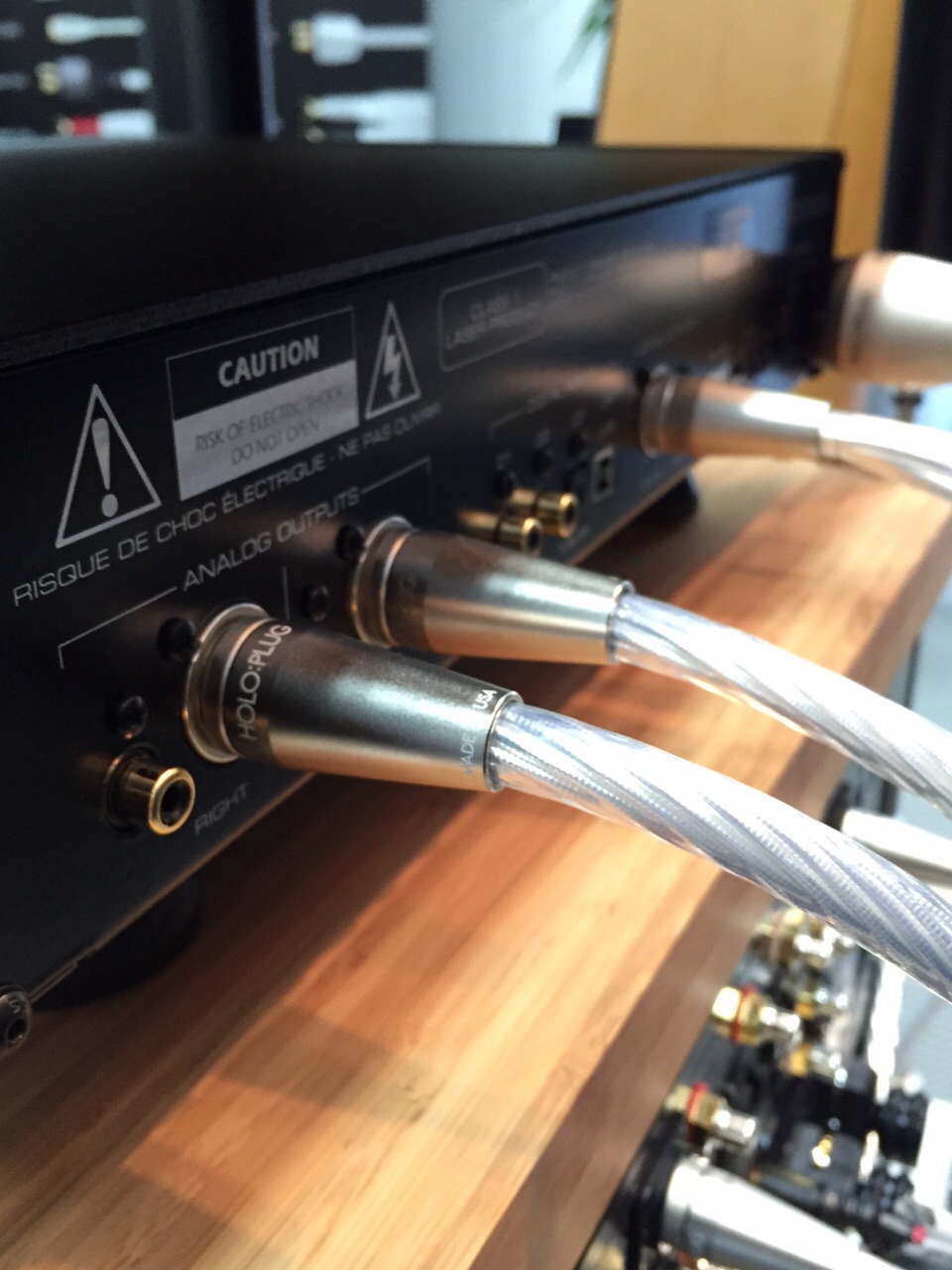
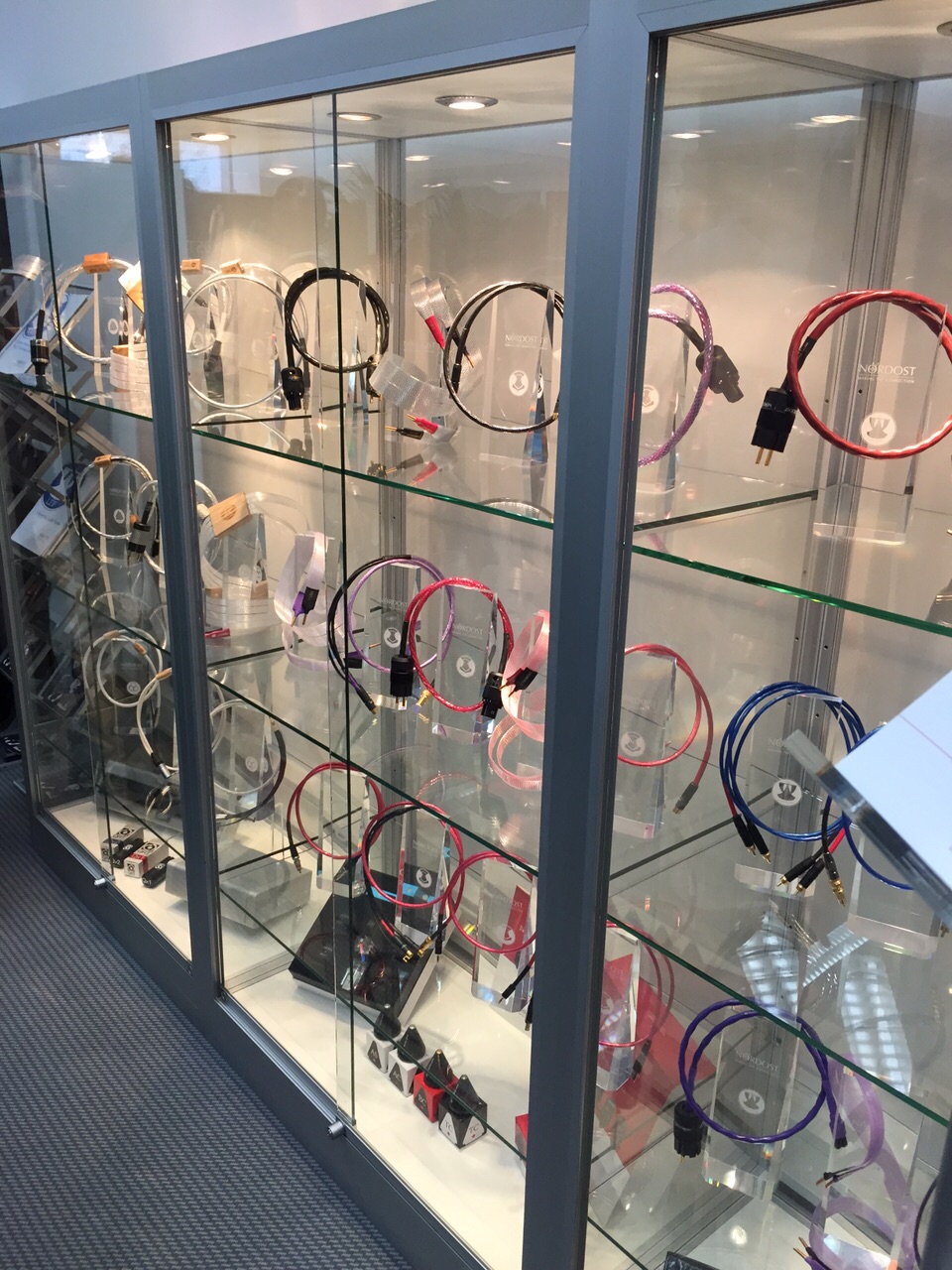
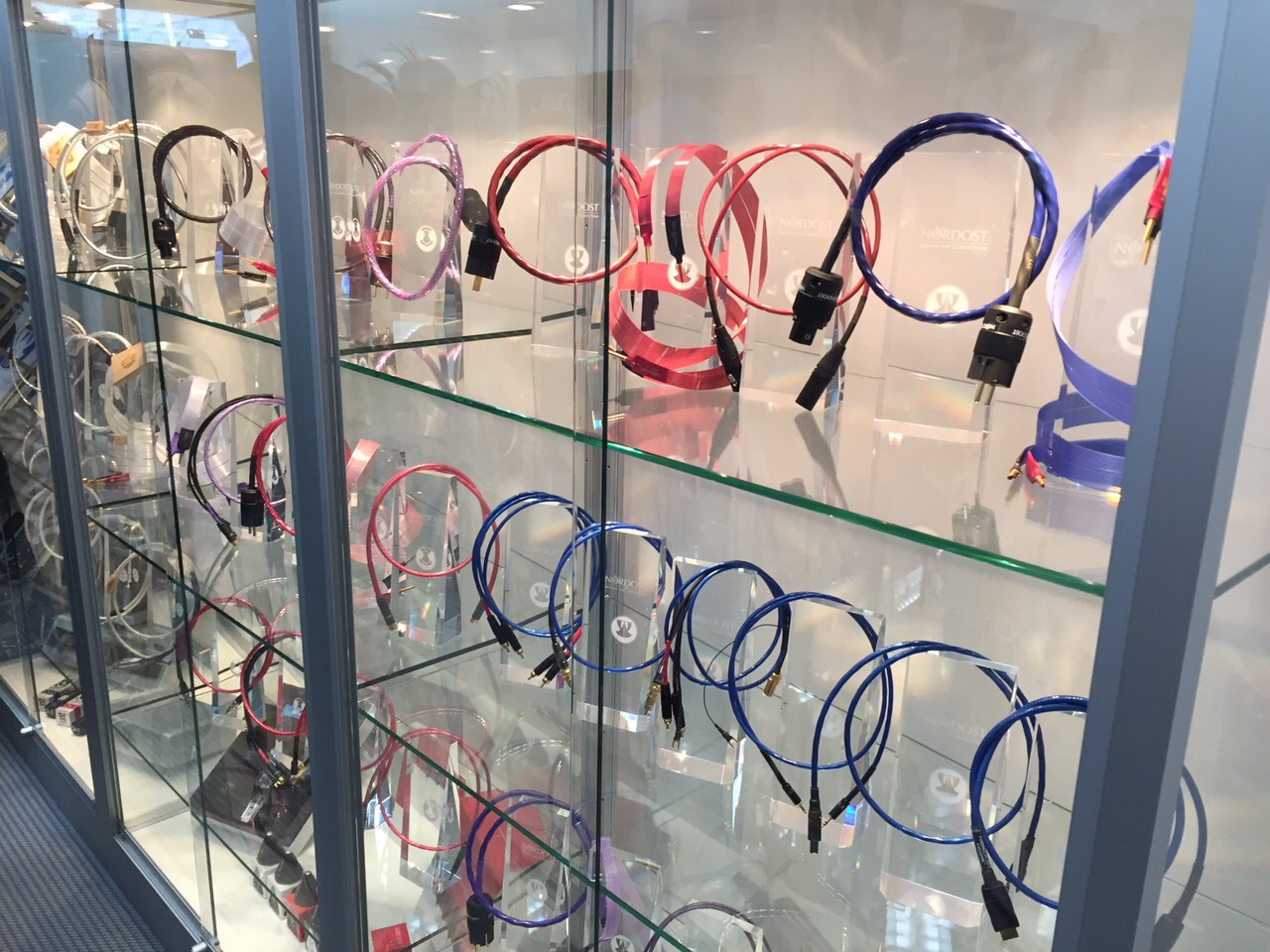
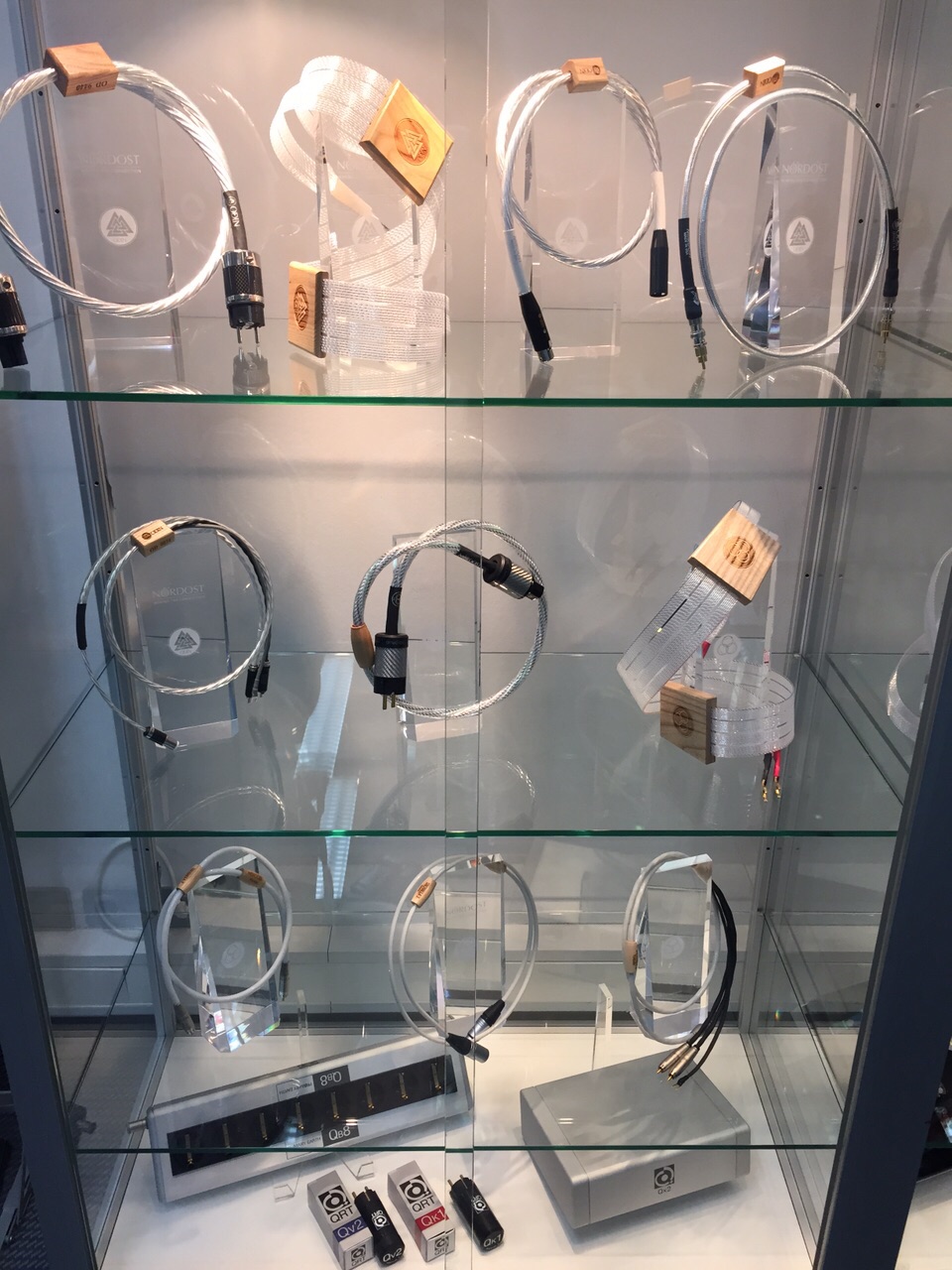
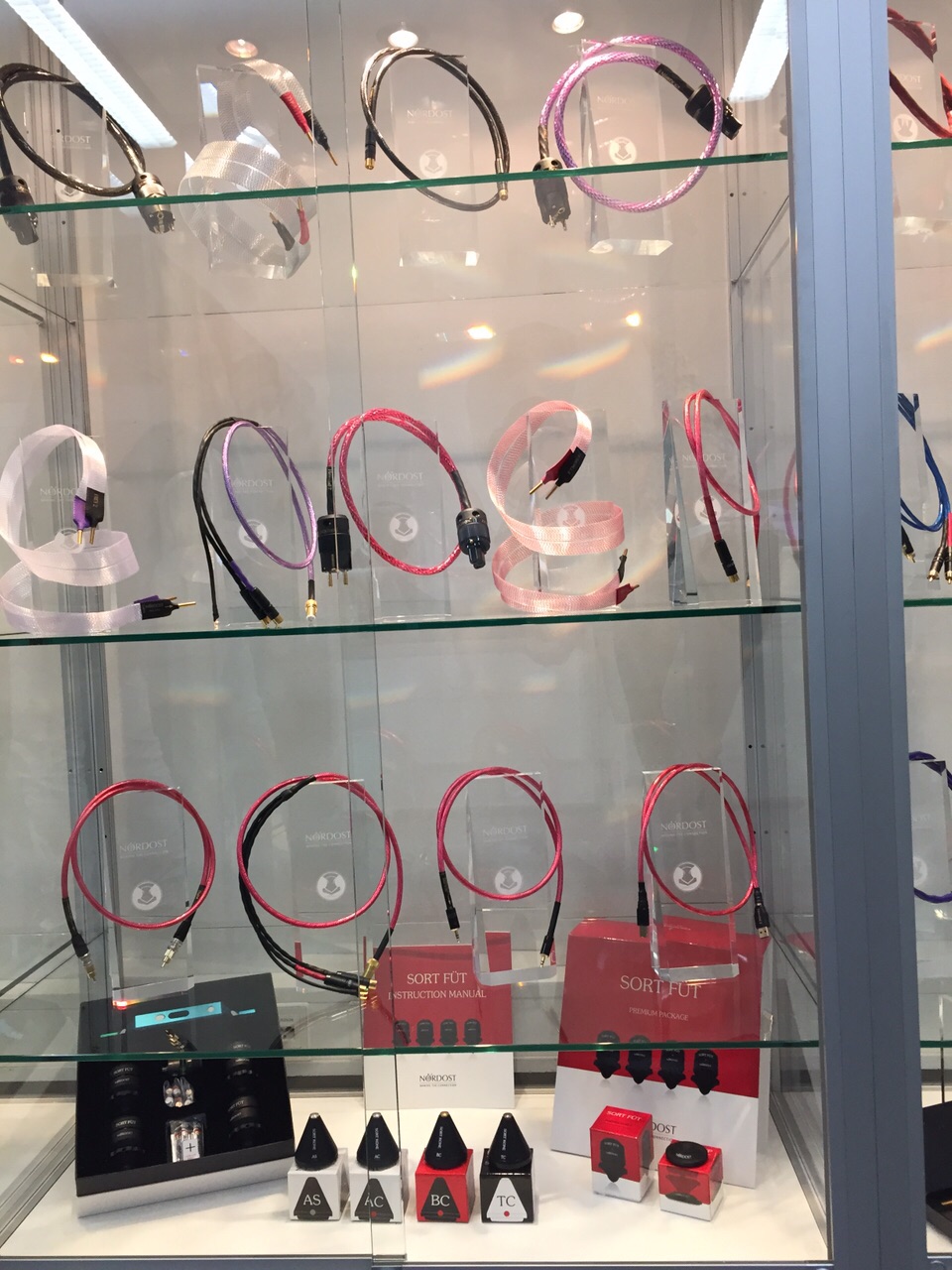
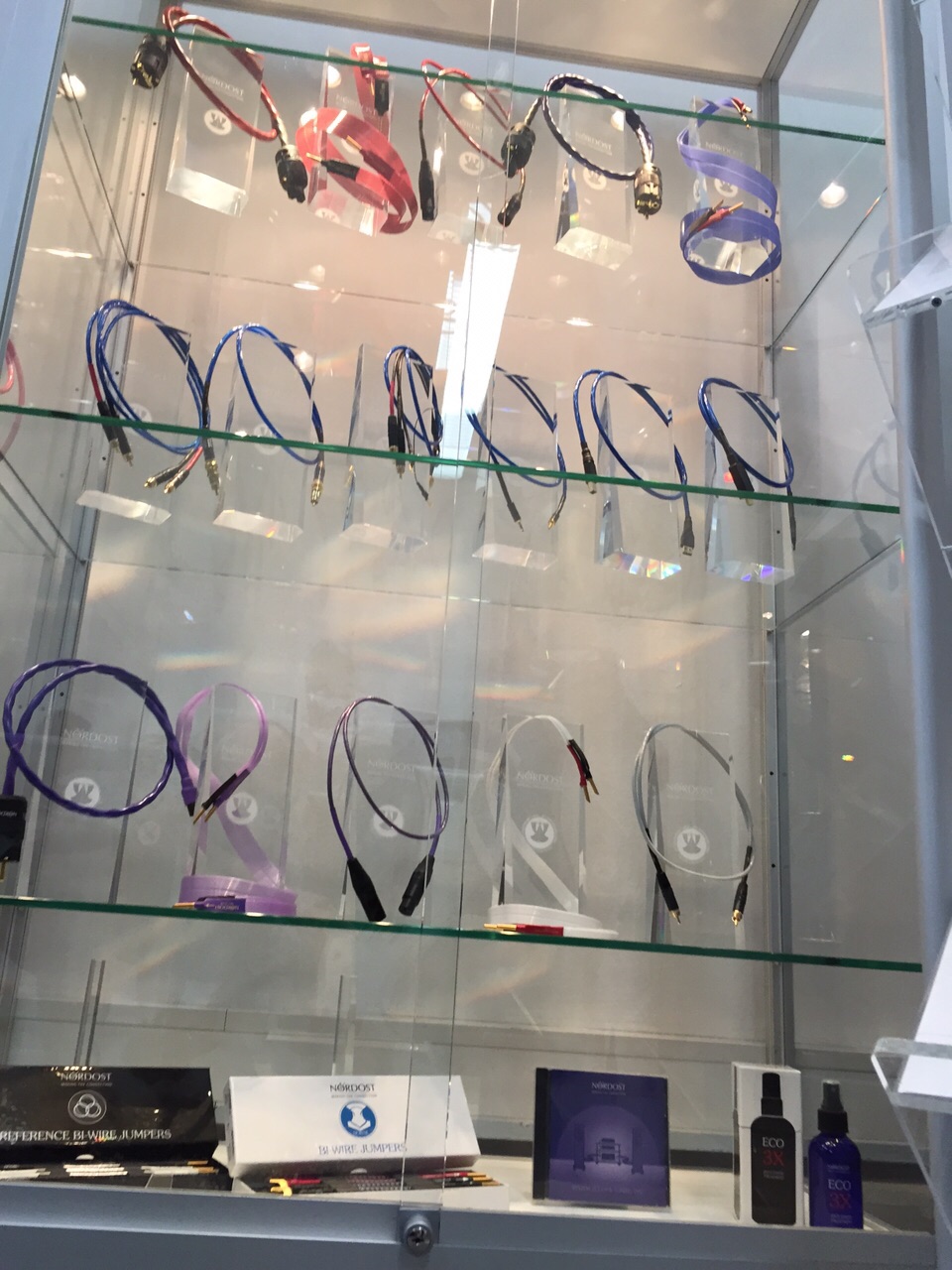
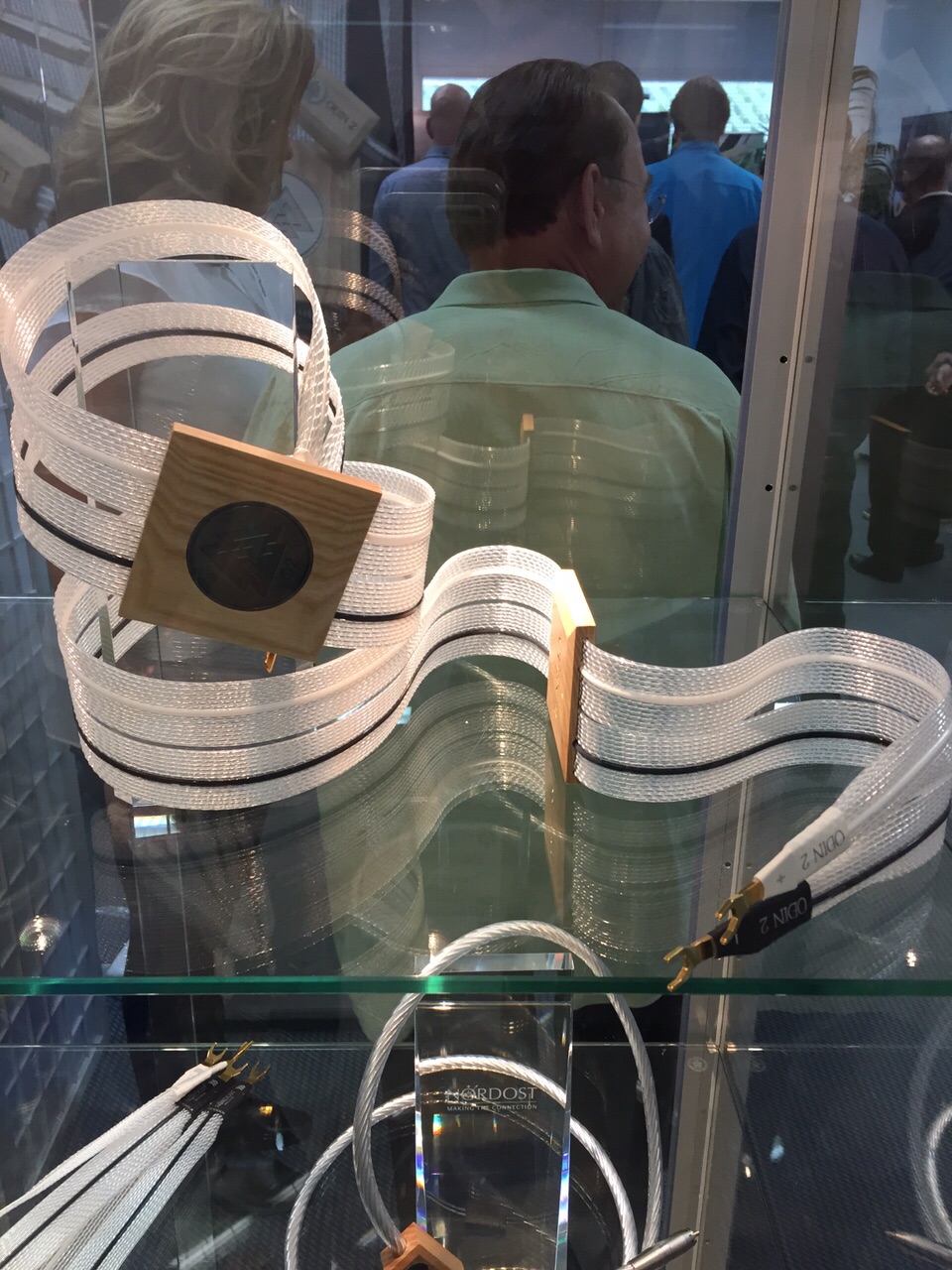
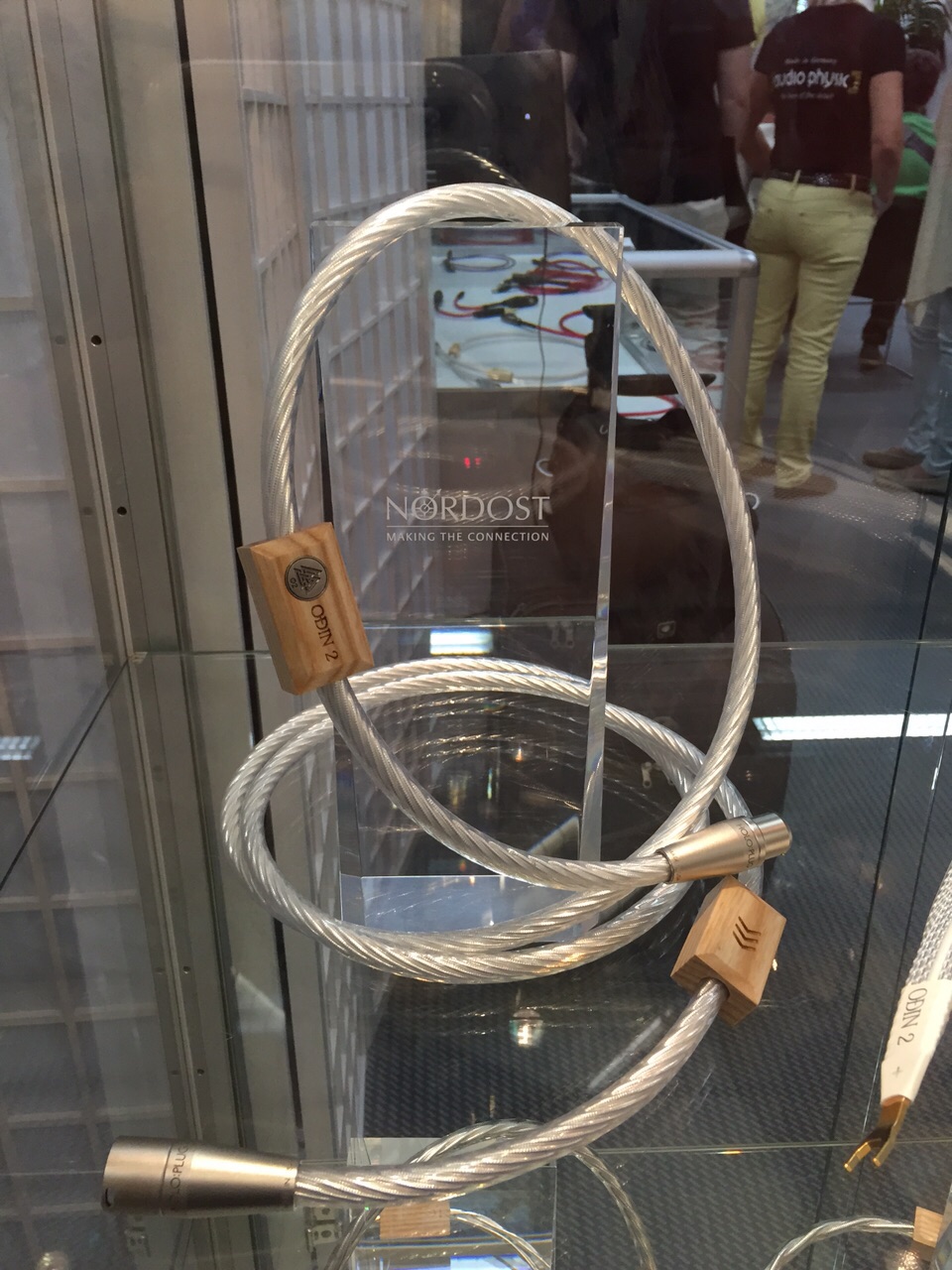
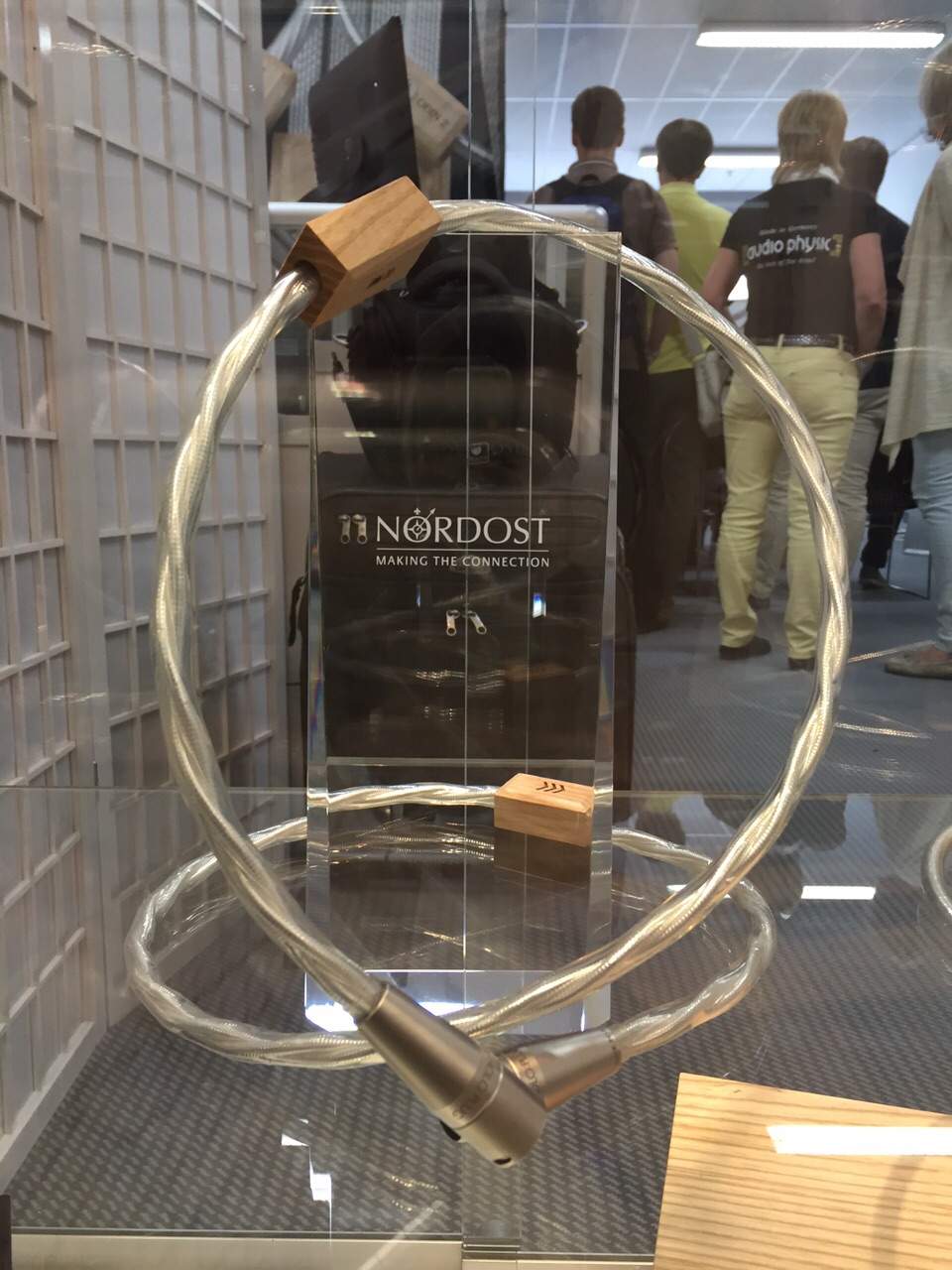
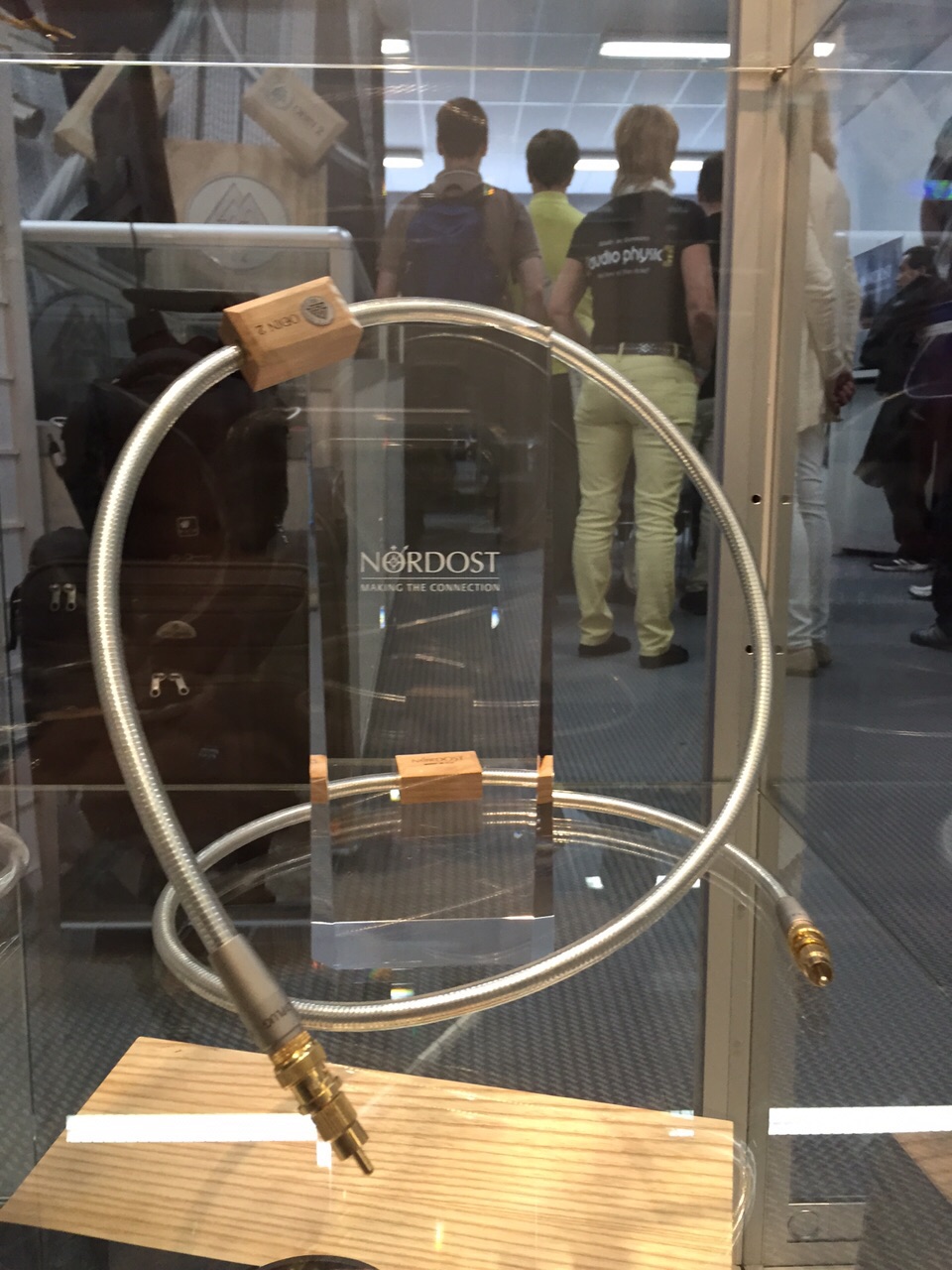
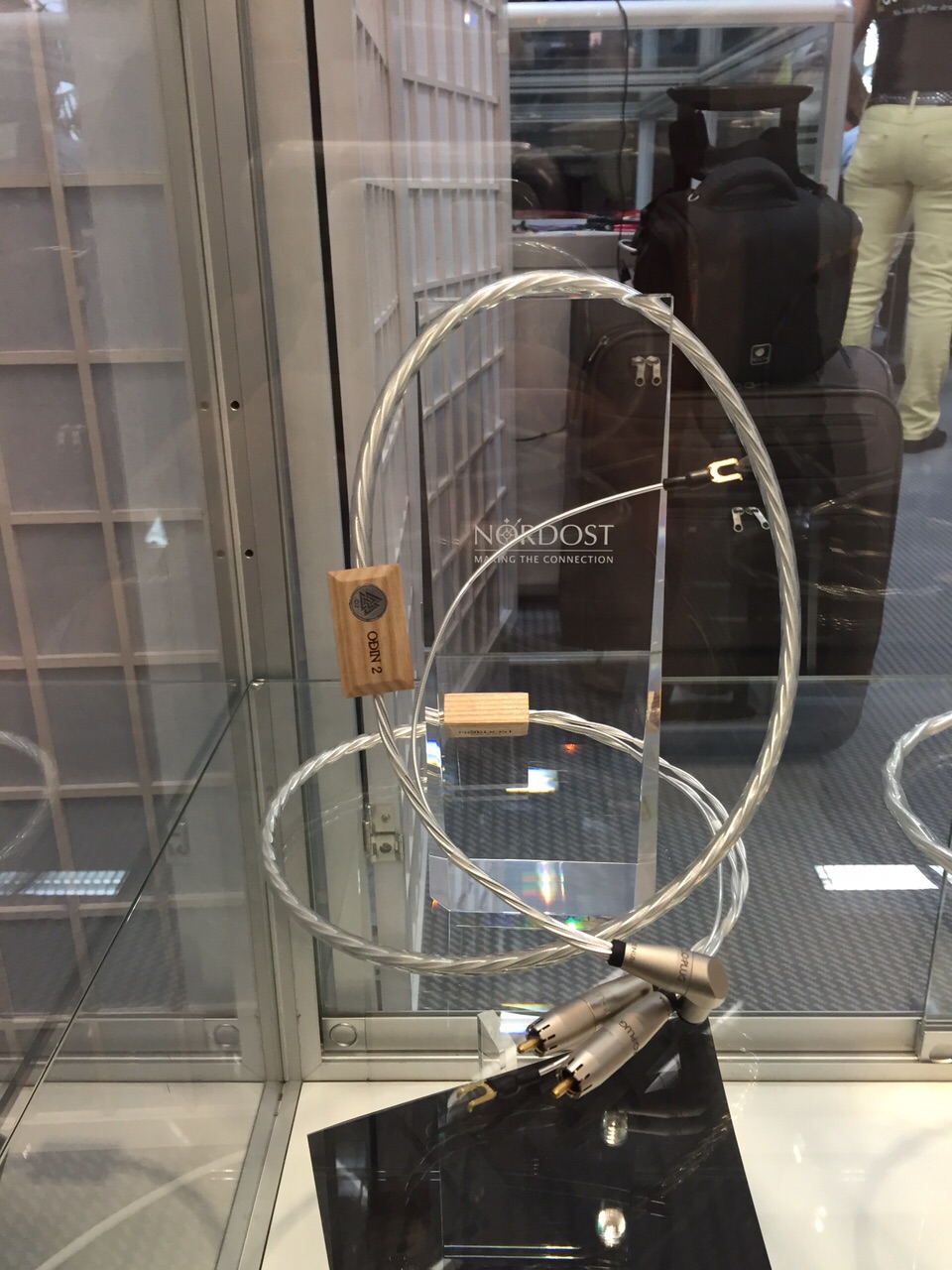
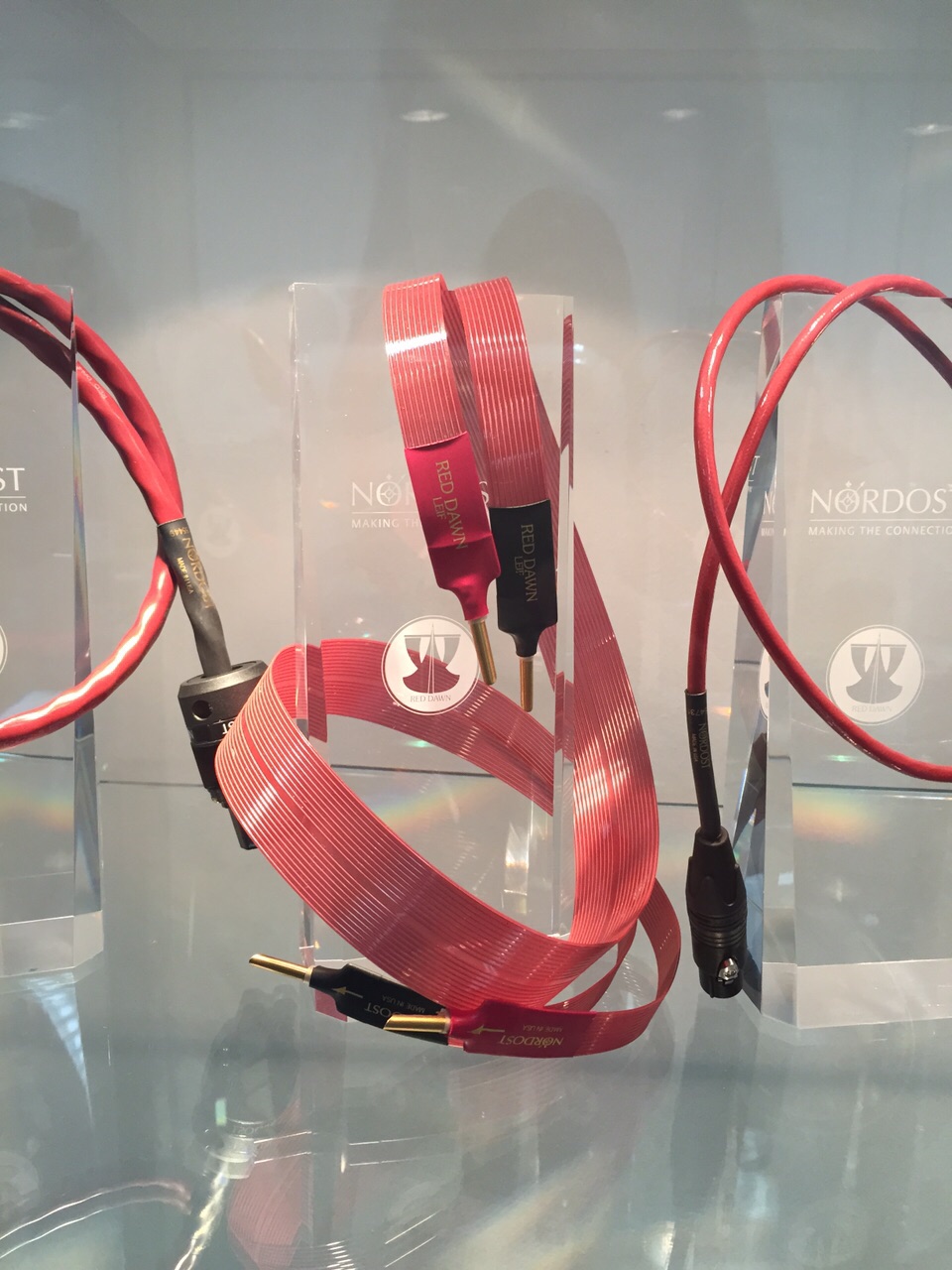
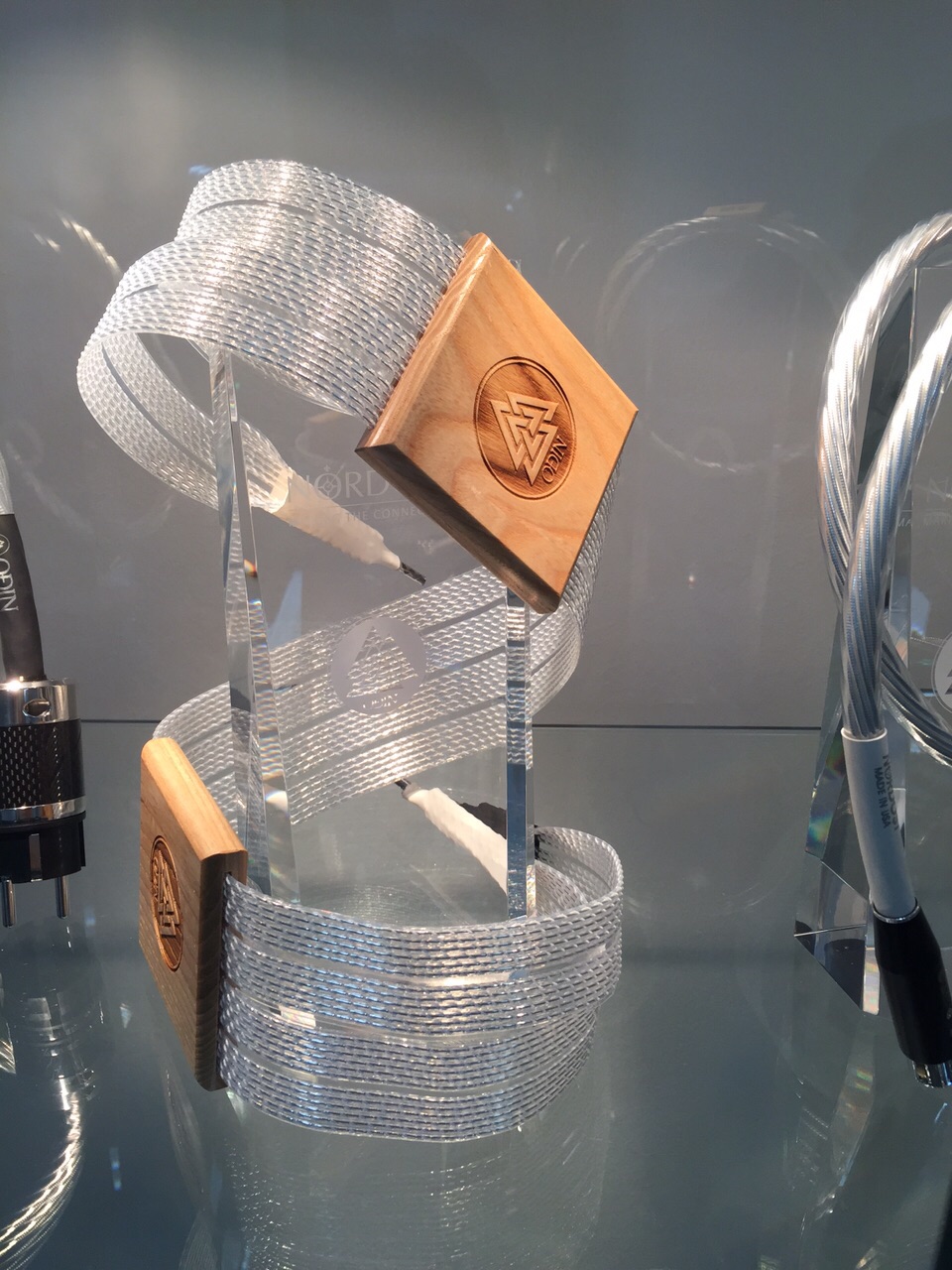
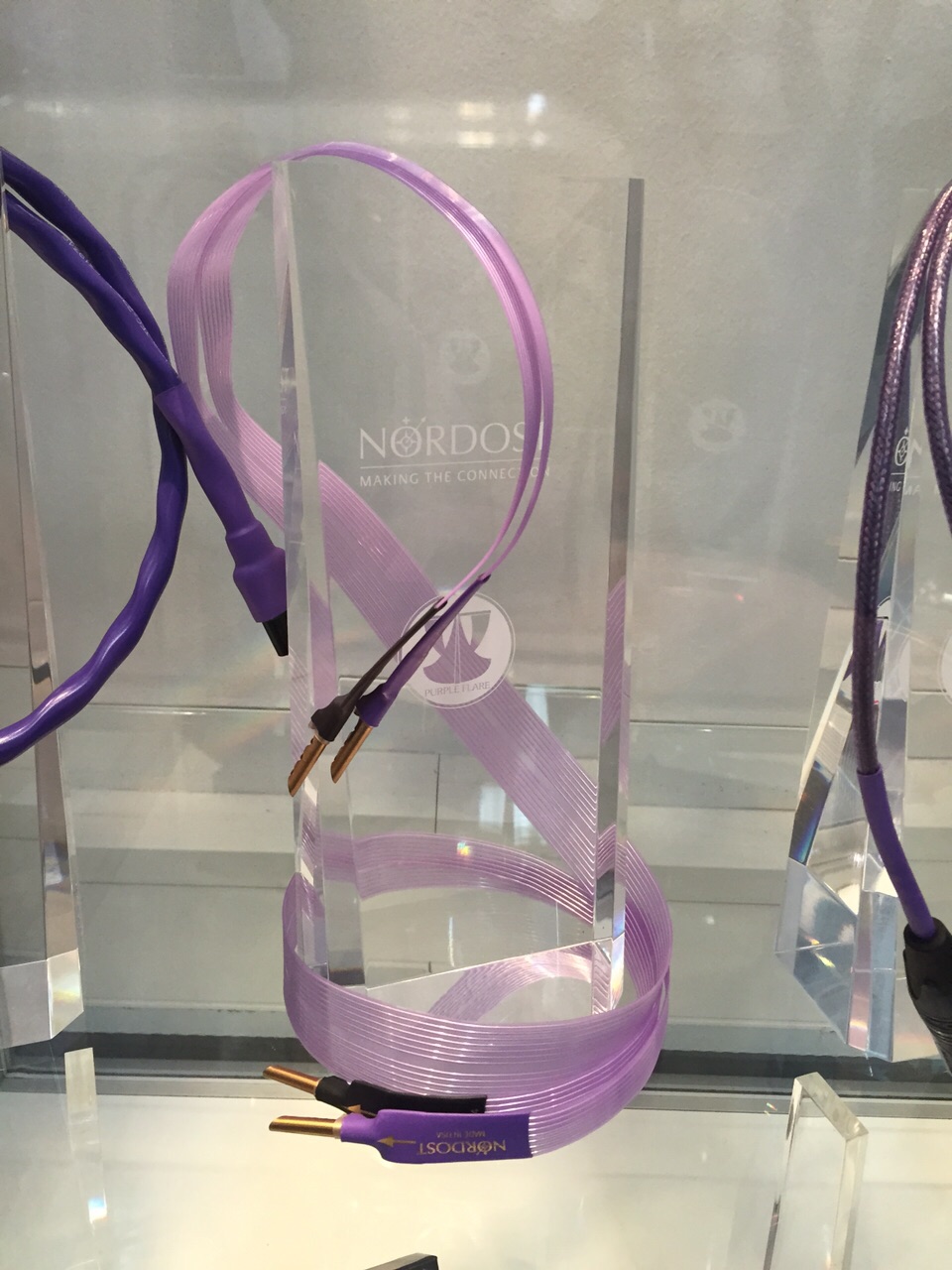
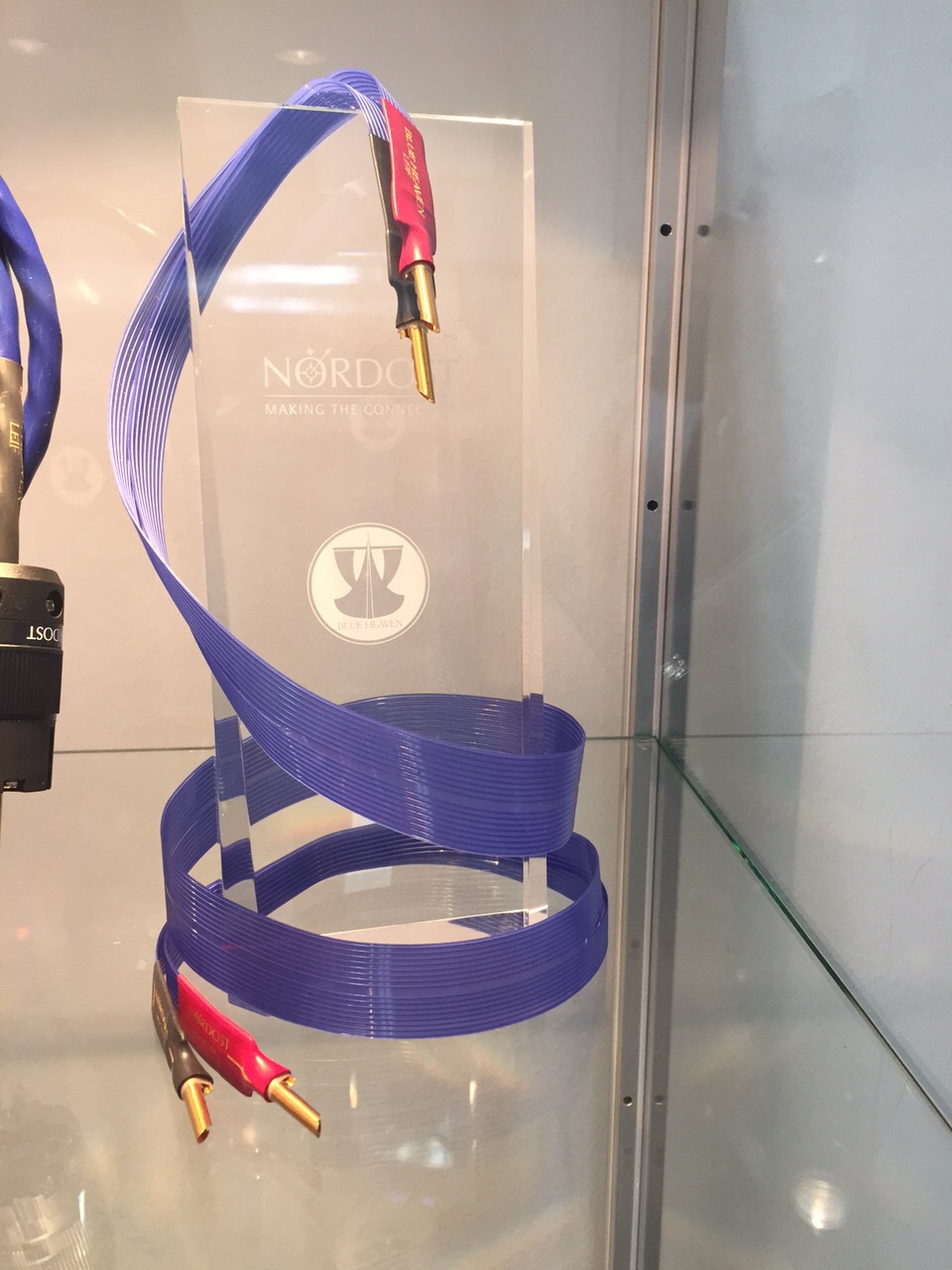
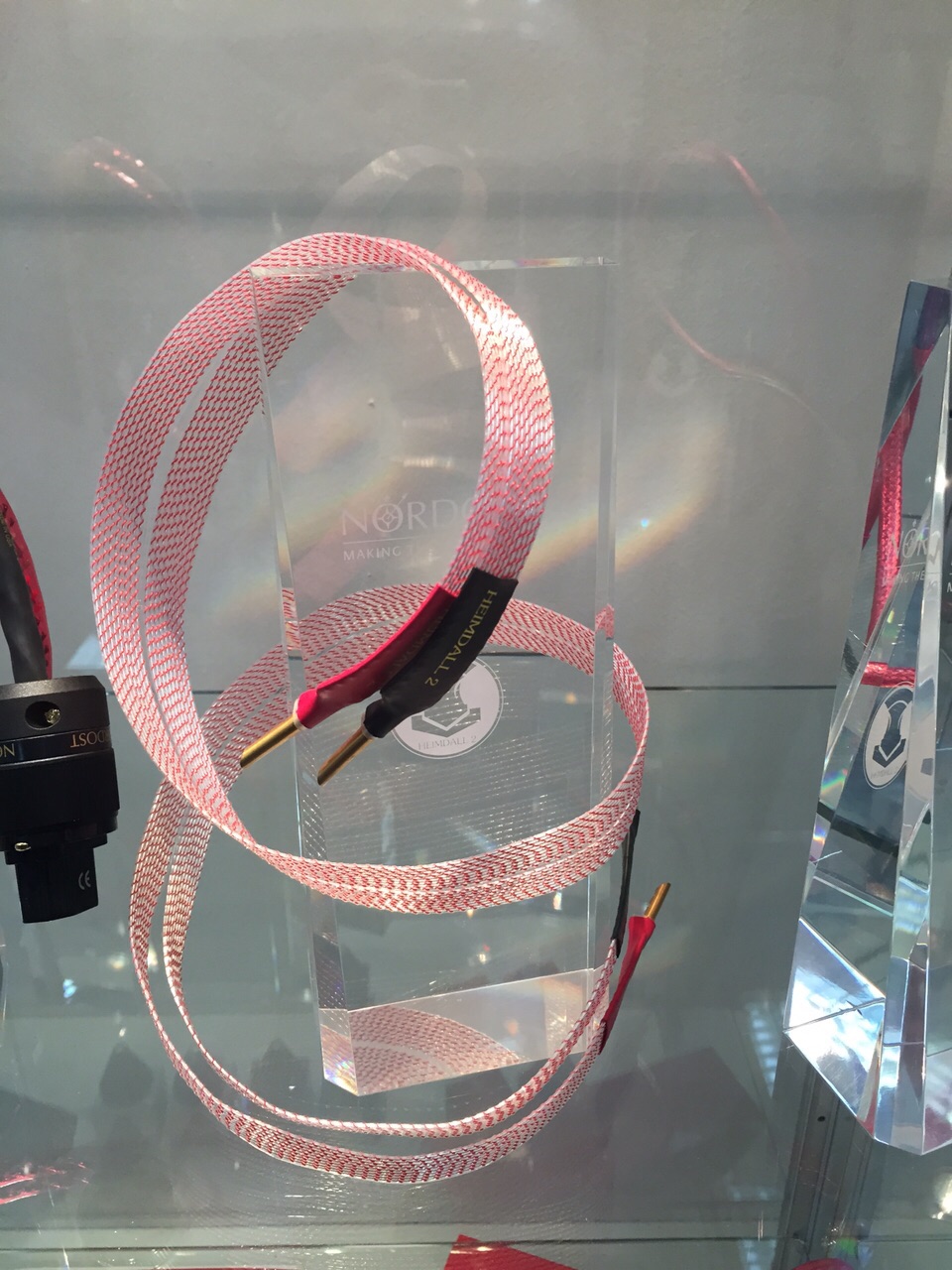
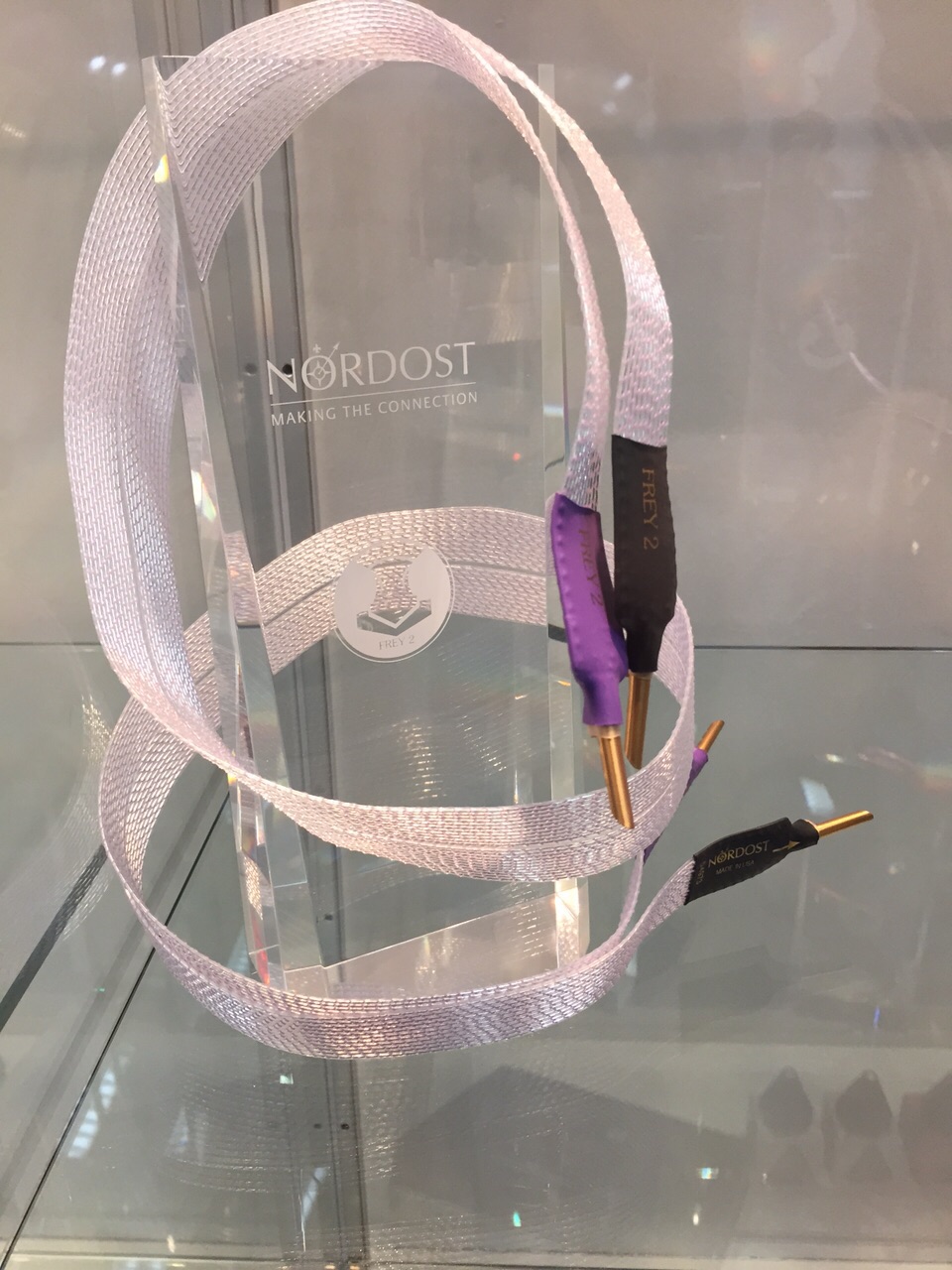
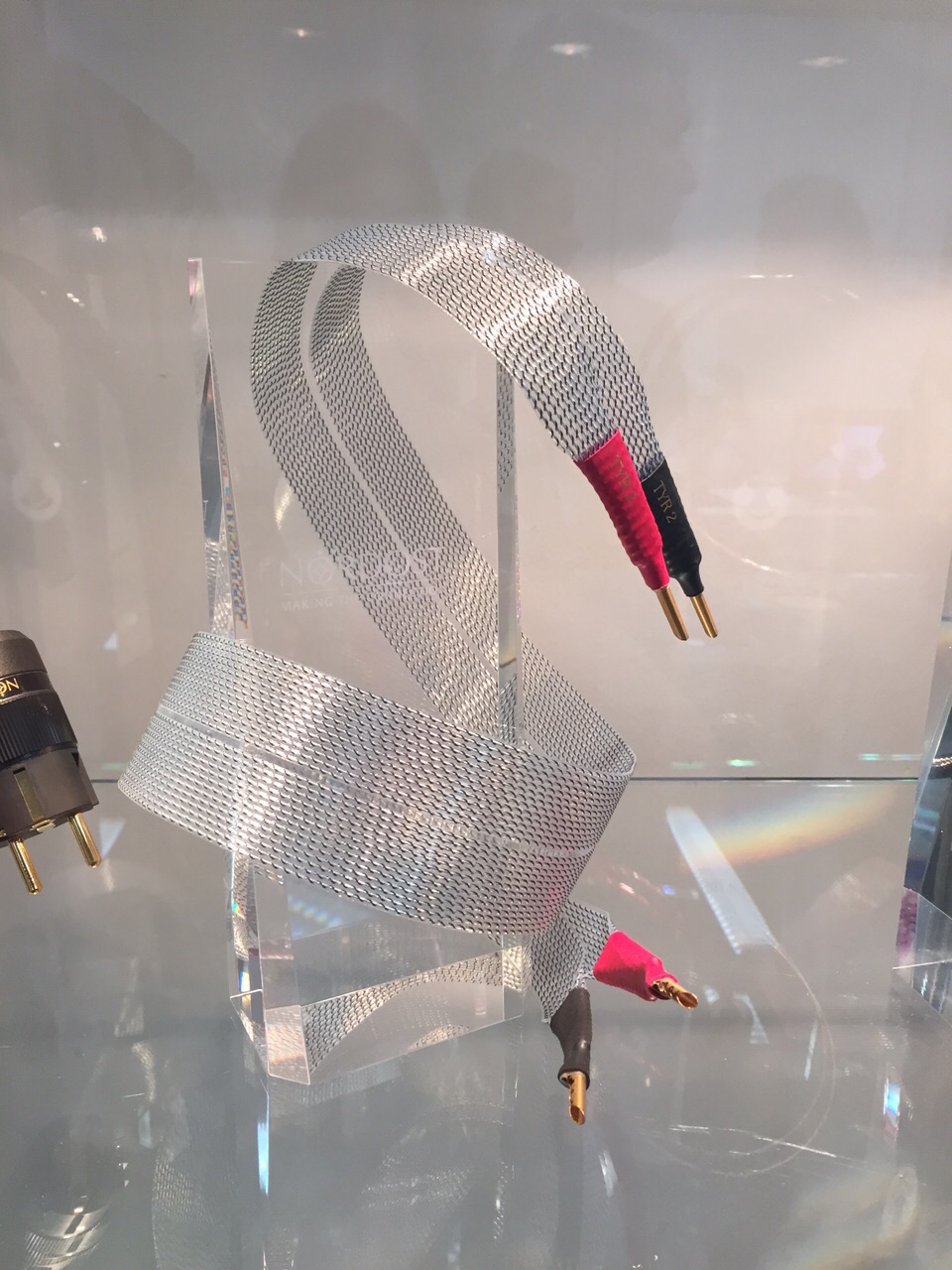
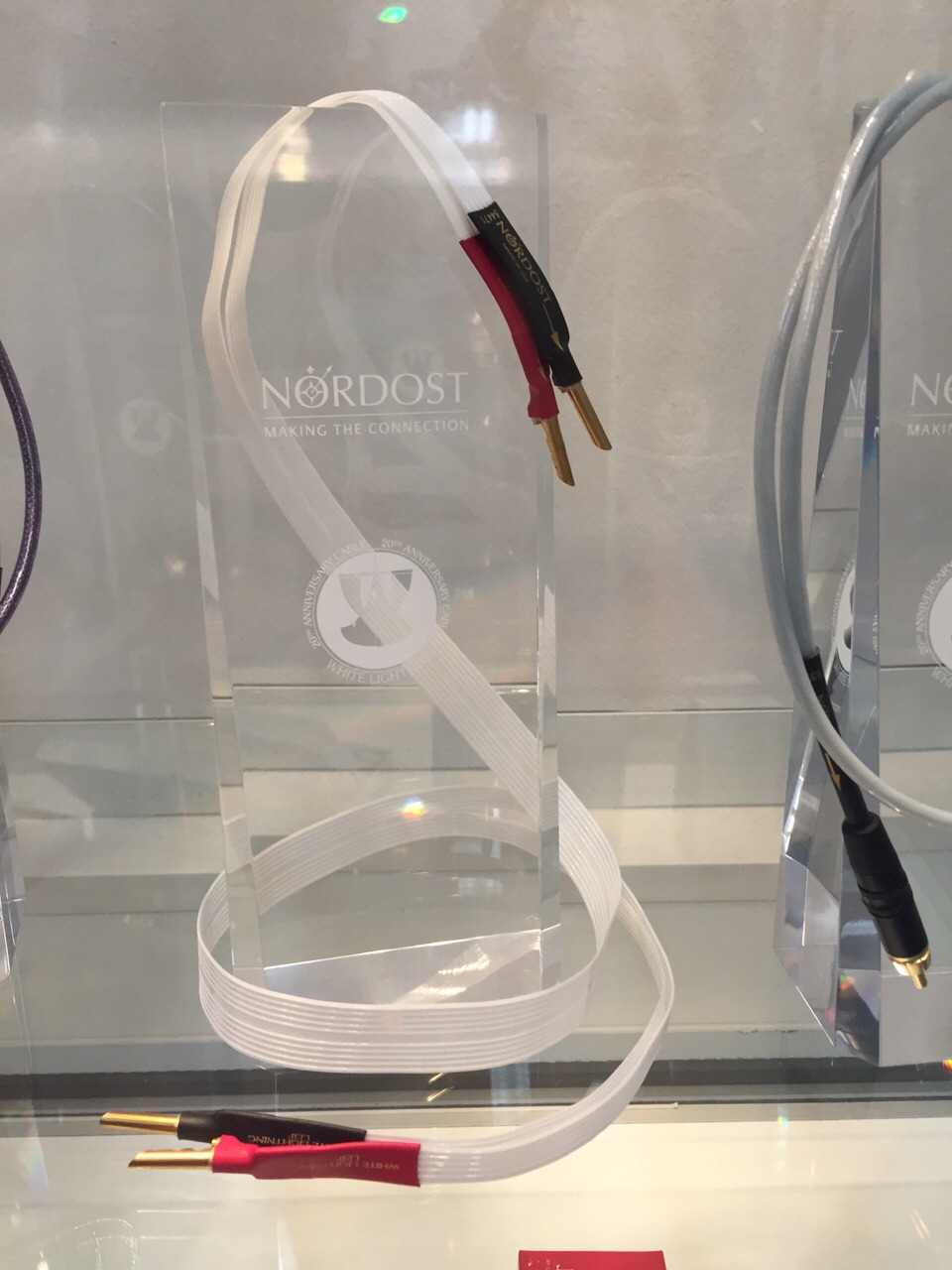
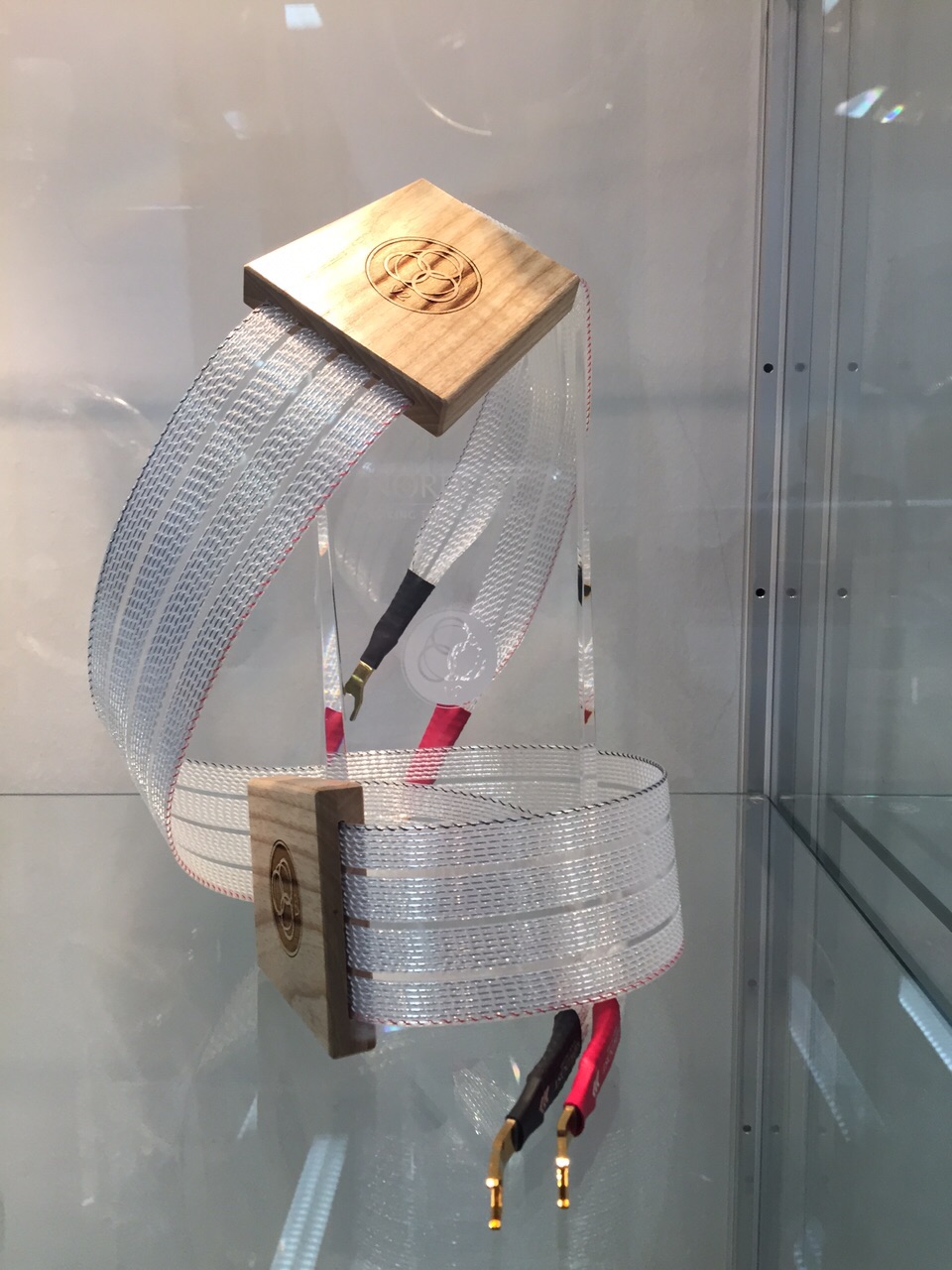
Have a look below at some photos of our product demonstrations, system, cables, and displays from the High End show in Munich!
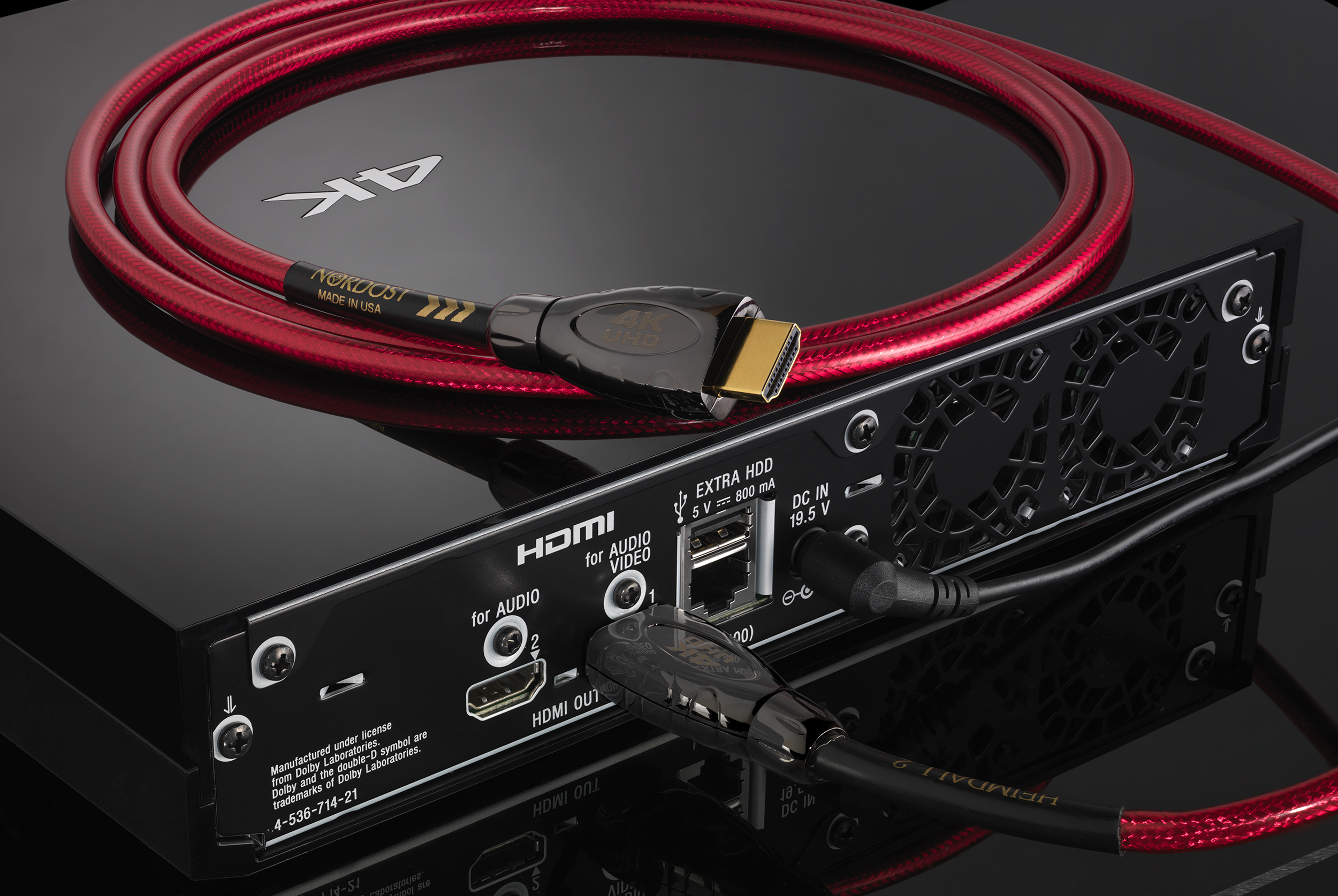
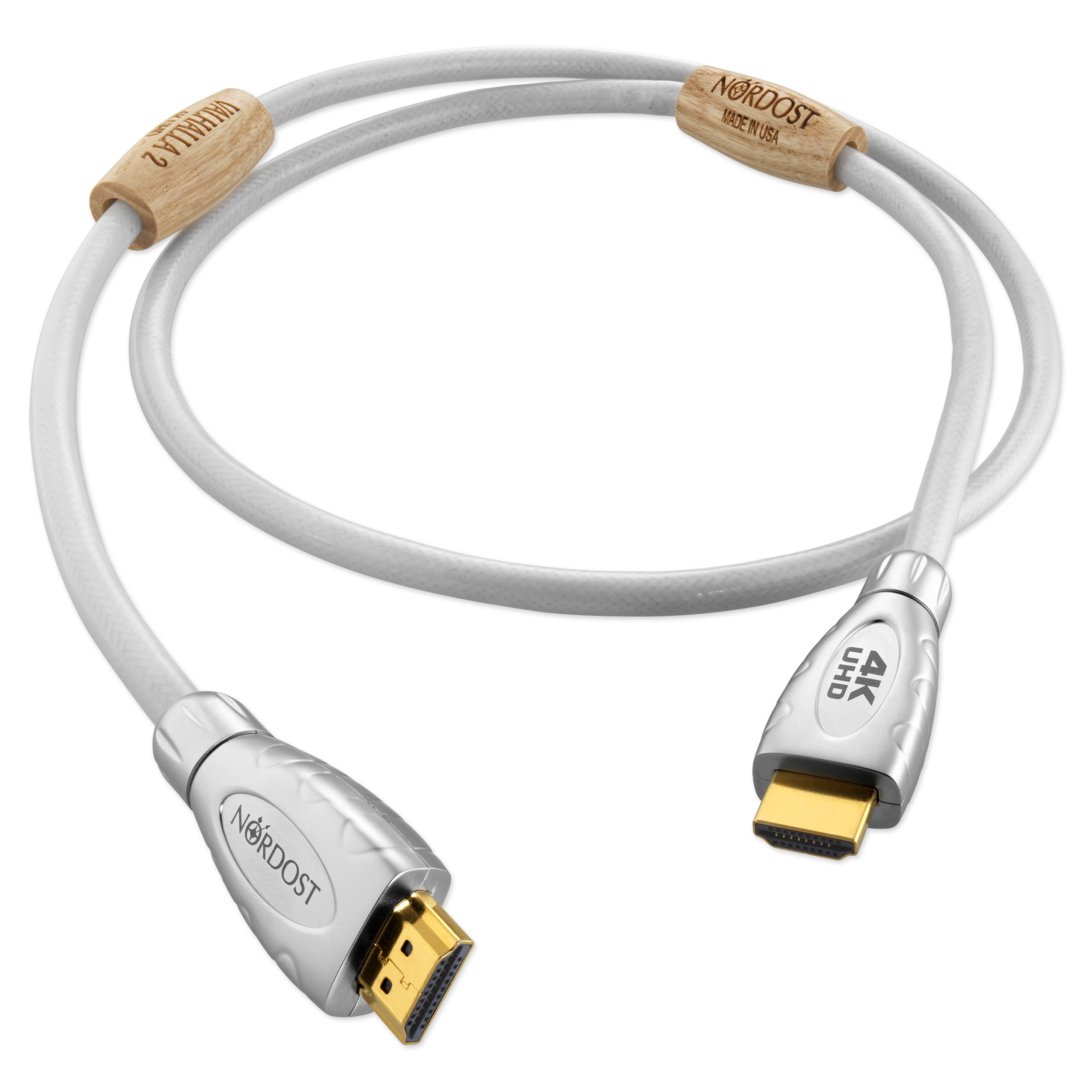
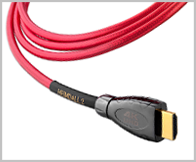
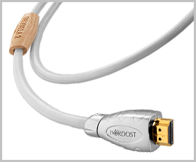
Nordost’s 4K UHD cables are the first in the industry that allow customers to experience the high frame rates and Deep Color promised from their 4K compatible components.
The design philosophy of Nordost’s 4K UHD Cables, as well as the materials used in their construction, maximize high speed digital signaling, while eliminating incessant and damaging factors such as jitter, timing errors and crosstalk. Both the Valhalla 2 and Heimdall 2 4K use Nordost’s proprietary Micro Mono-Filament technology, increasing the velocity of propagation by 20%, allowing the current to travel along the conductor’s surface with virtually no impedance. Nordost’s 4K UHD cables are arranged in a twin-axial, shielded pair design. This design topology allows for shorter and more accurate wire lengths, which in turn reduces errors, while shielding overcomes any crosstalk issues. The Valhalla 2 4K cable even increases its gauge size, which allows it to surpass flow standards and carry Transition Minimized Differential Signaling (TMDS) beyond the critical speeds necessary to achieve excellent data transfer.
Thanks to new, groundbreaking proprietary electronics, Nordost is able to guarantee the same excellent results at longer cable lengths. The Valhalla 2 4K cable can reach up to a staggering 15 meters. All active circuitry implemented into our cabling is individually programmed and tested to ensure that 4K bandwidth requirements surpass the highest standards as defined by DPL Labs.
All Valhalla 2 and Heimdall 2 4K UHD Cables are handmade in Nordost’s Massachusetts-based factory. Nordost is the only cable manufacturer with the ability to design each function of the UHD interface, assemble, and test the performance of every 4K UHD cable produced. By keeping the production of this cable in the USA, Nordost can ensure premium quality and an adherence to specification standards that is impossible for companies that outsource their manufacturing.
Nordost is lucky to have a wonderful team of representatives and product trainers who travel around the world educating and demonstrating the effects of Nordost’s products. As part of these demonstrations, it is our job to find an interesting and diverse selection of music to showcase our cables, power devices, sort system and accessories. Whether at shows, visiting our dealers and distributors or even in our own listening room in our headquarters in Holliston, we are constantly getting asked what music we are playing (or if our audience is not so bold to ask, we can see their Shazams working overtime). So we thought this would be a perfect opportunity to share our favorite songs of the moment. Some may be classics, some may be brand new, some may not even be to your taste, but one thing is for sure …it’s all great music.
Here are some of the songs that we will have on rotation this May.
4K technology is new to the consumer electronics industry. To help you better understand this new technology, we have asked our friend Jeff Boccaccio at DPL labs to clarify any misgivings or misunderstandings about these new standards:
As the HDMI interface continues to evolve, so does the complexity to managing it. Let’s face it, HDMI has set a new course for home entertainment both with audio and video reproduction. As much as HDMI’s technologies seem to have infinite capabilities, there continues to be a slight time delay between the new features that continue to be released and the hardware that must support it.
Since its introduction into the consumer electronics industry, HDMI has been pushed, pulled, stretched, and squeezed for better and better performance, which of course improves both its audio and video reproduction ability. The fact of the matter is that it should! This expansion capability was one of the major visions proposed when HDTV was introduced, giving way to the older NTSC (Nation Television Systems Committee) and PAL (Phase Alternating Line) standards. Both older systems were “land locked” in technology and bandwidth. There was no possible way of improving these older systems, and with the given speed that technology continues to grow then so should any new system that is proposed.
HDMI was one system that had the ability to “morph” itself into newer and more dynamic technical possibilities. From the day of its inception, the HDMI interface has changed countless times. As the format expanded so did the hardware that was associated with it. This includes Blu-Ray players, displays, switching devices, and AVR’s. In addition, all of these products require some kind of connection device (cable) that needed to expand in performance as well to connect them all together.
With the introduction of HDMI Rev 2.0, the interface will be pushed even harder. The bandwidth has basically doubled again, requiring connection devices to respond to these incredible data rates. What made it even harder to comprehend was HDMI’s announcement that we can continue to use the older cables that met the Rev 1.4 standards i.e. High Speed. The question that came to many industry pendants was how high was High Speed?
High Speed cable products were intended for Rev 1.4 products with bandwidths out to 3.4Gbps per channel or 10.2Gbps in totality. However, the new Rev 2.0 specification calls for 6Gbps per channel and 18Gbps in totality! This very fact has caused many adopters to question the specification in fear of any potential long-term interoperability issues. There is a science behind all this.
The need for this expanded bandwidth is to support an increase in audio capabilities and more dynamic 4K resolutions over and beyond what is currently available. One part of this expansion is to increase the frame rate of the video from 30 to 60Hz. However, in order to accomplish this and still fall inside the Rev 1.4 10.2Gbps envelopes, a trade-off had to take place. The color quality had to be reduced in order to “fit” a 60Hz frame rate video into a 10.2Gbps bandwidth. This 4K feature is known as the “Entry Level 4K” under Rev 2.0. Fig 1 demonstrates the loss of color detail when reducing the color quality. The color grading problems taking place in the “Standard Color” picture are quite obvious when compared with the “Deep Color” picture.
Fig 1
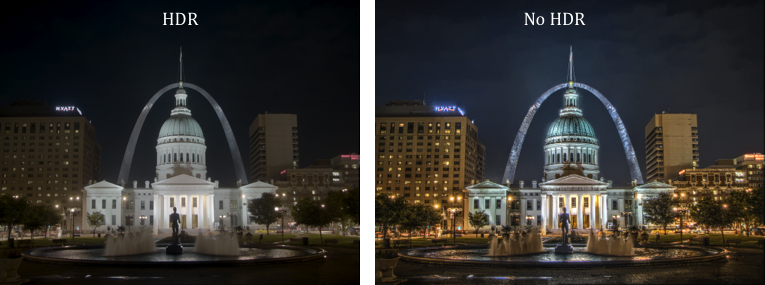
In order to obtain increased color depths and still increase the frame rate to 60Hz, more bandwidth is needed. In addition, a new feature known as HDR (High Dynamic Range) was also introduced, but only can be utilized with Deep Color resolution and bandwidth over the Rev 1.4, 10.2Gbps limits. The comparison in Fig 2 demonstrates the huge dynamic differences with and without HDR. This bandwidth area is supported as HDMI Rev 2.0a
Fig 2
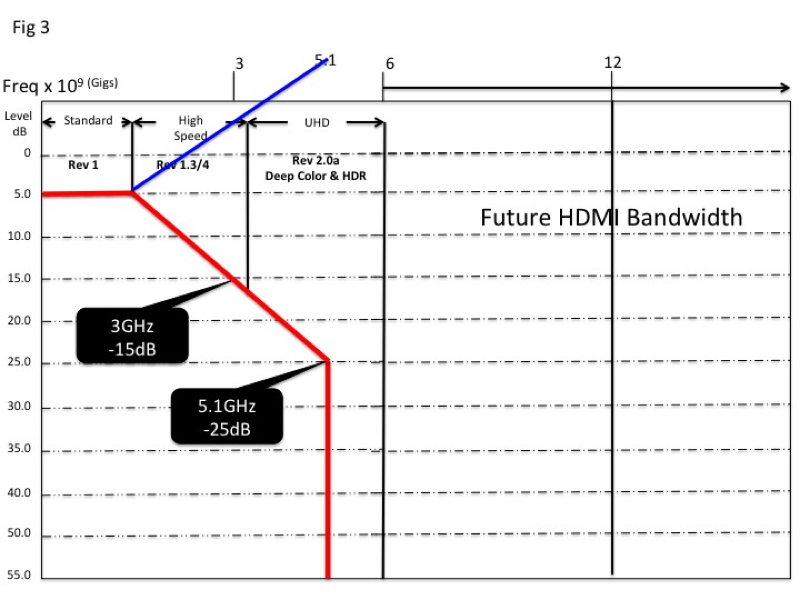
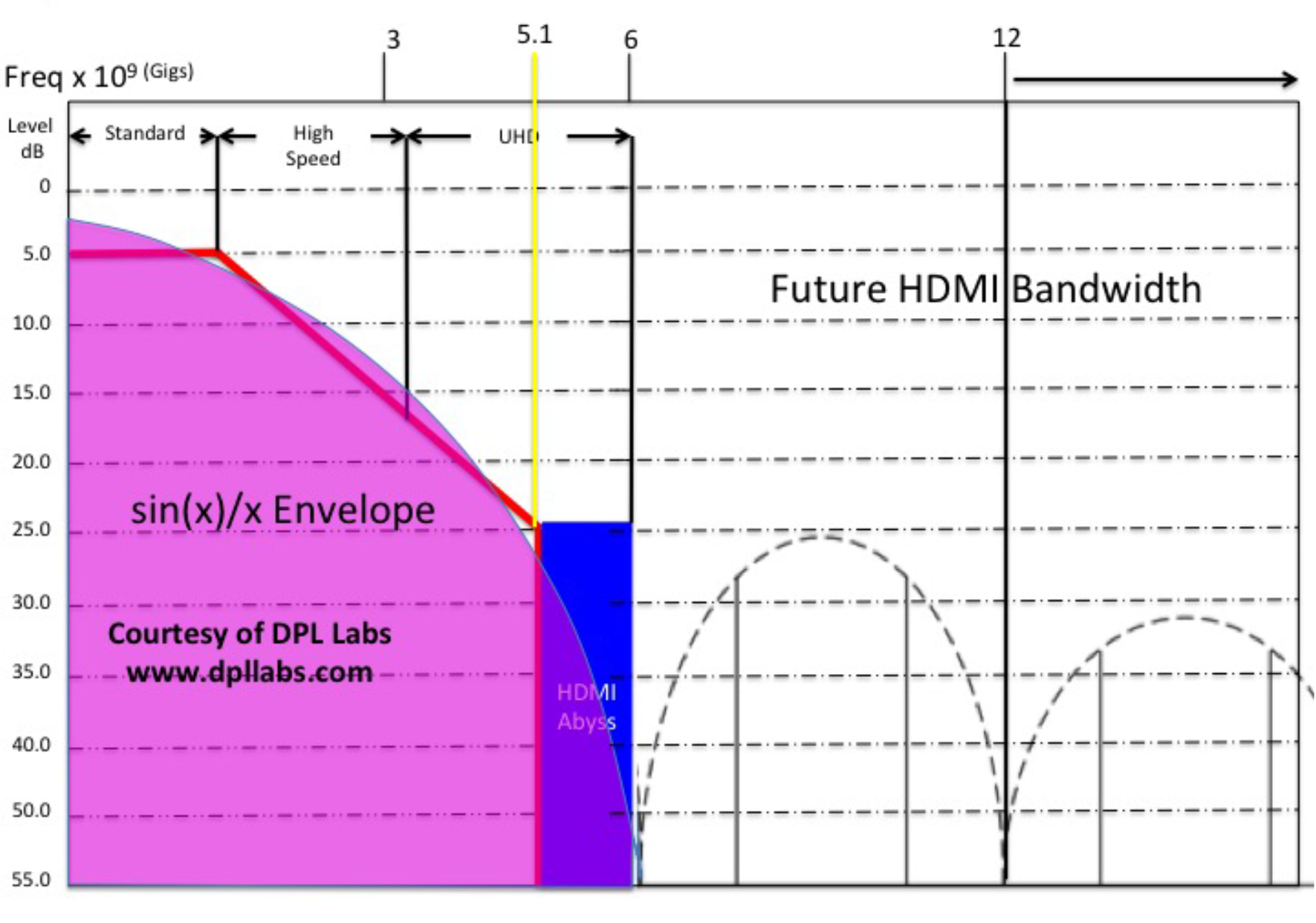
To give you an example of the new HDMI Rev 2.0 overall bandwidth, draw your attention to Fig 3. The actual bandwidth begins at 300KHz and extends out to 6GHz. We broke down the bandwidth into three categories. “Standard”, “High Speed” and “UHD” (which is a name we will call this area since the specification does not recognize it).
Fig 3
The red line depicts HDMI’s minimum insertion loss through an HDMI cable. As we approach the end of “Standard” and the beginning of “High Speed” the insertion loss falls dramatically at a somewhat linear rate, passing by the end of “High Speed” at 3.4GHz and stopping at 5.1GHz. Here the limit takes a vertical plunge down into the “HDMI Abyss” shown in blue, never reaching the upper bandwidth limit of 6GHz with better than 55dB of insertion loss. Notice the opposing blue line to the red insertion loss line. This demonstrates the correctional equalization system that is physically located in every HDMI input device, effectively compensating for the 25dB attenuation all the way out to 5.1GHz. But what happens to the signal lost in the “HDMI Abyss”?
The answer to this question is rather interesting and disappointing at the same time. The disappointment is that most companies do not know or understand this physical phoneme. Since we are dealing with digital information, the need to understand how these signals respond when being modulated over a transmission line must be considered.
Fig 4
When modulating this type of data, a particular trigonometric function sin(x)/(x) takes place which allows the signal to extend beyond 5.1GHz. The pink lobe in Fig 4 depicts the amount of energy produced from the fundamental 3.4GHz originally produced under HDMI Rev 1.4. The lobe extends through the “HDMI Abyss” to 6Ghz. The two additional lobes in the dashed line are what many would define as harmonics of the fundamental. Every lobe provides double the bandwidth.
This is why each HDMI Rev 1.4 High Speed cable must perform better than what the specification calls for. If cables are not constructed with near perfect perfection, the odds are sin(x)/(x) will not provide the necessary bandwidth to achieve full 4K Deep Color functionality.
LEARN MORE:
Learn more about 4K technologyHeimdall 2 4KValhalla 2 4K
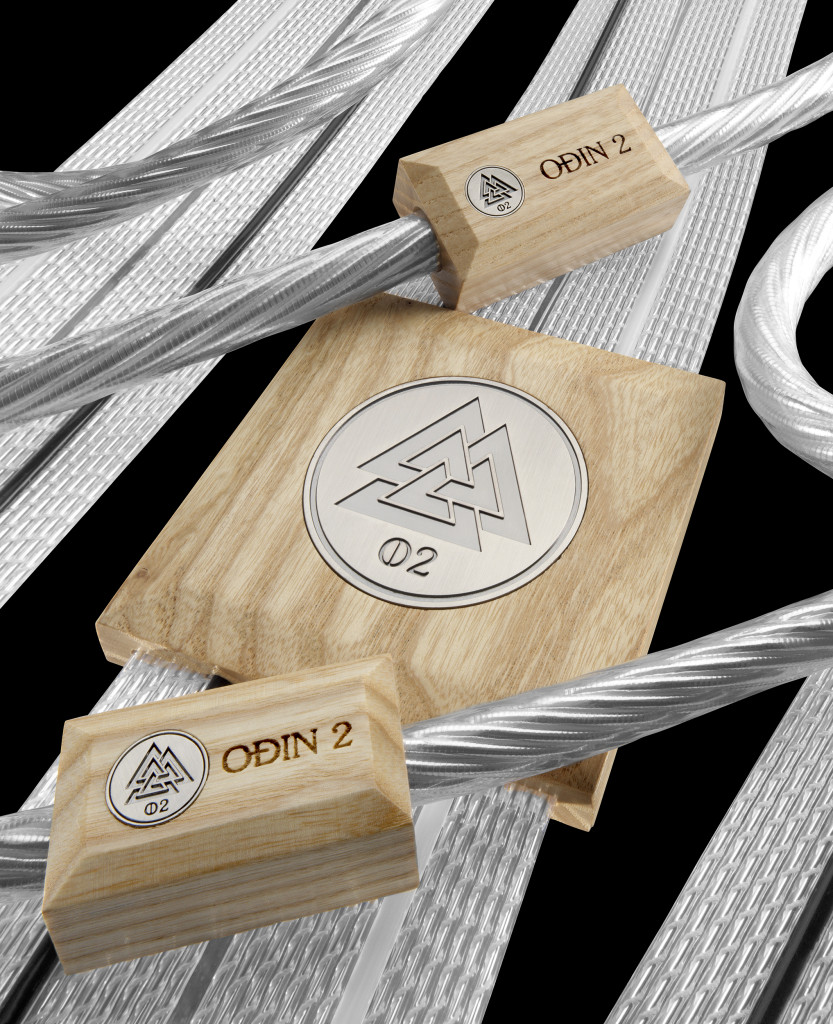
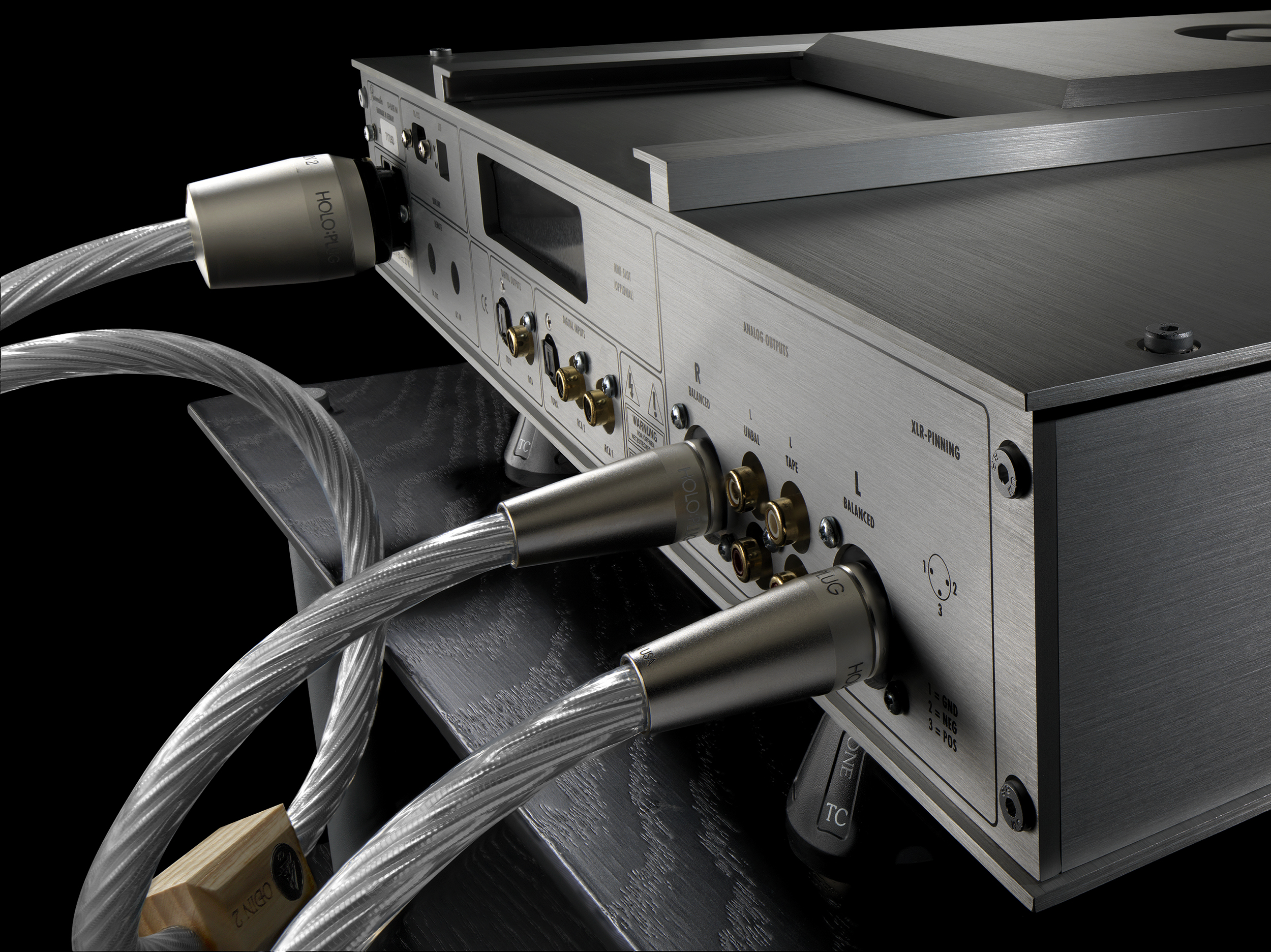
Yesterday, Nordost launched its newest Supreme Reference Series Odin 2 at High End 2015. The highly anticipated Odin 2 Range is truly the most exceptional hifi audio cable range in the consumer electronics market. After years of extensive research and development, the new Odin 2 Cables integrate all of the advancements in cable technology and procedures that Nordost has learned since the introduction of the first iteration of Odin nearly a decade ago. The new Odin 2 Range consists of analog, digital, and tonearm interconnects, as well as loudspeaker, bi-wire jumper and power cables. Each cable type uses Nordost’s patented Dual Mono-Filament process, revolutionary Total Signal Control technology, and innovative, proprietary HOLO:PLUG® connectors in order to ensure a transformative effect on hifi sound systems.
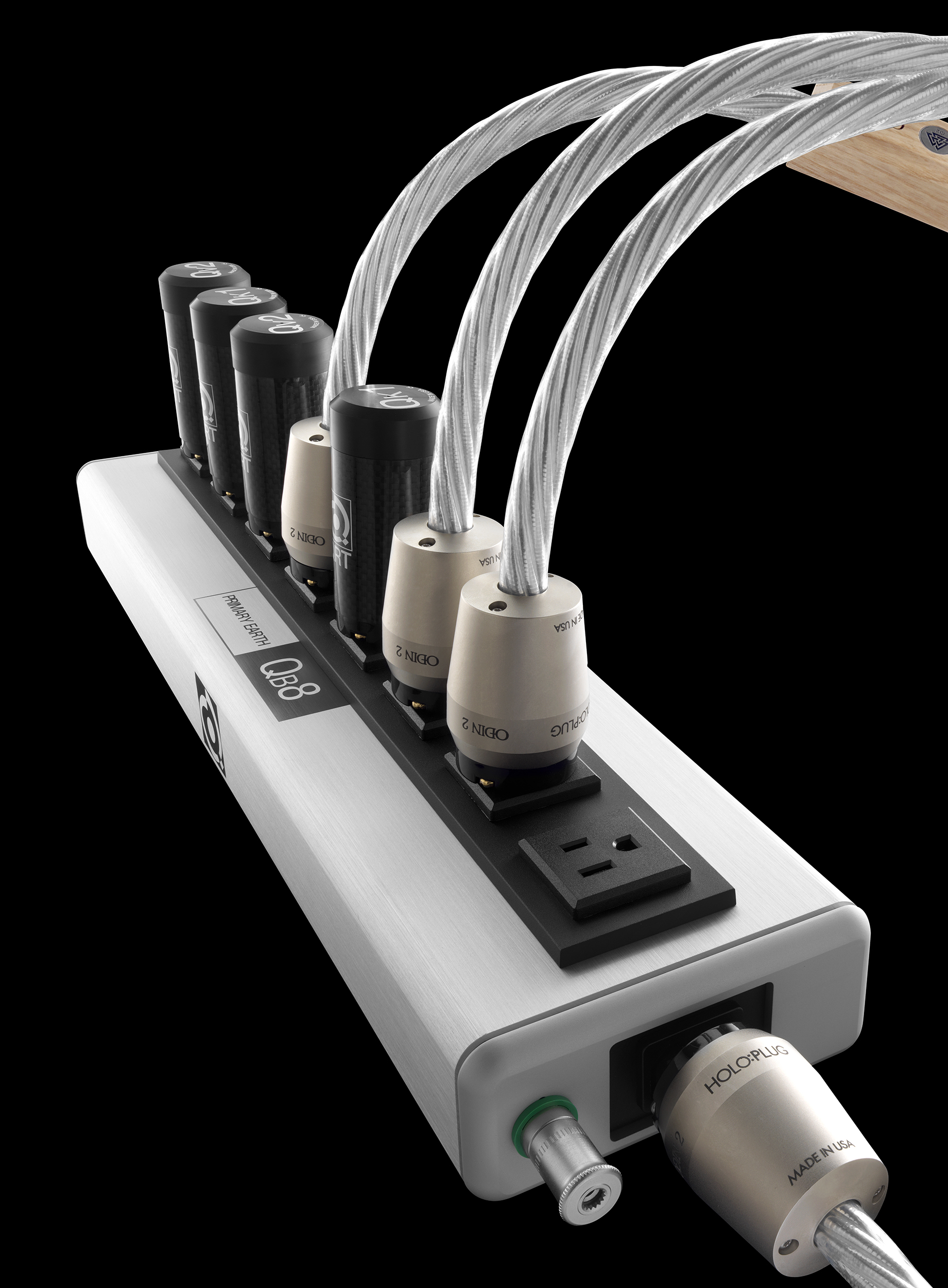
The Odin 2 Power Cord is constructed with seven silver-plated, close tolerance, 14 AWG 99.999999% oxygen free copper conductors. Nordost’s patented Dual Mono-Filament technology creates a virtual air dielectric between the extruded FEP insulation and each individual conductor. Nordost’s TSC technology is then carried throughout the cable and into its purpose-built, 100% shielded, HOLO:PLUG® connector. Odin 2 Power Cords are available with HOLO:PLUG® US (Nema), EU (Schuko), AUS or UK to Odin 2 HOLO:PLUG® IEC-C15 or IEC-C19 terminations.
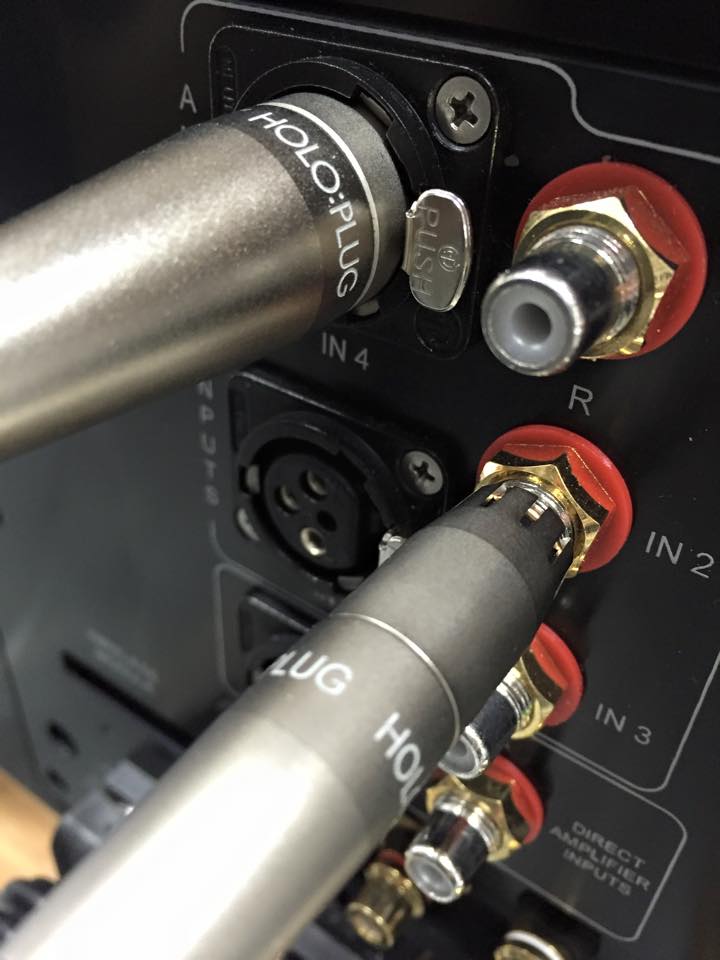
Odin 2 Analog Interconnects consist of ten silver-plated, 23 AWG 99.999999% OFC conductors, each utilizing proprietary Dual Mono-Filament technology and precise FEP extrusion. Odin 2 phono and balanced interconnects are also constructed using purpose built low mass, dual ring HOLO:PLUG® RCA or XLR connectors which reduce vibrations and eddy currents when mated to components.
For turntable users, Nordost has introduced a dedicated tonearm cable consisting of four silver-plated, solid core conductors wrapped in a patented Dual Mono-Filament suspension and protected by Nordost’s Total Signal Control technology. These four TSC tubes are precisely arranged around a dedicated ground wire. Odin 2 Tonearm Cables are terminated with customized, extremely low mass HOLO:PLUG® connectors, weighing less than half the mass of conventional Din connectors, including straight or 90º Din, XLR and RCA.
Odin 2 Digital Cables ensure the impedance matching necessary for S/PDIF and AES/EBU leads. The 75 Ohm cable consists of a single, co-axial, silver-plated, solid core conductor. The 110 Ohm cable is constructed with two silver-plated conductors placed in a twin-axial design. Both Odin 2 Digital Interconnects use Nordost’s patented Dual Mono-Filament and TSC technologies and are terminated with Nordost’s purpose-built XLR and BNC HOLO:PLUG® connectors, elevating these cables to a level never before achieved by digital leads. (The 75 Ohm S/PDIF digital cable is supplied with a gold plated BNC/RCA adapter)
Odin 2 Loudspeaker Cables use 26 silver-plated, solid core conductors. Each conductor takes advantage of Nordost’s Dual Mono-Filament technology and is encased in a high purity class 1.003 FEP extrusion. The conductors are carefully arranged and precisely spaced on either side of a hollow inner core in order to provide a perfect mechanical interface along the length of the cable. The Odin 2 Bi-Wire Jumper has an identical construction, making it the perfect extension to accommodate bi-wire speakers while maintaining a consistent sonic signature throughout an entire sound system. Both Odin 2 Loudspeaker and Bi-Wire Jumper Cables are terminated with Nordost’s gold-plated HOLO:PLUG® spade and Z-plug banana connectors to ensure maximum surface contact and signal transfer.
Joe Reynolds, President of Nordost, announces, “We are very excited about the launch of Odin 2, which is a major improvement over our flagship Odin cables. The introduction of our patented HOLO:PLUG® technology lifts this cable to a new pinnacle of performance. We have applied all of the knowledge we have acquired over many years of research and development to offer the most state-of-the-art cable solution possible.The response from our beta testers has been overwhelmingly positive, and we can’t wait to finally introduce Odin 2 into the market.”
Nordost’s newest addition to their Supreme Reference Series will unleash every facet of a live performance and allow listeners to fully immerse themselves in a complete and pure musical experience. Odin 2 doesn’t just set the standard; it blows the standards away.
Nordost is thrilled to be exhibiting at the High End 2015 show in Munich once again, held at the MOC Thursday, May 14 – Sunday, May 17. Every year, the High End show is a wonderful opportunity to show our customers the groundbreaking projects that we are working on. 2015 is no exception! Be sure to visit us in (Halle 4) Atrium 4, Room E114 to be the first to experience the truly astonishing advances that Nordost is bringing to the hifi audio market. As always, Nordost’s very own product trainers will be presenting product demonstrations and cable comparisons throughout the show. Join us in what will prove to be a very exciting and highly anticipated show for Nordost.
Nordost is pleased to be a part of AXPONA this year, held at the Westin O’hare in Chigago Friday, April 24—Sunday, April 26. This is a great opportunity for end users to experience live demonstrations and cable comparisons featuring Nordost’s extensive range of products. While at the show, make sure to our visit sales booth in the main exhibitor hall to take advantage of our special show offers on select Nordost products.
Nordost is lucky to have a wonderful team of representatives and product trainers who travel around the world educating and demonstrating the effects of Nordost’s products. As part of these demonstrations, it is our job to find an interesting and diverse selection of music to showcase our cables, power devices, sort system and accessories. Whether at shows, visiting our dealers and distributors or even in our own listening room in our headquarters in Holliston, we are constantly getting asked what music we are playing (or if our audience is not so bold to ask, we can see their Shazams working overtime). So we thought this would be a perfect opportunity to share our favorite songs of the moment. Some may be classics, some may be brand new, some may not even be to your taste, but one thing is for sure …it’s all great music.
Here are some of the songs that we will have on rotation this April.
We love being able to share live performance reviews from our friend Nelson Brill.
Here is a piece from his latest trip to Scullers Jazz Club in Boston.
JOEY DEFRANCESCO AND HIS TRIO AT SCULLERS JAZZ CLUB DELIVER “STONE GROOVES”
BY NELSON BRILL MARCH 1, 2015
If you don’t have a fireplace to gather around in this intense winter season, the next best thing might be to listen to the radiant sounds of Joey DeFrancesco’s classic Hammond B organ/Leslie speaker sound and let DeFrancesco’s soulful touch on this sensual, airy instrument heat you up to operating temperature. That’s what happened when DeFrancesco and his quartet descended on the intimate confines of Scullers Jazz Club (www.scullersjazz.com) in Cambridge, MA. on a frigid February 20, 2015 evening and brought the full house down with their intensely hot grooves. (The evening performance was broadcast live on radio station WGBH [www.wgbh.org) and mc’ed by local radio legend Eric Jackson and Sculler’s own Fred Taylor).
DeFrancesco called this an evening of “Stone Groove,” and from the first notes of his velvet-toned organ bass, the tenacious groove was on. DeFrancesco was joined in this buoyant romp by the stellar young talents of Dan Wilson on guitar, Jason Brown on drums and Mike Boone on acoustic and electric bass. With DeFrancesco at the helm, (checking on each member of his sympathetic band with smiles and knowing glances from behind his keyboard), the music was fierce and flowing with an exuberant heat that never let up.
The blues (fast and furious or slow brewing) were in ample evidence up and down the band’s hot chart for this “Stone Groove” evening at Scullers.
When DeFrancesco manned his organ, it was all blues at a furious pace. DeFrancesco displayed a love for little quips of short high or low organ notes – a little elegant chatter- that led into cascades of runs and dynamic contrasts between soft/loud and major/minor keys. All of this delight was condensed and squeezed into a luscious flow of organ warmth and airy sounds. Wilson’s guitar ran alongside this organ bluster with a sparkling, elegant sound that punctuated DeFrancesco’s creative pounces.
Brown was a humming engine through out on his drum kit, with a great feel for a dampened snare that crackled with splintered light next to the organ’s contrasting plush and velvety tones. At one point, Brown and bassist Boone held a comic little tete a tete in which drum and bass held to a swanky groove, with lots of comic starts and stops. All of this action was to the delight of DeFrancesco, who encouraged the duo to just “keep walking!” (The duet reminded of the radiant swaying blues heard on DeFrancesco’s great version of Ray Charles’ swanky “I’ve Got A Woman” from his superb self titled 2011 recording on HighNote Records).
DeFrancesco also did some elegant walking himself on trumpet (using a treasured mute from Miles Davis, his old comrade in blues arms).
DeFrancesco’s trumpet echoed his ebullient style on organ – little niches of complex notes and runs; interstitial spaces of silences and sharp corners – all adding up to an opulent feast of metallic tones and colors.
As an added treat, DeFrancesco invited up to the stage Trent Austin, a trumpeter from Redding, MA. (who also makes custom trumpets and mouthpieces-www.austincustombrass.com). DeFrancesco and Austin carved up a blues number with Austin’s exuberant trumpet sailing high above DeFrancesco’s surging organ and Wilson’s fleet footed guitar. The fireworks continued with an encore that brought all the funk and groove to a full throttled apex. DeFrancesco pulled out all the [organ] stops by pelted out huge chords and blasts of gleeful running notes while the rest of the band grooved alongside him with a pulse that had the audience dancing in the aisles.
After this inspiring performance at Scullers, a return home to listen to more bright and gutsy Hammond organ recordings found the legendary organist Jimmy Smith in fine form. A superb audiophile gem of Smith’s is his Organ Grinder Swing [Verve], (especially if you can find the original or Japanese pressing version on vinyl!).
With a dream team of Kenny Burrell on guitar and Grady Tate on drums, Smith takes the Old English classic “Greensleeves” and turns this chestnut into a thicket of funky and propulsive sounds raw and vital- foreshadowing DeFrancesco’s own genius. (Keep your ears out too for Burrell’s soulful guitar on the slow brewing “Oh, No, Babe” and Tate’s fastidious snare/cymbal groove on “Blues For J”).
And, of course, there is the dynamic Bruce Katz, a bostonconcertreviews favorite, (both in his live local performances and his great recordings), springing on us his latest release, Homecoming [American Showplace Music]. Here’s Katz and his sterling band delivering their hard-nosed mix of rock, blues and prankish adventure (in the company of many fine guests, including vocals from John Hammond), with Katz’s fiery Hammond B (and crisp piano swing) up front and gloriously personal.
Finally, looking into the future of young Hammond organ players, one finds the vivacious Kevin Coelho, a player with a lot of funk on his mind (and the soulful tone and technique on the Hammond to get right to it).
On his boisterous and funky recording, Turn It Up [Chicken Coup Records], Coelho is joined by guitarist Derek DiCenzo and drummer Reggie Jackson and this trio tackles everything from Jimmy Smith to Lennon and McCartney to Coelho’s swinging original tunes- all with verve and a tightly focused sound that is captured on a recording with great image dimensionality and presence.
The velvet glove of the Hammond organ sound (ready to pounce with great funk and creative swing at a moment’s notice) is certainly in good hands!
Nordost is lucky to have a wonderful team of representatives and product trainers who travel around the world educating and demonstrating the effects of Nordost’s products. As part of these demonstrations, it is our job to find an interesting and diverse selection of music to showcase our cables, power devices, sort system and accessories. Whether at shows, visiting our dealers and distributors or even in our own listening room in our headquarters in Holliston, we are constantly getting asked what music we are playing (or if our audience is not so bold to ask, we can see their Shazams working overtime). So we thought this would be a perfect opportunity to share our favorite songs of the moment. Some may be classics, some may be brand new, some may not even be to your taste, but one thing is for sure …it’s all great music.
Here are some of the songs that we will have on rotation this March.
Ave Maria—Franz Schubert, Andrea Bocelli, Vladimir Fedoseyev, Moscow Radio Symphony Orchestra, Victor Popov, Academy Of Choir Art Of Russia—Viaggio Italiano


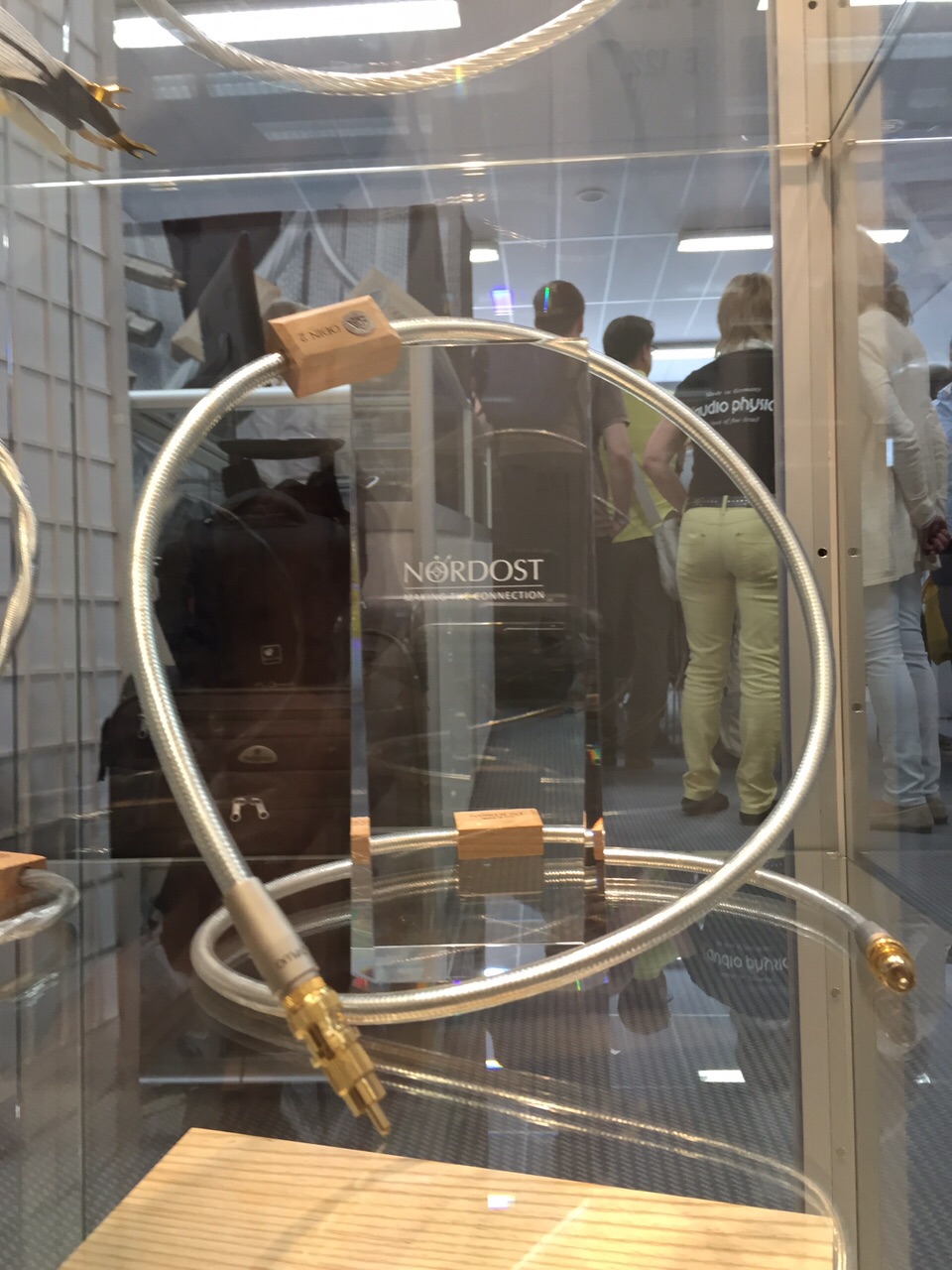
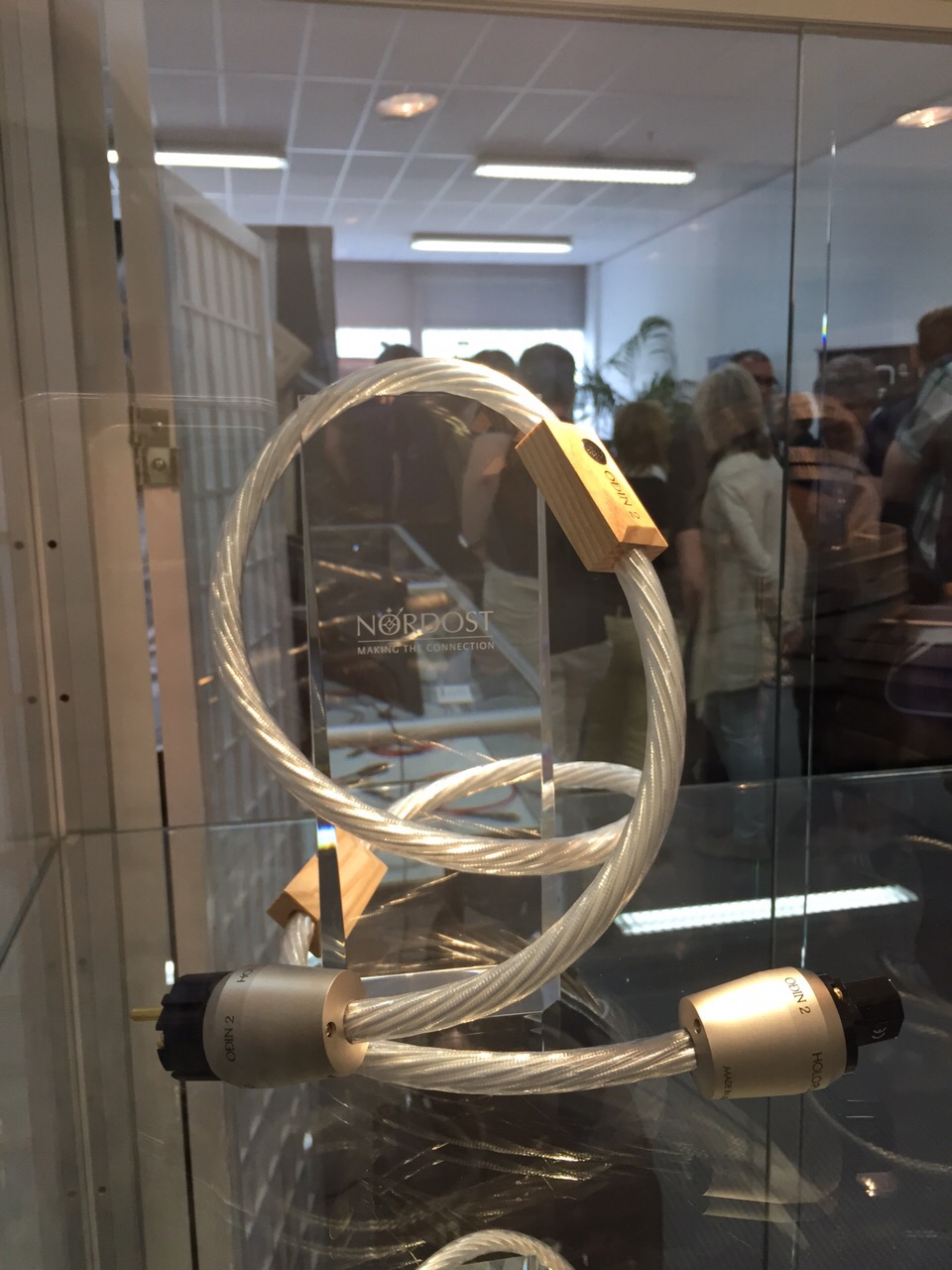
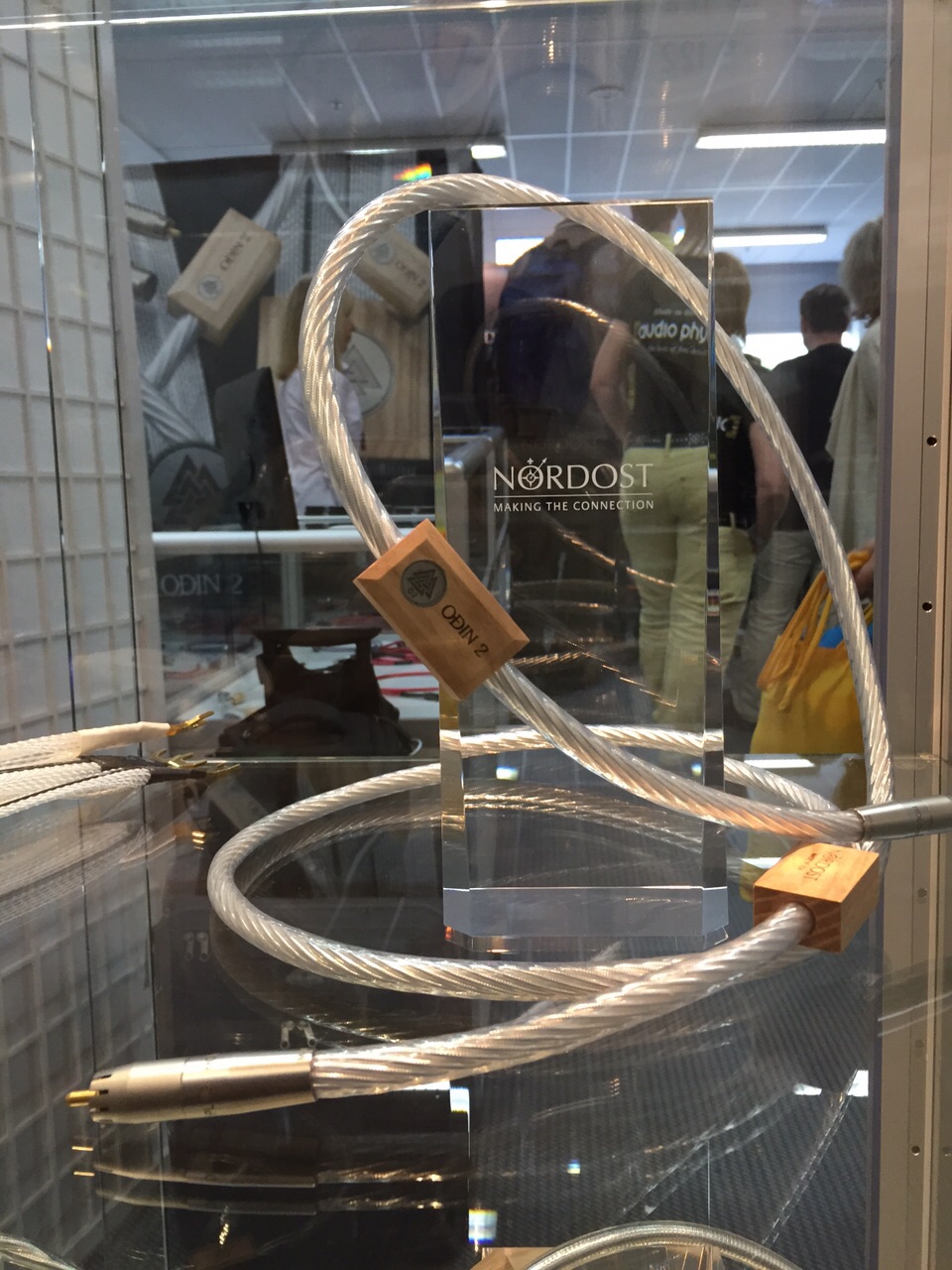
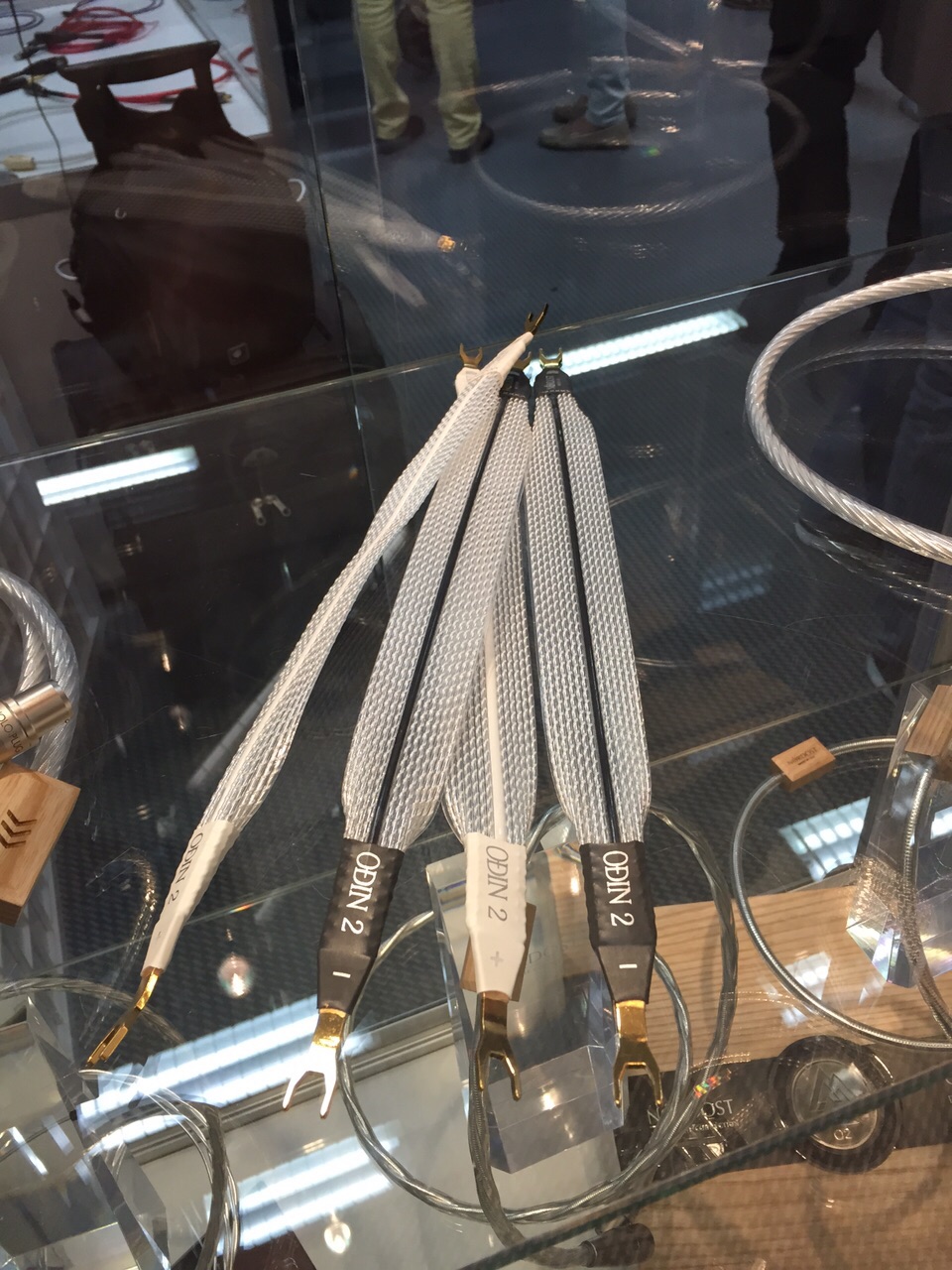




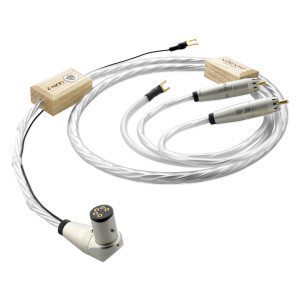 For turntable users, Nordost has introduced a dedicated tonearm cable consisting of four silver-plated, solid core conductors wrapped in a patented Dual Mono-Filament suspension and protected by Nordost’s Total Signal Control technology. These four TSC tubes are precisely arranged around a dedicated ground wire. Odin 2 Tonearm Cables are terminated with customized, extremely low mass HOLO:PLUG® connectors, weighing less than half the mass of conventional Din connectors, including straight or 90º Din, XLR and RCA.